BJP's Nitin Nabin cites 49.3 crore poverty exit, 13.4 crore jobs under Modi
Synopsis
BJP National President Nitin Nabin posted a sweeping set of development figures on X, claiming 49.3 crore Indians exited poverty between 2011 and 2023 and extreme poverty collapsed from 27.1% to 2.3% — framing it as the most tangible proof of the Modi government's Antyodaya-driven agenda ahead of the Viksit Bharat 2047 push.
Key Takeaways
BJP National President Nitin Nabin shared development data on X on 31 October , crediting the Modi government with rapid poverty reduction.
Approximately 49.3 crore people moved out of poverty between 2011 and 2023 , according to the cited data.
Extreme poverty fell from 27.1% in 2011 to 2.3% in 2023.
13.4 crore new jobs were added between 2017 and 2023 , partly driven by rural women entering paid work.
Welfare milestones include 4 crore pucca houses , 60 crore Ayushman Bharat beneficiaries, and over ₹53 lakh crore disbursed via DBT .
99% household electricity coverage recorded in the 2022 survey , with faster rural gains narrowing the urban-rural gap.
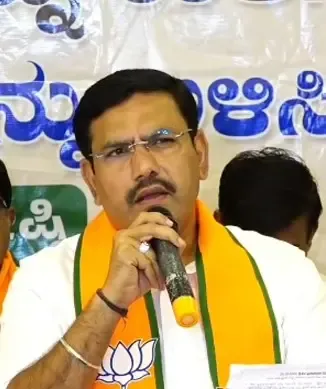
Bharatiya Janata Party (BJP) National President Nitin Nabin on Saturday, 31 October shared a detailed set of development indicators on social media platform X, crediting the Narendra Modi-led Union government with one of the fastest poverty reductions recorded globally and significant gains in employment, welfare delivery, and household infrastructure.
Poverty Decline: The Numbers
According to data cited by Nabin, approximately 49.3 crore people moved out of poverty in India between 2011 and 2023. Extreme poverty, which stood at 27.1% in 2011, fell sharply to 2.3% by 2023 — a decline of nearly 25 percentage points over twelve years. Nabin described this trajectory as evidence of what he called the spirit of Antyodaya — a philosophy of prioritising the most marginalised — guiding the government's development agenda.
In his post, Nabin wrote: 'Bharat's progress is reflected in lives transformed and opportunities created! Under the leadership of PM Modi, the spirit of Antyodaya continues to guide our agenda of inclusive development, ensuring that the benefits of growth reach the last person in the queue and accelerating Bharat's journey towards Viksit Bharat @ 2047.'
Employment and Women's Workforce Participation
The data further indicated that 13.4 crore new jobs were added between 2017 and 2023 — reportedly nearly twice the growth in the working-age population during the same period. A significant share of this increase, according to Nabin, was driven by rural women entering paid employment, adding new earners to households that previously had fewer income sources. Critics, however, have in the past questioned the quality and formality of jobs counted in such aggregate figures, and independent assessments of employment data have at times differed from government-cited numbers.
Welfare Scheme Delivery
Nabin highlighted several flagship programme outcomes. According to the figures he shared:
— Over 4 crore pucca houses have been constructed under the Pradhan Mantri Awas Yojana.
— 3 crore women have been designated 'Lakhpati Didis' under a skill and income programme.
— 60 crore citizens are covered under the Ayushman Bharat health insurance scheme.
— 10 crore Ujjwala gas connections have been distributed to households.
— 32 crore Jan Dhan accounts have been opened under the financial inclusion drive.
— More than ₹53 lakh crore has been transferred directly to beneficiaries through the Direct Benefit Transfer (DBT) mechanism.
Electricity Access
On household electrification, the data cited by Nabin showed that 99% of households were covered as of a 2022 survey. Both rural and urban areas recorded gains, with rural India reportedly making faster progress, helping narrow the longstanding rural-urban divide in basic infrastructure access.
Context and What Comes Next
The data-sharing exercise comes as India's ruling establishment continues to build a narrative around Viksit Bharat by 2047 — the government's stated goal of achieving developed-nation status by the centenary of independence. Notably, several of the statistics cited — particularly the poverty figures — draw on multidimensional poverty index methodologies, which measure deprivation across health, education, and living standards rather than income alone. The framing underscores the BJP's intent to make inclusive development a central electoral and policy message ahead of upcoming state and national cycles. Independent verification of the full dataset and its methodological basis remains important context for assessing these figures.
Point of View
Which are broader than income-based measures and can show steeper declines without necessarily reflecting equivalent gains in household purchasing power. The jobs count of 13.4 crore has also been contested by independent labour economists who flag the dominance of informal, self-employed, and part-time work in the aggregate. What is undeniable is the scale of welfare infrastructure built — DBT, Jan Dhan, Ujjwala — but the leap from scheme coverage to sustained income mobility is one that the data, as presented, does not fully bridge. The Viksit Bharat 2047 framing is as much political architecture as policy roadmap, and the credibility of that project will ultimately rest on whether poverty exit translates into durable middle-class formation rather than subsistence-level uplift.
NationPress
31 Oct 2026
Frequently Asked Questions
How many people exited poverty in India between 2011 and 2023?
According to data cited by BJP National President Nitin Nabin, approximately 49.3 crore people moved out of poverty in India between 2011 and 2023. Extreme poverty fell from 27.1% to 2.3% over the same period, based on multidimensional poverty index estimates.
What is Viksit Bharat 2047 and why is it relevant here?
Viksit Bharat 2047 is the Modi government's stated goal of achieving developed-nation status by the centenary of Indian independence. Nabin's data-sharing exercise is part of the ruling party's effort to frame current welfare and growth outcomes as milestones on that journey.
How many jobs were added under the Modi government between 2017 and 2023?
The data cited by Nabin indicates 13.4 crore new jobs were added between 2017 and 2023, reportedly nearly twice the rise in the working-age population. A significant share of this increase reportedly came from rural women entering paid employment.
What are the key welfare scheme numbers highlighted by Nitin Nabin?
Nabin cited over 4 crore pucca houses built under Pradhan Mantri Awas Yojana, 60 crore citizens covered under Ayushman Bharat, 10 crore Ujjwala gas connections, 32 crore Jan Dhan accounts opened, and more than ₹53 lakh crore transferred via Direct Benefit Transfer.
What is the current household electricity coverage in India?
According to a 2022 survey cited in the data shared by Nabin, 99% of Indian households have electricity access. Rural areas recorded faster progress, helping narrow the gap with urban coverage.