BPCL seeks ₹633 crore monthly LPG compensation amid West Asia crisis
Synopsis
BPCL is seeking ₹633 crore a month from the Centre to cover LPG losses — and the broader industry bill has already crossed ₹51,000 crore. With the Strait of Hormuz choked by the Iran-US conflict and Brent prices swinging wildly, India's state oil firms are caught between global energy chaos and domestic price caps they cannot afford to lift.
Key Takeaways
BPCL expects ₹633 crore per month in government compensation for LPG under-recoveries through October 2026 .
BPCL's LPG compensation buffer stood at ₹15,804 crore as of 30 June 2026 , including a ₹7,594 crore adjustment.
Total LPG under-recovery across public sector oil companies exceeded ₹51,000 crore as of 30 June 2026 , per government data.
Non- Ujjwala consumers received an implied subsidy of over ₹500 per 14.2-kg cylinder in July 2026 .
The West Asia conflict has disrupted the Strait of Hormuz , through which 20% of global oil and gas exports transit, driving up crude prices.
Minister of State Suresh Gopi told Parliament the geopolitical situation remains 'highly volatile' with no near-term resolution in sight.
Bharat Petroleum Corporation Ltd. (BPCL) is in active talks with the Centre to secure compensation for mounting under-recoveries on domestic LPG (Liquefied Petroleum Gas) sales, with the state-run oil major expecting a payout of ₹633 crore per month through October 2026, according to a company statement cited in reports on Tuesday, 28 July. The negotiations come as the ongoing West Asia conflict continues to squeeze global energy supplies and push crude prices higher.
Scale of the Under-Recovery Problem
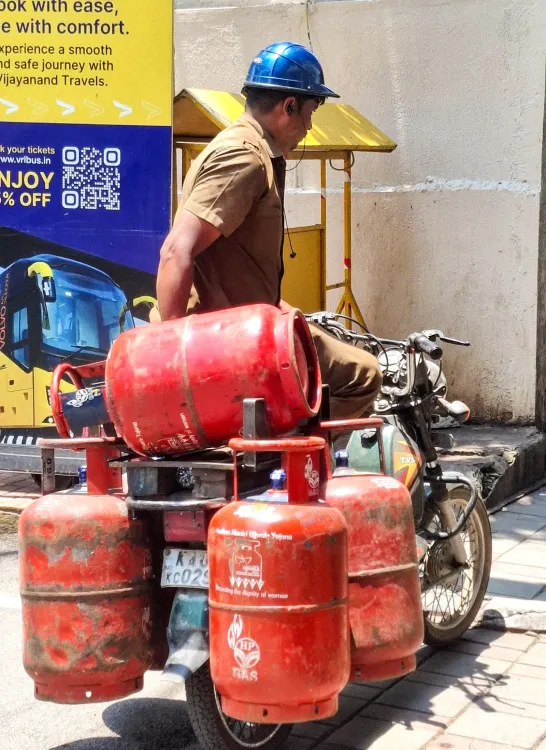
BPCL's LPG compensation buffer stood at ₹15,804 crore as of 30 June 2026, a figure that already incorporates an adjustment of ₹7,594 crore. The company has expressed confidence that the government will continue its compensation mechanisms, citing precedent from earlier subsidy cycles. BPCL has been selling domestic LPG, petrol, and diesel below prevailing market prices, absorbing losses that it argues cannot be sustained without sovereign backing.
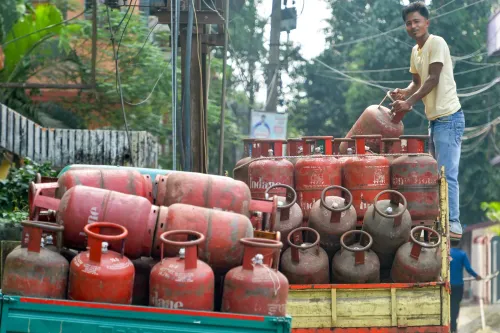
The broader picture is starker: the Centre told the Lok Sabha on 23 July 2026 that the cumulative under-recovery on domestic LPG sales by all public sector oil marketing companies had crossed ₹51,000 crore as of 30 June 2026. In July, non-Ujjwala consumers were receiving an implied subsidy of more than ₹500 per 14.2-kg LPG cylinder.
West Asia Crisis and the Strait of Hormuz Factor
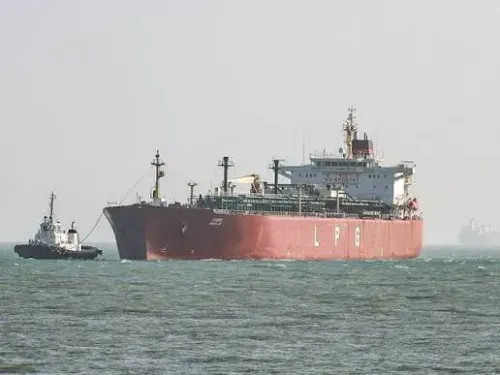
The trigger for the surge in under-recoveries is the intensifying conflict between Iran and the United States in West Asia, which has effectively choked the Strait of Hormuz — a critical maritime chokepoint through which roughly 20 per cent of the world's oil and gas exports pass under normal conditions. The disruption has sent global crude and gas prices sharply higher, widening the gap between what state oil firms pay for supply and what they charge consumers.
Minister of State for Petroleum and Natural Gas Suresh Gopi, in a written reply to the Lok Sabha, noted that Brent oil prices 'continue to heavily fluctuate and have increased again.' He added that the West Asia crisis 'has not abated and the resultant geopolitical situation is highly volatile,' signalling that relief on the supply side remains uncertain.
Government's Position and Past Practices
The Centre acknowledged in Parliament that public sector oil marketing companies are under 'a lot of pressure' due to elevated crude prices and persistent LPG under-recoveries. BPCL is banking on the government extending compensation in line with past practice, when the Centre periodically stepped in to offset losses borne by state-run fuel retailers. This is not the first time BPCL has sought such relief — similar compensation discussions took place during earlier crude price spikes, including the post-pandemic supply crunch of 2021–22.
What This Means for Consumers and the Sector
For now, domestic LPG prices remain capped, shielding households — particularly Ujjwala beneficiaries — from the full impact of global price volatility. However, the widening subsidy burden raises questions about the fiscal sustainability of price controls if the West Asia situation prolongs. Industry observers note that without a resolution to the Hormuz disruption or a correction in crude prices, the government's subsidy outgo could climb further in the second half of 2026.
Point of View
000 crore industrywide under-recovery tells the real story of how badly India's price-cap policy is bleeding state oil firms. The Centre's reluctance to pass on global prices to consumers is understandable ahead of state elections, but the fiscal math is deteriorating fast. If the Hormuz disruption extends into Q4 2026, the compensation bill could dwarf anything seen since the 2022 fuel crisis. What's missing from the official narrative is any credible plan to either hedge crude exposure or calibrate a phased price correction — leaving BPCL and its peers in a structural bind that goodwill from Parliament cannot fix.
NationPress
28 Jul 2026
Frequently Asked Questions
Why is BPCL seeking ₹633 crore per month from the government?
BPCL is seeking ₹633 crore monthly to offset losses from selling domestic LPG below market prices — a gap that has widened sharply due to the West Asia conflict disrupting global oil supply. The company is in talks with the Centre for compensation through October 2026.
What is the total LPG under-recovery for public sector oil companies?
As of 30 June 2026, the cumulative under-recovery on domestic LPG sales by all public sector oil marketing companies had crossed ₹51,000 crore, according to data shared by the government in the Lok Sabha on 23 July 2026.
How has the West Asia conflict affected LPG prices in India?
The Iran-US conflict has disrupted traffic through the Strait of Hormuz, through which about 20% of global oil and gas exports pass, causing a spike in global crude and gas prices. This has widened the gap between India's capped domestic LPG prices and actual market costs.
Are domestic LPG prices likely to rise for consumers?
Domestic LPG prices remain capped for now, with non-Ujjwala consumers receiving an implied subsidy of over ₹500 per 14.2-kg cylinder in July 2026. Whether prices will be revised depends on how long the West Asia crisis persists and the government's fiscal appetite for continued subsidies.
What has the government said about oil company losses?
Minister of State for Petroleum and Natural Gas Suresh Gopi told the Lok Sabha that Brent prices 'continue to heavily fluctuate' and the West Asia crisis 'has not abated,' acknowledging that public sector oil companies are under significant financial pressure from high crude prices and LPG under-recoveries.