BRICS Agriculture Ministers meet in Indore June 9-13, focus on small farmers and food security
Synopsis
Indore becomes the centre of global agricultural diplomacy as BRICS Agriculture Ministers converge from 9-13 June under India's presidency. With BRICS nations home to 70 per cent of the world's 580 million farmers and controlling 42 per cent of global farmland, the stakes for the joint declaration — covering food security, climate resilience, and smallholder empowerment — extend well beyond the conference hall.
Key Takeaways
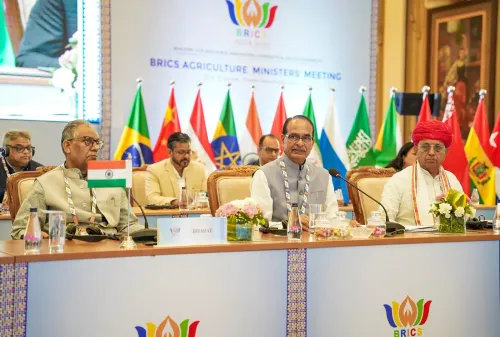
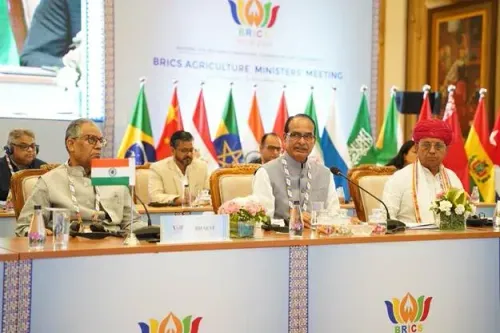
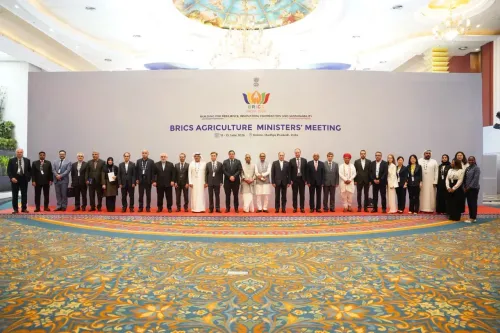
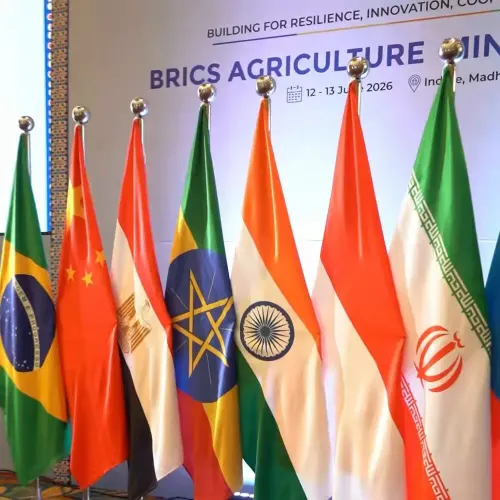
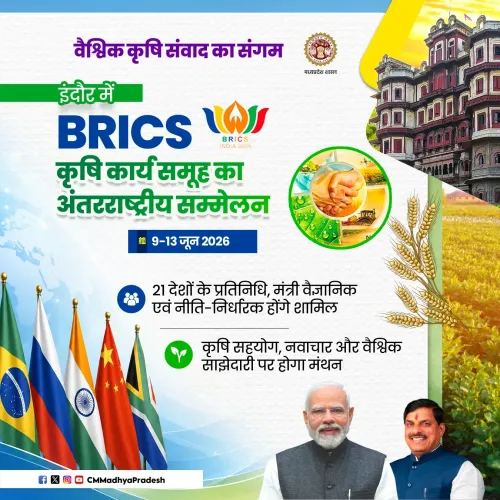
Indore, Madhya Pradesh hosts the BRICS Agriculture Working Group meeting and Agriculture Ministers' Conference from 9 to 13 June .
BRICS nations account for 42 per cent of global agricultural land and over 42 per cent of global agricultural production.
Nearly 70 per cent of the world's 580 million farmers — mostly small and marginal — live in BRICS countries.
A special session on 'Future Food Security through Women and Youth' is scheduled for 12 June .
India has generated 9.80 crore farmer IDs and expanded the Agriculture Infrastructure Fund to ₹2 lakh crore .
The conference will conclude with a joint declaration on 13 June .
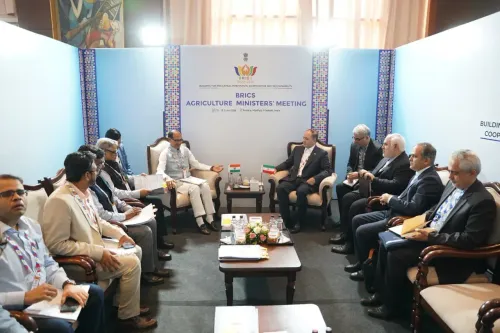
Indore is set to host the BRICS Agriculture Working Group meeting and the BRICS Agriculture Ministers' Conference from 9 to 13 June, as India holds the presidency of the grouping. The five-day event, held in Madhya Pradesh, will bring together senior officials and ministers from BRICS nations to deliberate on some of the most pressing challenges facing global agriculture today.
Key Priorities on the Agenda
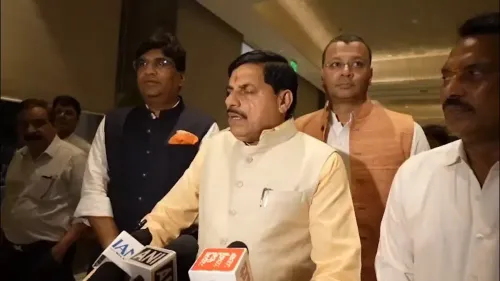
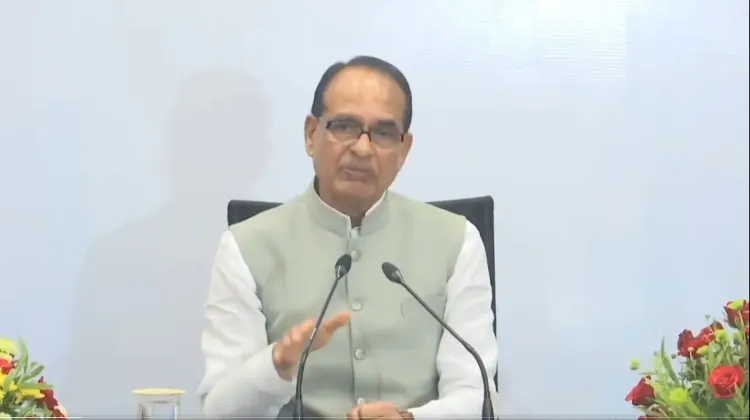
Union Minister for Agriculture and Farmers Welfare Shivraj Singh Chouhan outlined four core priorities for the Agriculture Working Group: food security and nutrition, agricultural trade and cooperation, climate-resilient and sustainable agriculture, and partnerships in innovation and research. Chouhan, addressing reporters in Bhopal, described the event as a proud moment for both India and Madhya Pradesh.
Official-level meetings are scheduled from 9 to 11 June, followed by the ministerial-level conference on 12 and 13 June, culminating in a joint declaration. A special session themed 'Future Food Security through Women and Youth' is slated for 12 June, recognising the critical role of women in agriculture and youth in technology adoption.
Why BRICS Agriculture Dialogue Matters
BRICS nations collectively account for 42 per cent of global agricultural land and more than 42 per cent of global agricultural production. Notably, nearly 70 per cent of the world's 580 million farmers — the majority of them small and marginal — reside in BRICS countries. This concentration makes the bloc's agricultural cooperation framework a significant lever for global food security outcomes.
The BRICS Agricultural Research Platform, established in 2016 during India's earlier presidency, will be further strengthened through the discussions, deepening research and technical cooperation among member states.
Challenges Driving the Discussions
Chouhan flagged several structural challenges expected to dominate the deliberations, including the impact of climate change, erratic weather patterns, and food waste — estimated at nearly one billion tonnes annually. Limited access to resources for small and marginal farmers remains a persistent concern across BRICS economies.
Discussions are expected to cover regenerative farming practices, improvements in storage and supply chains, market connectivity for smallholders, and the promotion of allied sectors such as animal husbandry and fisheries to supplement farmer incomes.
India's Domestic Agricultural Initiatives in Focus
India is expected to highlight its domestic progress during the meetings. The country has generated 9.80 crore farmer IDs and expanded the Agriculture Infrastructure Fund to ₹2 lakh crore, aimed at building stronger post-harvest infrastructure. These initiatives are likely to be presented as models for broader BRICS-level cooperation.
Cultural Outreach for Delegates
Beyond the conference rooms, delegates will be taken on curated visits to Indore and Madhya Pradesh's cultural landmarks, including Rajwada, 56 Dukan, and the historic site of Mandu, offering a window into the region's heritage alongside the diplomatic proceedings.
With the ministerial conference concluding on 13 June, the joint declaration expected at the close of the event will signal the bloc's collective direction on agricultural policy for the near term.
Point of View
But the substance of the agenda is harder to dismiss. BRICS collectively houses the bulk of the world's smallholder farmers, yet intra-bloc agricultural trade and research cooperation have historically underperformed the grouping's economic weight. The real test of this ministerial meeting will be whether the joint declaration moves beyond aspirational language on climate resilience and food security to binding cooperation frameworks with measurable outcomes. India's showcase of its ₹2 lakh crore Agriculture Infrastructure Fund is a credible domestic data point, but translating that into a replicable BRICS model requires institutional architecture that does not yet fully exist.
NationPress
16 Sept 2026
Frequently Asked Questions
Where and when is the BRICS Agriculture Ministers' meeting being held?
The BRICS Agriculture Working Group meeting and Agriculture Ministers' Conference is being held in Indore, Madhya Pradesh, from 9 to 13 June, under India's presidency of the BRICS grouping. Official-level meetings run from 9 to 11 June, with ministerial sessions on 12 and 13 June.
What are the key issues on the agenda at the Indore BRICS agriculture meeting?
The four core priorities are food security and nutrition, agricultural trade and cooperation, climate-resilient and sustainable agriculture, and partnerships in innovation and research. Discussions will also cover food waste, regenerative farming, supply chain improvements, and support for small and marginal farmers.
Why does the BRICS agriculture dialogue matter for global food security?
BRICS nations account for 42 per cent of global agricultural land and over 42 per cent of global agricultural production. Nearly 70 per cent of the world's 580 million farmers — mostly small and marginal — live in BRICS countries, making the bloc's collective agricultural policy a major determinant of global food outcomes.
What is the special session planned for 12 June at the BRICS conference?
A special session on the theme 'Future Food Security through Women and Youth' is scheduled for 12 June. It aims to highlight the critical role of women in the agricultural workforce and the importance of youth in adopting new agricultural technologies.
What domestic agricultural initiatives is India expected to highlight at the BRICS meeting?
India is expected to showcase its generation of 9.80 crore farmer IDs and the expansion of the Agriculture Infrastructure Fund to ₹2 lakh crore, focused on post-harvest infrastructure. These are likely to be presented as potential models for broader BRICS-level cooperation.