Shivraj Singh Chouhan concludes 16th BRICS Agriculture Meet in Indore
Synopsis
Union Agriculture Minister Shivraj Singh Chouhan chaired the 16th BRICS Agriculture Conference in Indore on 13 June 2026, where member nations unanimously adopted the 'Indore Declaration' and agreed to establish three new multilateral networks on agroecology, digital agriculture, and farmers' rights in seed systems.
Key Takeaways
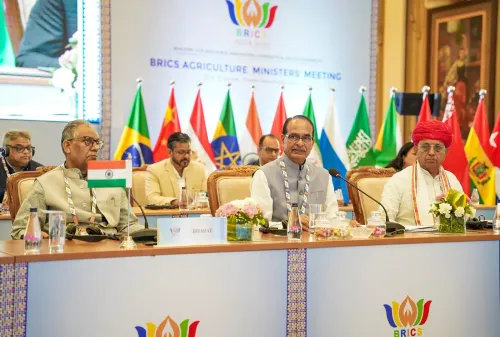
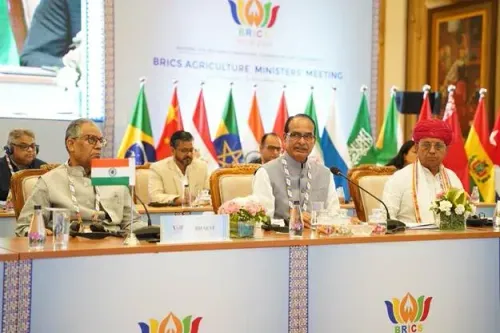
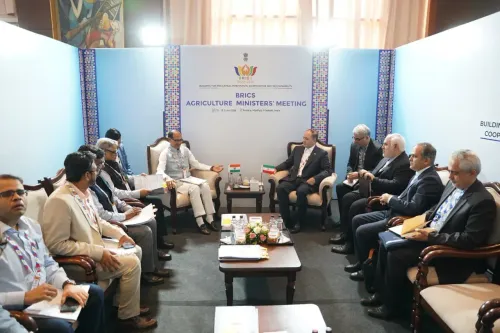
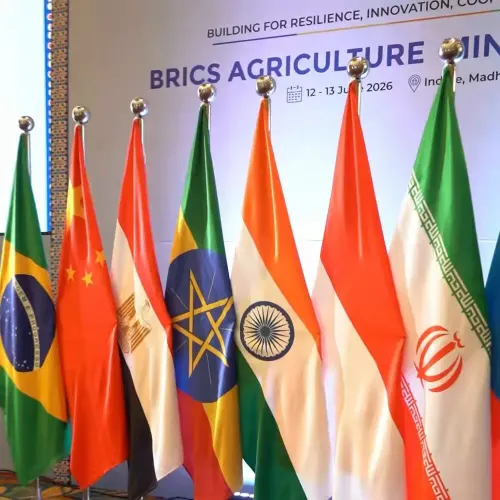
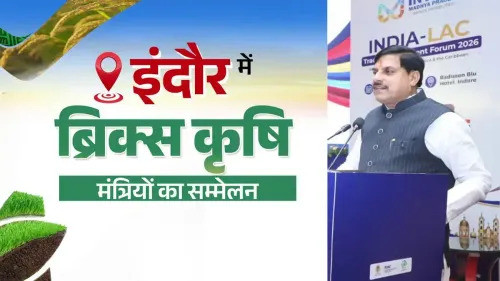
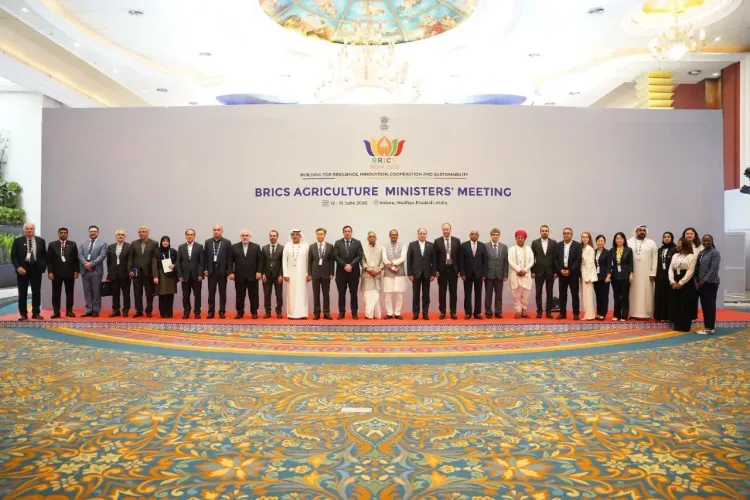
The 16th BRICS Agriculture Ministers' Conference concluded in Indore on 13 June 2026 , hosted by Union Agriculture Minister Shivraj Singh Chouhan .
All BRICS member nations unanimously adopted the 'Indore Declaration' , committing to food security, nutrition, farmer livelihoods, trade, innovation, and climate-resilient agriculture.
A BRICS Network of Centres of Excellence on Agroecology and Regenerative Agriculture was agreed upon, with IIFSR designated to play a central role.
A new BRICS Network on Digital Agriculture was formed to advance AI, digital technology, and data-driven farming solutions across member nations.
A Global Forum on Farmers' Rights in Seed Systems was established to protect indigenous seeds and traditional farming knowledge.
The BRICS Agricultural Research Platform will be upgraded into a Knowledge-to-Action Hub to strengthen multilateral agricultural research collaboration.
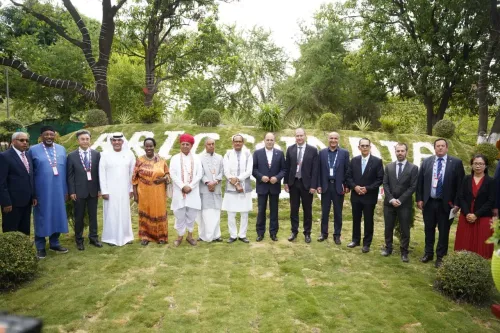
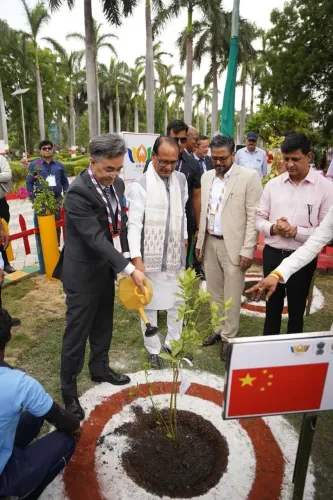
Union Agriculture Minister Shivraj Singh Chouhan announced the successful conclusion of the 16th BRICS Agriculture Ministers' Conference in Indore, Madhya Pradesh, on Saturday, 13 June 2026, with member nations unanimously adopting a joint declaration now formally titled the 'Indore Declaration'. The conference brought together agriculture ministers and senior representatives from BRICS member countries to deliberate on food security, farmer livelihoods, agricultural trade, innovation, investment, climate-resilient farming, and sustainable agricultural development.
Context
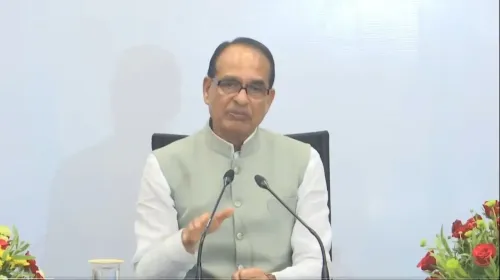
Posting on X after the conference concluded, Chouhan described the outcome as 'mahtvakankshi, santulit aur bhavisyonmukhi' (ambitious, balanced and forward-looking). He stated that the Indore Declaration represents a 'shared commitment to strengthening food security, nutrition, livelihoods, agricultural trade, investment, innovation, and climate-adaptive and sustainable farming systems — with farmers at the centre.' The conference was held in Indore, the commercial capital of Madhya Pradesh, a state Chouhan governed for four terms before being elevated to the Union Cabinet.
Chouhan opened his post by invoking India's civilisational ethos: 'Bharat ki sanatan sanskriti sikhati hai ki krishi keval ann utpadan ka madhyam nahin' — 'India's ancient culture teaches that agriculture is not merely a means of producing food, but the foundation of nourishing humanity, conserving nature, and advancing global welfare.' This framing positioned the Indore meeting within a broader philosophical and cultural context, consistent with India's approach at multilateral agricultural forums.
Policy Backdrop
BRICS agriculture ministers have convened periodically since the mid-2010s to coordinate on trade, innovation, and climate-resilient farming. India has consistently used these forums to advance themes of digital agriculture, agroecology, and farmers' rights, aligning with domestic priorities such as natural farming and climate-adaptive cultivation. The Indore conference continues this pattern, adding institutional architecture to existing cooperation frameworks.
Three new institutional mechanisms were agreed upon at the conference. First, a BRICS Network of Centres of Excellence on Agroecology and Regenerative Agriculture will be established to promote natural and regenerative farming practices, with the Indian Institute of Farming Systems Research (IIFSR) — an institute under the Indian Council of Agricultural Research (ICAR) — set to play a central role. Second, a BRICS Network on Digital Agriculture was formed to accelerate digital technology, artificial intelligence, and data-driven agricultural solutions across member nations. Third, a Global Forum on Farmers' Rights in Seed Systems was agreed upon to protect farmers' rights in seed systems and promote indigenous seeds and traditional knowledge.
Additionally, cooperation through BRICS AGRIN — the grouping's agricultural inputs, seeds, and genetic resources network — will be deepened, and the BRICS Agricultural Research Platform will be strengthened as a Knowledge-to-Action Hub.
Stakeholders and Impact
The Indore Declaration's stated focus on placing 'farmers at the centre' has direct relevance for smallholder farming communities across BRICS nations, which collectively account for a significant share of the world's agricultural population. The new agroecology network and the seed systems forum are particularly significant for countries where small and marginal farmers depend on saved seeds and traditional farming knowledge.
For India, the designation of IIFSR as a nodal institution within the new agroecology network elevates a domestic research body to a multilateral role, potentially channelling international collaboration and funding toward integrated farming systems research. The digital agriculture network also aligns with India's ongoing push to expand agri-tech adoption among its farming community.
What's Next
The operationalisation of the three newly agreed networks — on agroecology, digital agriculture, and seed systems — will be the immediate test of the Indore Declaration's ambitions. Follow-up ministerial meetings, implementation timelines, and the formal activation of the BRICS Agricultural Research Platform as a Knowledge-to-Action Hub will determine whether the commitments made in Indore translate into concrete outcomes for farmers across the Global South. Chouhan expressed confidence that the Declaration 'will strengthen BRICS nations' shared commitment to farmer empowerment, food security, and sustainable agricultural development, and provide a new direction to global agricultural cooperation.'
Point of View
Digital agriculture, and seed systems — in outcomes from an India-hosted conference, New Delhi is positioning itself as the agenda-setter for Global South agricultural cooperation. The choice of Indore, and the central role assigned to a domestic institution like IIFSR, also signals a deliberate effort to project India's farming systems research capabilities internationally. Whether these networks move from declaration to operationalisation will be the real measure of this diplomatic outcome.
NationPress
27 Oct 2026
Frequently Asked Questions
What is the Indore Declaration?
The Indore Declaration is a joint statement unanimously adopted by BRICS member nations at the 16th BRICS Agriculture Ministers' Conference held in Indore on 13 June 2026. It commits member countries to strengthening food security, nutrition, farmer livelihoods, agricultural trade, investment, innovation, and climate-adaptive farming, with farmers placed at the centre of the agenda.
What new institutions were announced at the BRICS Agriculture Conference in Indore?
Three new mechanisms were agreed upon: the BRICS Network of Centres of Excellence on Agroecology and Regenerative Agriculture (with India's IIFSR playing a key role), the BRICS Network on Digital Agriculture, and the Global Forum on Farmers' Rights in Seed Systems. The BRICS Agricultural Research Platform will also be upgraded into a Knowledge-to-Action Hub.
What is IIFSR and why is it significant in the BRICS context?
The Indian Institute of Farming Systems Research (IIFSR) is an institute under the Indian Council of Agricultural Research (ICAR) that focuses on integrated and sustainable farming systems. Its designation as a central institution in the new BRICS agroecology network elevates it to a multilateral role, potentially channelling international collaboration toward India's farming research agenda.
Who chaired the 16th BRICS Agriculture Ministers' Conference?
Union Agriculture Minister Shivraj Singh Chouhan chaired the conference as India's host minister. Chouhan is a senior BJP leader and former four-term Chief Minister of Madhya Pradesh, the state in which Indore is located.
What is the BRICS Network on Digital Agriculture?
The BRICS Network on Digital Agriculture is a newly formed multilateral body agreed upon at the Indore conference. Its purpose is to promote digital technology, artificial intelligence, and data-driven agricultural solutions across BRICS member nations to modernise farming practices and improve productivity.