Shivraj Singh Chouhan leads BRICS plantation drive, Indore Declaration due
Synopsis
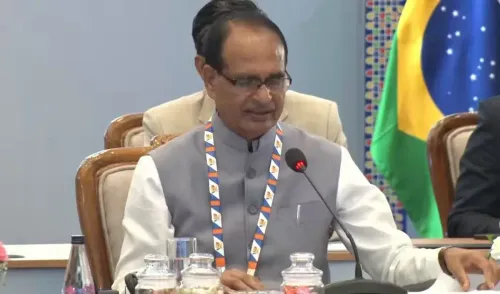
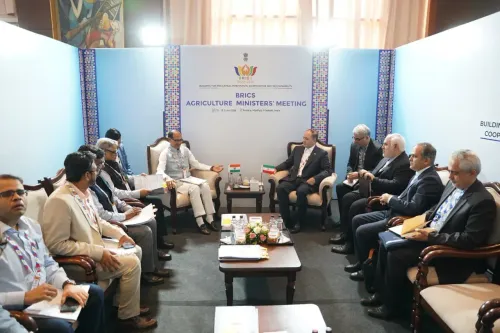
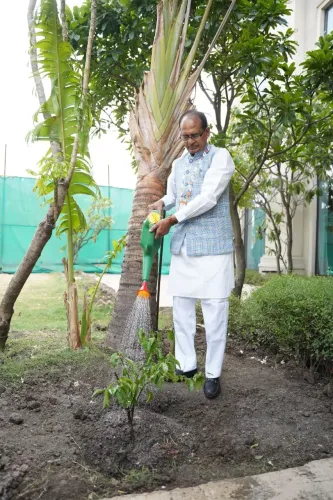
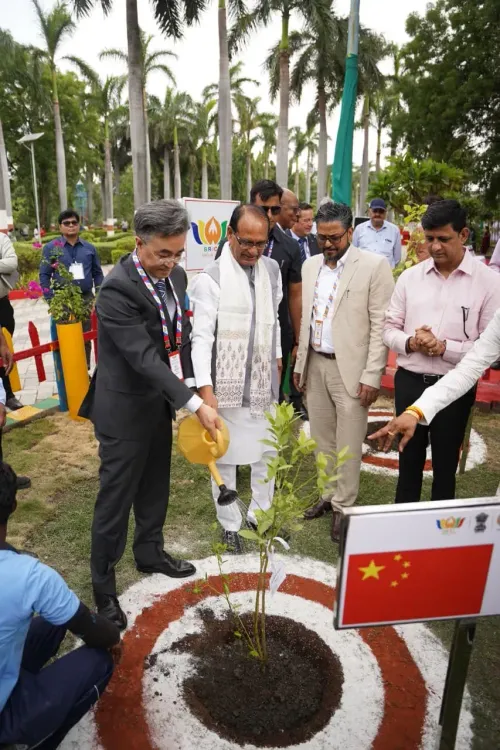
Union Agriculture Minister Shivraj Singh Chouhan joined BRICS member and partner nations in a plantation drive at 'BRICS Vatika' in Indore on 13 June 2026, the second day of the BRICS Agriculture Ministers' Meeting. A joint ministerial document, the Indore Declaration, was scheduled for adoption the same day, centred on global agricultural cooperation and food security.
Key Takeaways
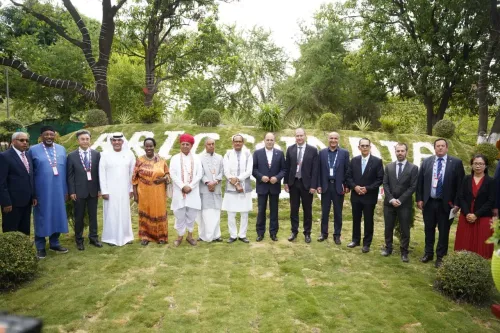
Union Agriculture Minister Shivraj Singh Chouhan participated in a plantation drive at BRICS Vatika in Indore on 13 June 2026 .
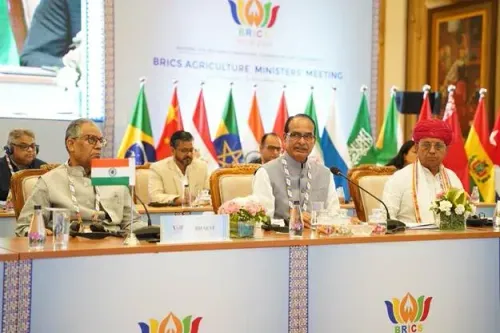
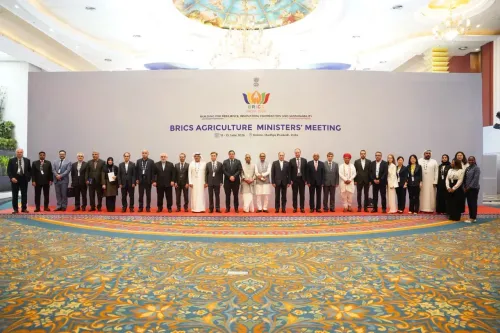
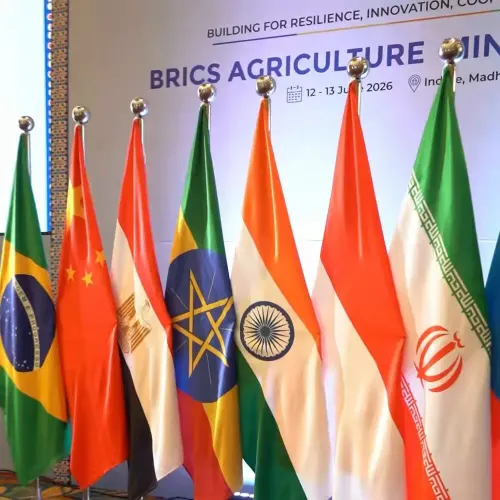
The event took place on the second day of the BRICS Agriculture Ministers' Meeting 2026 , attended by member and partner countries.
The joint ministerial declaration from the meeting will be formally named the Indore Declaration .
The declaration is centred on strengthening global agricultural cooperation and ensuring food security .
BRICS agriculture ministers have met annually since 2010 ; the grouping was expanded in 2024 to include new member and partner states.
India has used BRICS platforms to champion sustainable agriculture and South-South technology sharing .
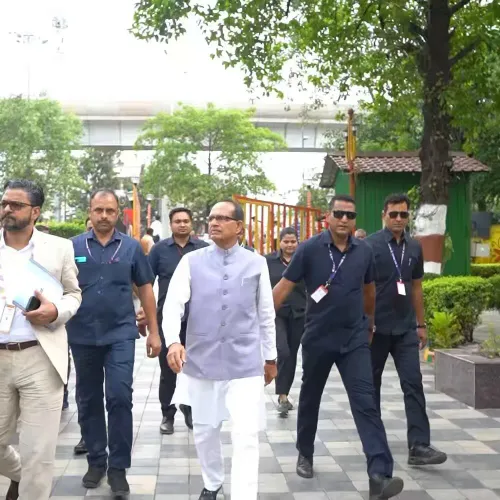
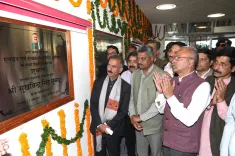
Union Agriculture Minister Shivraj Singh Chouhan joined representatives from BRICS member and partner countries on Saturday, 13 June 2026, for a plantation drive on the second day of the BRICS Agriculture Ministers' Meeting 2026 in Indore, Madhya Pradesh. The symbolic tree-planting exercise, conducted at a site designated 'BRICS Vatika', preceded the scheduled adoption of a joint ministerial declaration later the same day.
Context
Chouhan announced that the joint declaration to emerge from the meeting would be formally named the Indore Declaration, marking the city's role as host of the gathering. In his post, he described the declaration as reflecting 'our collective resolve towards strengthening global agricultural cooperation and ensuring food security.' The two-day meeting brought together agriculture ministers and senior officials from BRICS member states as well as partner countries admitted during the grouping's 2024 expansion.
The plantation drive was framed as more than a ceremonial gesture. Chouhan stated that the saplings at BRICS Vatika would 'convey to the world the values we stand for, choosing harmony over conflict, peace over war, and love over hatred' — language that positions agricultural diplomacy within a broader message of multilateral cooperation.
Policy Backdrop
BRICS agriculture ministers have convened annually since 2010, using the platform to coordinate on food security, climate-resilient farming, and South-South technology sharing. The 2023 ministerial meeting, held in St Petersburg, issued a joint statement focused on climate-resilient agriculture, establishing a precedent for outcome-driven declarations. India has consistently used such gatherings to project its priorities around sustainable practices and smallholder farmer welfare.
The choice of Indore as venue carries domestic significance. The city in Madhya Pradesh — the state Chouhan governed for four terms as Chief Minister — has built a national profile around civic governance and urban sustainability, lending added symbolism to a meeting centred on environmental and agricultural themes. The BRICS grouping, expanded in 2024 to include new member and partner states, has been deepening sectoral cooperation on agriculture partly to address global food price volatility and supply disruptions.
Stakeholders and Impact
The immediate stakeholders of any commitments under the Indore Declaration are the agricultural communities and smallholder farmers across BRICS economies, which collectively account for a substantial share of global food production. Developing-nation partners admitted in the 2024 expansion also stand to benefit from any agreed frameworks on technology transfer or food security financing.
India's positioning at this meeting reinforces its role as a convener of South-South agricultural dialogue. By anchoring the declaration to Indore, the government also signals a regional dimension — drawing attention to central India's agrarian economy and its integration into global multilateral frameworks.
What's Next
The Indore Declaration, once formally adopted, will be the primary document to watch for specific commitments on food security, sustainable agriculture, and inter-member cooperation. National-level follow-up actions from each BRICS member and partner country on those commitments will determine the declaration's practical impact. The location of the next BRICS Agriculture Ministers' Meeting is also expected to be announced as part of the closing proceedings. How swiftly India translates the declaration's language on 'global agricultural cooperation' into bilateral or multilateral action plans will be a key indicator of the meeting's long-term significance.
Point of View
Associating his home state and former constituency with a multilateral milestone. The plantation drive and the language of 'harmony over conflict' signal India's attempt to use agricultural diplomacy as a soft-power instrument within an expanded BRICS that now spans geopolitically divergent states. For the BJP government, hosting a BRICS ministerial in central India — rather than Delhi — also serves to project development optics beyond the capital. The real test will be whether the Indore Declaration produces measurable follow-through or remains a statement of intent.
NationPress
27 Oct 2026
Frequently Asked Questions
What is the BRICS Agriculture Ministers' Meeting 2026?
The BRICS Agriculture Ministers' Meeting 2026 is a two-day multilateral gathering held in Indore, Madhya Pradesh, bringing together agriculture ministers and officials from BRICS member and partner countries to coordinate on food security and sustainable farming.
What is the Indore Declaration?
The Indore Declaration is the joint ministerial document scheduled for adoption on 13 June 2026 at the close of the BRICS Agriculture Ministers' Meeting in Indore, focused on strengthening global agricultural cooperation and ensuring food security.
What is BRICS Vatika?
BRICS Vatika is the name given to the plantation site in Indore where BRICS agriculture ministers and delegates planted saplings on 13 June 2026 as a symbol of shared environmental commitment.
Why was Indore chosen for the BRICS Agriculture Ministers' Meeting 2026?
Indore, a major city in Madhya Pradesh, was selected as the venue. The city has a strong civic and sustainability profile, and Madhya Pradesh is the home state of Agriculture Minister Shivraj Singh Chouhan, who served as its Chief Minister for four terms.
How often do BRICS agriculture ministers meet?
BRICS agriculture ministers have convened annually since 2010, using the platform to issue joint statements and coordinate on issues such as food security, climate-resilient agriculture, and South-South technology transfer.