Delimitation bill to raise UP Assembly seats, says Amit Shah
Synopsis
Amit Shah has pitched delimitation directly to Uttar Pradesh. The proposed amendment to Article 170(1) would lift the cap on state Assembly seats from 500 to around 650, with one-third reserved for women. Akhilesh Yadav hit back on X, accusing the BJP of caring more about constituency boundaries than the country's borders.
Key Takeaways
Amit Shah said on 28 November 2026 that the delimitation package will raise Uttar Pradesh's representation in the State Assembly.
The proposal amends Article 170(1) , raising the maximum Assembly strength from 500 to around 650 seats .
One-third reservation for women will give UP women their highest-ever representation, according to Shah.
The Union Cabinet cleared the amendments a day earlier, ahead of the Special Session from 30 November to 3 December .
SP chief Akhilesh Yadav accused the BJP of prioritising electoral boundaries over national borders.
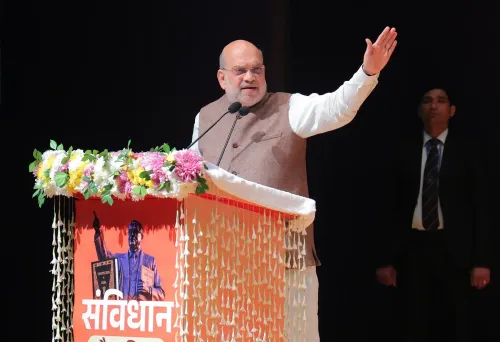
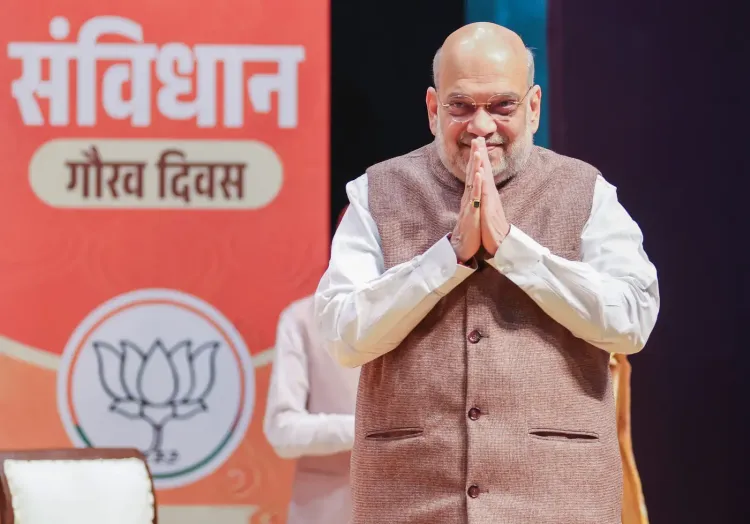
Union Home Minister Amit Shah on Saturday, 28 November 2026, said the Centre's proposed delimitation legislation will allow Uttar Pradesh to increase its representation in the State Assembly. The package, described in reports as the Constitution (131st Amendment) Bill, 2026, includes the Delimitation Bill, 2026 and the Union Territories Laws (Amendment) Bill, 2026. Shah's remarks in New Delhi come as the government prepares for a Special Session of Parliament.
Key Developments
Shah's statement came a day after the Union Cabinet cleared amendments to the Constitutional Amendment Bill linked to the proposed delimitation exercise and the women's reservation legislation. The Cabinet cleared the amendments ahead of the Special Session of Parliament, scheduled from 30 November to 3 December.
In a post on X, Shah described the Cabinet's approval of the 132nd Constitutional Amendment Bill under Prime Minister Narendra Modi as a major step towards increasing public representation across all states and bringing governance closer to the people. Notably, the source material refers to both the 131st and the 132nd Amendment Bill. The final numbering is expected to become clear when the legislation is formally introduced.
What the Amendment Proposes
The centrepiece of Shah's remarks was a change to Article 170(1) of the Constitution, which sets the size of State Legislative Assemblies. “The proposal also includes an amendment to Article 170(1), raising the maximum strength of State Legislative Assemblies from 500 to around 650 seats,” he said.
According to Shah, the provision will enable an undivided Uttar Pradesh “to increase its representation in the State Assembly.” He also pointed to the women's quota. “At the same time, the one-third reservation for women will give the women of the state their highest-ever level of representation,” he added.
What the Government Said
Shah argued that more elected representatives would allow local priorities to be voiced more effectively in the legislature. He said this would help shape development plans that better reflect local needs and would accelerate overall development.
“This decision will further strengthen both good governance and public participation in Uttar Pradesh,” Shah said. He urged all political parties in the state to welcome and support what he called a “historic legislation.”
Opposition Pushback
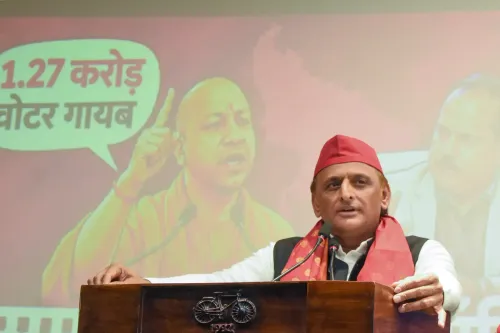
Earlier the same day, Samajwadi Party (SP) President Akhilesh Yadav criticised the Bharatiya Janata Party (BJP)-led Centre over the Cabinet's decision. He accused the ruling party of focusing on elections rather than national security.
“For the BJP, elections are everything, not the country. That's why it cares about the boundaries of Lok Sabha constituencies, not the country's borders,” Yadav wrote in a post on X.
This comes amid a wider debate over how delimitation will redraw political maps across states. Shah's direct appeal to Uttar Pradesh, India's most populous state and a decisive electoral battleground, sets up a sharp contest with the SP, the state's principal opposition force.
What Happens Next
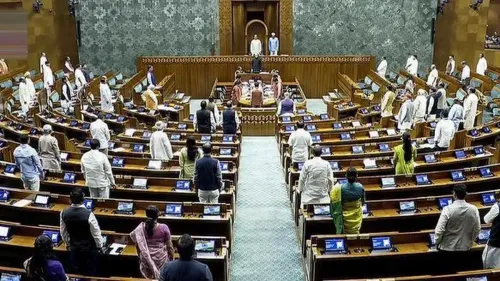
The bills are expected to come up during the Special Session beginning 30 November. A Constitutional amendment of this scale needs a special majority in both Houses. The coming week will show whether the Centre can build the cross-party support Shah has called for, or whether opposition resistance led by parties such as the SP hardens further.
Point of View
And seat count by seat count. Raising the Assembly cap to around 650 will benefit populous states most, which risks reopening the North-South fairness debate that has shadowed delimitation for decades. The confusion between the 131st and 132nd Bill numbering also underlines how rushed this is. A Constitutional rewrite of this scale, pushed through a four-day Special Session, deserves far more public scrutiny than the timeline allows.
NationPress
28 Nov 2026
Frequently Asked Questions
What did Amit Shah say about Uttar Pradesh and delimitation?
Amit Shah said the proposed delimitation legislation will enable Uttar Pradesh to increase its representation in the State Assembly. He made the remarks on X on 28 November 2026 and urged all parties in the state to support the bill.
What change is proposed to Article 170(1)?
The amendment would raise the maximum strength of State Legislative Assemblies from 500 to around 650 seats. According to Shah, this would allow larger states like Uttar Pradesh to expand their Assemblies.
When will the delimitation bills be taken up in Parliament?
The bills are expected to be taken up during the Special Session of Parliament from 30 November to 3 December. The Union Cabinet cleared the related amendments a day before Shah's remarks.
How does women's reservation figure in the proposal?
The proposal is linked to one-third reservation for women in legislatures. Shah said this would give women in Uttar Pradesh their highest-ever level of representation.
What did Akhilesh Yadav say about the delimitation move?
Akhilesh Yadav accused the BJP of focusing on elections rather than national security. In a post on X, he said the party cares about the boundaries of Lok Sabha constituencies, not the country's borders.