Delimitation Bill: NDA hails 'historic' move for women's quota
Synopsis
The Cabinet's revised Delimitation Bill could reshape Indian democracy's map for the first time since 1971-72. NDA leaders say it brings a 50% rise in seats in every state, including 40 more MPs for Uttar Pradesh. They also say it will make the 33% women's quota operational before 2029. The real fight now moves to Parliament's special session.
Key Takeaways
The Union Cabinet approved the revised Delimitation Bill , and NDA leaders hailed it on 28 November 2026 .
The Bill is expected to be introduced in a special session of Parliament beginning 30 November .
NDA leaders say the plan involves a 50 per cent increase in seats in every state.
UP Deputy CM Keshav Prasad Maurya said Uttar Pradesh would get 40 additional MPs .
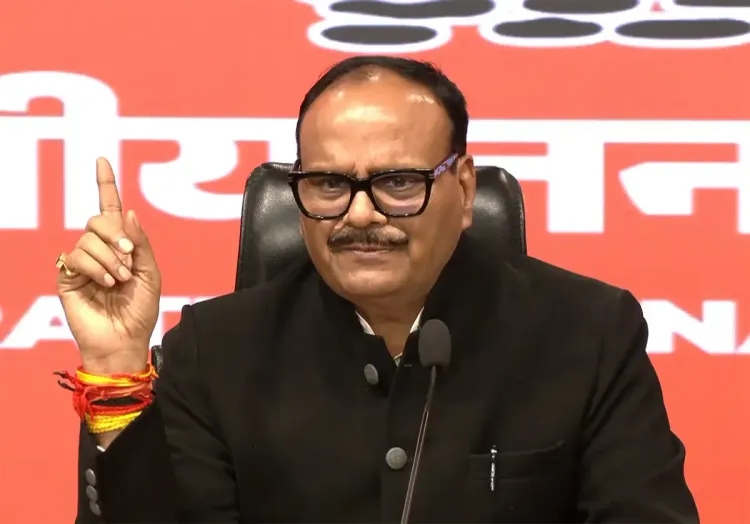
UP Deputy CM Brajesh Pathak said 33 per cent women's reservation will take effect before the 2029 elections.
The last delimitation exercise was conducted in 1971-72 , according to JD(U)'s Sanjay Jha .
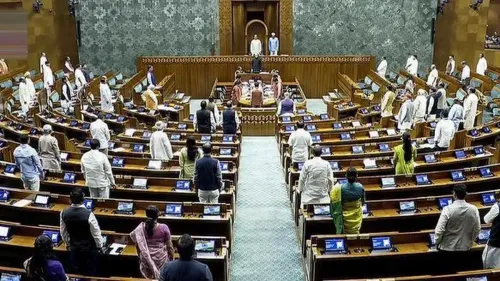
Leaders of the National Democratic Alliance (NDA) on Saturday, 28 November 2026, welcomed the revised Delimitation Bill approved by the Union Cabinet in New Delhi. They called it a “historic step” that would expand legislative representation and put into effect 33 per cent reservation for women in Parliament and state assemblies. The Centre, led by the Bharatiya Janata Party (BJP), is expected to introduce the legislation during a special session of Parliament beginning 30 November.
Leaders from several NDA constituents backed the Cabinet's decision. They said the proposed changes would raise representation, give women greater opportunities and meet the long-pending need to redraw constituencies.
Key Developments
The Cabinet's approval sets up a two-track legislative push. One track is the delimitation of parliamentary and Assembly constituencies. The other is the implementation of women's reservation under the Nari Shakti Vandan Adhiniyam.
According to statements from alliance leaders, the formula under discussion involves a 50 per cent increase in seats in every state. The government has not yet tabled the final text in Parliament, so the details remain subject to the Bill introduced in the upcoming session.
What NDA Leaders Said
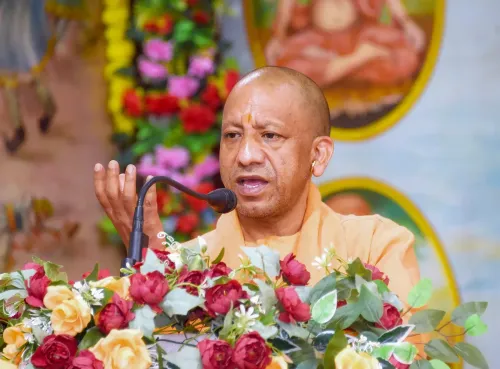
Uttar Pradesh Deputy Chief Minister Brajesh Pathak thanked Prime Minister Narendra Modi and the Union Cabinet. “Under the leadership of PM Modi, Parliament passed the Nari Shakti Vandan Adhiniyam to open the path for 33 per cent reservation for women. The Cabinet has ensured that before the 2029 elections, this law will come into effect, and women will no longer have to wait any longer,” Pathak said.
His fellow Deputy Chief Minister Keshav Prasad Maurya focused on the expansion in seats. “With 40 additional MPs in Uttar Pradesh, many talented individuals will get an opportunity,” Maurya said. He added that with 33 per cent reservation for women, “the atmosphere in both the country's Parliament and the State Assembly will become even better.”
Janata Dal (United) National Working President Sanjay Jha pointed out that the last delimitation exercise took place in 1971-72. “You all know how much the population of each parliamentary or Assembly (constituency) has grown over those 50 years,” he told reporters. He added that “in every state there will be a 50 per cent increase from this.”
JD(U) national spokesperson Rajiv Ranjan called the approval a historic decision. He alleged that the Congress and other opposition parties had repeatedly failed to deliver on promises about women's representation.
Shiv Sena spokesperson Shaina NC described delimitation as a constitutional exercise made necessary by population growth. “The proposal is performance-based, with a 50 per cent increase in seats,” she said. She expressed hope that both Bills would pass in this session.
Attack on Congress and INDIA Bloc
Several leaders directed their remarks at the opposition. BJP Rajya Sabha MP Sat Sharma said, “Congress is opposing these reforms despite its claims of protecting the Constitution. The country has decided that women must get their rightful representation, and the BJP stands firmly behind this...”
Telangana BJP President N. Ramchander Rao accused the Congress and the INDIA bloc of obstructing the women's reservation initiative. “Delimitation is long overdue for Telangana and Andhra Pradesh, and increasing seats by 50 per cent is the best formula without disturbing the population ratio,” Rao said.
What Happens Next
Notably, the push comes more than five decades after the last delimitation. Population growth since then has left constituencies vastly unequal in size.
All eyes now turn to the special session opening on 30 November. The government's floor management and the opposition's response will decide whether both Bills clear Parliament in time for the 2029 general elections.
Point of View
But it is designed to sidestep the southern states' fear of being penalised for controlling population, and it freezes existing imbalances rather than correcting them. Bundling delimitation with women's reservation is politically shrewd, because opposing one now looks like opposing the other. Parliament deserves the full formula and state-wise numbers on the floor, not just applause from alliance spokespersons.
NationPress
28 Nov 2026
Frequently Asked Questions
What is the revised Delimitation Bill approved by the Union Cabinet?
It is proposed legislation to redraw parliamentary and Assembly constituencies, the first such exercise since 1971-72. NDA leaders say it involves a 50 per cent increase in seats in every state and will enable 33 per cent reservation for women.
When will the Delimitation Bill be introduced in Parliament?
The Centre is expected to introduce the Bill during the special session of Parliament beginning 30 November 2026.
Will women's reservation be implemented before the 2029 elections?
According to UP Deputy Chief Minister Brajesh Pathak, the Cabinet has ensured the women's reservation law will come into effect before the 2029 elections. The Nari Shakti Vandan Adhiniyam providing 33 per cent reservation has already been passed by Parliament.
How many additional seats will Uttar Pradesh get after delimitation?
UP Deputy Chief Minister Keshav Prasad Maurya said Uttar Pradesh would get 40 additional MPs under the proposed exercise.
Why is delimitation being carried out now?
JD(U)'s Sanjay Jha said the last delimitation took place in 1971-72, and constituency populations have grown sharply over the past 50 years. Shiv Sena's Shaina NC described it as a constitutional exercise made necessary by population growth.