Chandigarh SIR 2025: 87% enumeration forms collected, 66,147 remain uncollected
Synopsis
Chandigarh's SIR enumeration phase is done — and 87% is the headline figure. But with 66,147 electors unaccounted for and their names set to be dropped from the Draft Electoral Roll, the Claims and Objections window becomes the last line of defence for genuine voters who missed the door-to-door drive.
Key Takeaways
The SIR enumeration phase in Chandigarh concluded on 15 July 2025 , with results announced on 21 July .
4,50,280 enumeration forms ( 87.19% ) were collected and digitised out of 5,16,427 registered electors.
66,147 forms ( 12.81% ) remained uncollected and are classified under the ASDD list ; these electors will not feature in the Draft Electoral Roll.
3,80,821 electors were linked to the previous SIR; 69,459 submitted forms without mapping linkage.
614 BLOs and 1,780 BLAs from recognised political parties supported the exercise; 100% of forms were distributed within the first 7 days .
Genuine electors who missed the phase can seek inclusion via Form-6 during the Claims and Objections period.
The Election Commission of India (ECI) on Tuesday, 21 July confirmed that the enumeration phase of the Special Intensive Revision (SIR) of electoral rolls in Chandigarh has concluded, with 4,50,280 out of 5,16,427 registered electors' forms collected and digitised — a completion rate of 87.19 per cent. The remaining 66,147 forms, representing 12.81 per cent of the electorate, went uncollected during the phase, which ran from 15 June to 15 July 2025.
Key Numbers from the Enumeration Phase
Of the 4,50,280 enumeration forms reconciled for mapping, 3,80,821 electors were successfully linked with the previous SIR through self-mapping or progeny mapping. The remaining 69,459 electors submitted forms without any linkage to the last SIR, as mapping details were not provided by them.
The 66,147 uncollected forms have been classified under the ASDD (Absent, Shifted, Dead and Duplicate) list. According to the ECI, the names of these electors will not appear in the Draft Electoral Roll. However, genuine electors within this group retain the option to be re-included through Form-6 submissions during the upcoming Claims and Objections period.
How the Enumeration Was Carried Out
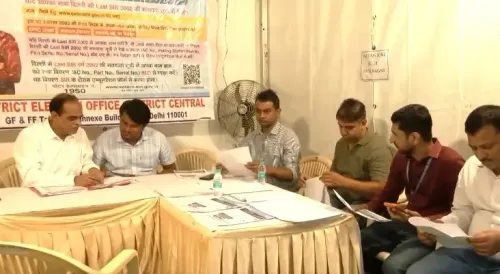
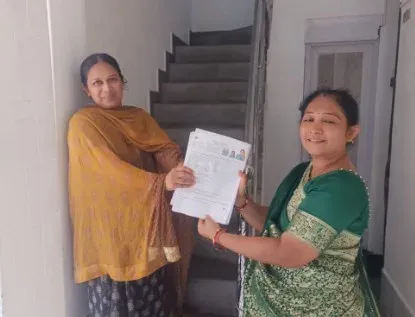
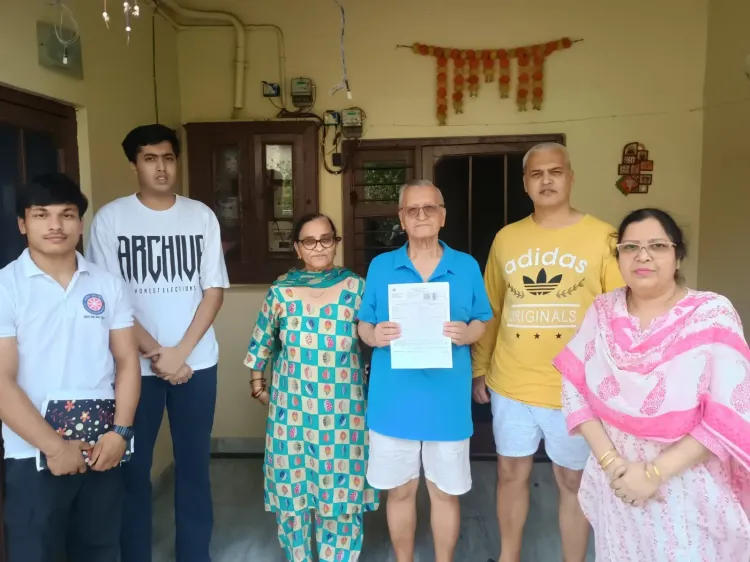
The exercise was anchored by 614 Booth Level Officers (BLOs) and BLO Supervisors deployed across polling booths in Chandigarh. All enumeration forms were distributed within the first seven days of the phase — achieving 100 per cent distribution ahead of schedule. Each household received at least one visit for form distribution, followed by a minimum of three follow-up visits for collection.
Where electors were unavailable during BLO visits, intimation stickers were affixed at residences. Additionally, 1,780 Booth Level Agents (BLAs) appointed by recognised political parties — including their district presidents — along with NSS volunteers provided independent follow-up support under the overall framework of the Chief Electoral Officer's office.
Official Recognition and Incentives
The ECI noted that BLOs who completed their enumeration activity ahead of schedule were formally recognised and awarded incentives. The commission credited the District Election Officer, Electoral Registration Officers (EROs), Assistant Electoral Registration Officers (AEROs), and Nodal Officers for the successful completion of the phase.
What Comes Next
With the enumeration phase now closed, attention shifts to the Claims and Objections period, during which eligible electors who missed the enumeration window can file Form-6 applications for inclusion in the electoral roll. The Draft Electoral Roll will be published based on the data collected and digitised in this phase, setting the stage for the next round of electoral roll finalisation in Chandigarh.
Point of View
But the 66,147 uncollected forms deserve closer scrutiny — particularly whether the ASDD classification accurately reflects ground reality or inadvertently sweeps in genuine, resident voters. The three-visit BLO protocol and BLA follow-up were designed precisely to minimise such gaps, yet nearly one in eight electors remains unaccounted for. The Claims and Objections window is a necessary safety valve, but it places the burden of correction on the elector rather than the system. As SIR exercises expand to more cities, the Chandigarh data will serve as a benchmark for what an intensive, multi-stakeholder enumeration drive can — and cannot — achieve.
NationPress
20 Oct 2026
Frequently Asked Questions
What is the SIR enumeration phase in Chandigarh?
The Special Intensive Revision (SIR) enumeration phase is a door-to-door exercise conducted by the Election Commission of India to update Chandigarh's electoral rolls. It ran from 15 June to 15 July 2025, during which Booth Level Officers visited every registered elector's household to distribute and collect enumeration forms.
How many enumeration forms were collected in Chandigarh's SIR?
Out of 5,16,427 registered electors, 4,50,280 enumeration forms — representing 87.19 per cent — were collected and digitised. The remaining 66,147 forms (12.81 per cent) went uncollected by the end of the phase.
What happens to electors whose forms were not collected?
Electors whose forms were not collected have been placed on the ASDD (Absent, Shifted, Dead and Duplicate) list and will not be included in the Draft Electoral Roll. However, genuine electors in this category can apply for inclusion by submitting Form-6 during the Claims and Objections period.
What is the Claims and Objections period and who should use it?
The Claims and Objections period is a window following the publication of the Draft Electoral Roll during which eligible voters can file Form-6 to be added to the roll. It is the primary recourse for the 66,147 electors whose forms were not collected during the SIR enumeration phase.
Who conducted the SIR enumeration in Chandigarh?
The exercise was carried out by 614 Booth Level Officers (BLOs) and BLO Supervisors, supported by Electoral Registration Officers, the District Election Officer, and 1,780 Booth Level Agents appointed by recognised political parties, all functioning under the Chief Electoral Officer's office.