Chhattisgarh CMO directs all collectors: no farmer must suffer for fertiliser or seeds
Synopsis
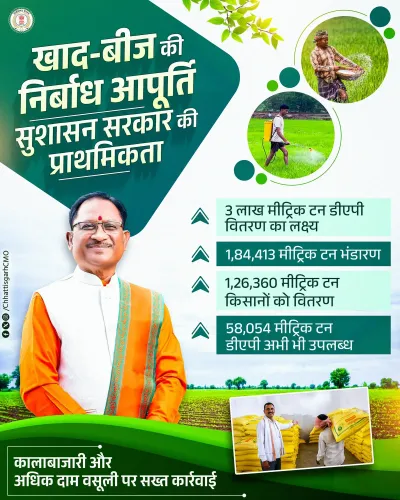
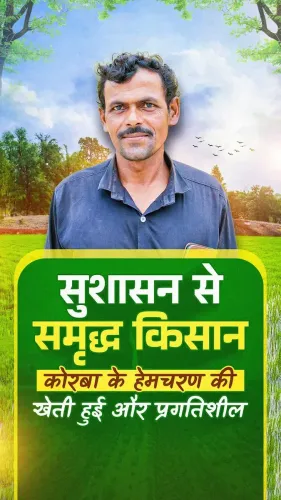
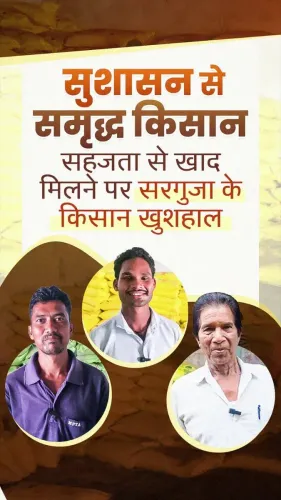
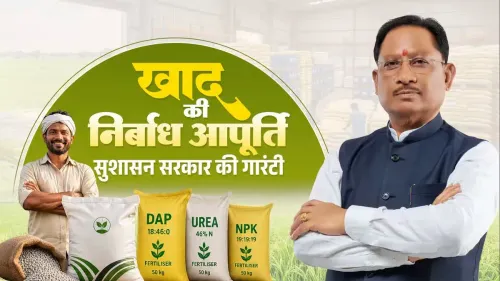
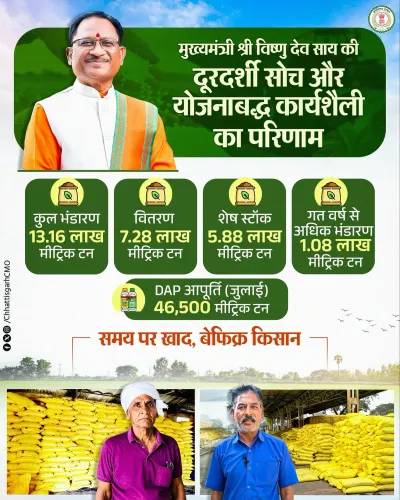
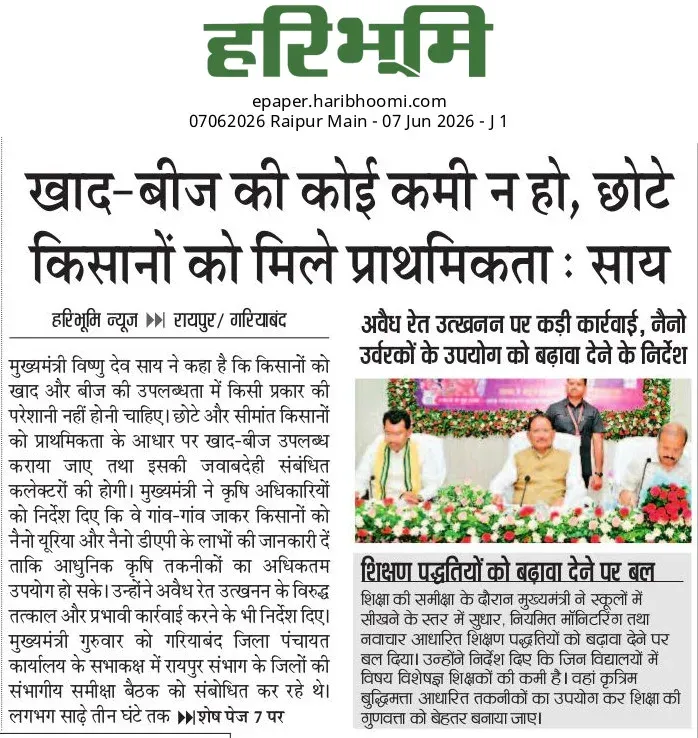
The Chief Minister's Office of Chhattisgarh on 7 June 2026 directed all district collectors to ensure uninterrupted fertiliser and seed access for farmers ahead of the kharif season, framing input availability as a core governance benchmark.
Key Takeaways
The Chief Minister's Office of Chhattisgarh issued the directive on 7 June 2026 , ahead of the kharif 2026 sowing season.
All district collectors across Chhattisgarh were instructed to ensure no farmer faces hardship in accessing fertiliser and seeds .
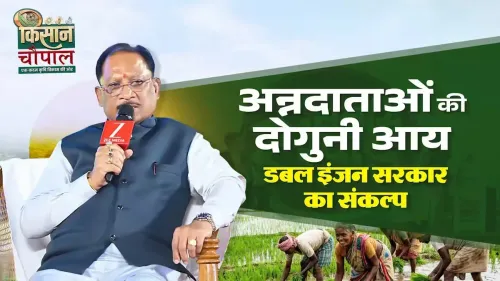
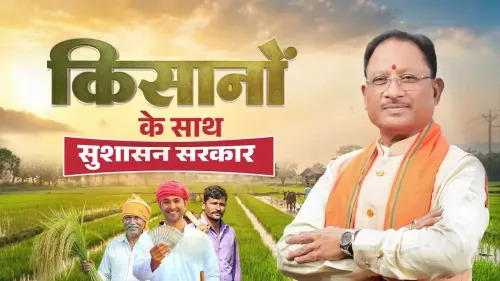
The CMO framed farmer prosperity as the defining marker of good governance: 'Khushhaal kisan, sushasan ki pehchaan.' Chhattisgarh's agriculture is largely rain-fed and dominated by small and tribal farmers who are especially vulnerable to input supply disruptions.
District collectors are responsible for dealer oversight, stock monitoring, and grievance redressal during peak input demand periods.
Compliance with the directive and district-level input distribution reports will be a key governance metric in the weeks ahead.
The Chief Minister's Office of Chhattisgarh issued a firm directive on Sunday, 7 June 2026, instructing all district collectors across the state to ensure that not a single farmer faces hardship in accessing fertiliser and seeds ahead of the kharif 2026 sowing season.
The post, shared in Hindi, read: 'Khad-beej ke liye ek bhi kisan na ho pareshan, sabhi collector rakhen is baat ka dhyan' ('Not a single farmer should face trouble for fertiliser and seeds — all collectors must keep this in mind'), followed by the line 'Khushhaal kisan, sushasan ki pehchaan' ('A prosperous farmer is the hallmark of good governance').
Context
The directive comes as Chhattisgarh enters the critical pre-monsoon window when farmers begin procuring inputs for the kharif crop cycle. Timely availability of fertiliser and certified seeds is central to planting decisions, particularly for the state's large population of small and marginal cultivators. Any disruption at this stage can cascade into yield losses and rural distress. The message was addressed directly to district collectors — the senior-most administrative officers at the district level — who are responsible for coordinating supply chains, licensing of input dealers, and grievance redressal at the ground level.Policy Backdrop
Chhattisgarh governments have issued pre-monsoon directives on agricultural input distribution since at least the early 2010s, making district-level accountability a recurring instrument of farm welfare policy. The state's fertiliser and seed distribution programme operates through a network of cooperative societies, licensed dealers, and government outlets, all of which fall under collector oversight during peak demand periods. The state's agriculture is predominantly rain-fed, and a significant share of its farming households belong to tribal and small-farmer categories who have limited ability to absorb supply shocks or price spikes in the input market. This vulnerability has historically made pre-season input access a politically and administratively sensitive issue.Stakeholders and Impact
The directive's primary beneficiaries are Chhattisgarh's farmers, especially those in rain-dependent districts where delayed or inadequate fertiliser and seed supply can directly undermine the kharif harvest. For district collectors, the public nature of the CMO's instruction signals that input availability will be a monitored governance metric in the weeks ahead. Input dealers and cooperative networks are also implicitly placed on notice, as collector-level scrutiny typically translates into inspections of stock levels, pricing compliance, and distribution reach. Farmers in remote and tribal belt districts stand to benefit most if the directive results in proactive stocking and outreach.What's Next
Attention will now turn to district-level compliance reports and any follow-up reviews by the state agriculture department as the monsoon onset approaches. The CMO's public framing — linking farmer welfare to 'good governance' — suggests the administration intends to use input distribution performance as a visible accountability benchmark. Any reports of localised shortages or hoarding in the coming weeks will likely draw swift administrative response given the directive's explicit and public nature.Point of View
Collector-addressed directive is a textbook pre-kharif governance signal — it places accountability firmly at the district level while generating visible political capital around farmer welfare. By tying 'good governance' explicitly to input access, the administration is setting a measurable, publicly announced benchmark that will be difficult to quietly walk back if shortages emerge. This fits a broader pattern across Indian states of using social media as an accountability lever over the bureaucracy, not merely as a public communication tool. The directive's timing, days before the monsoon onset window, suggests the administration is aware of potential supply-chain stress and is pre-emptively framing its response.
NationPress
19 Sept 2026
Frequently Asked Questions
What did the Chhattisgarh CMO direct district collectors to do?
The Chief Minister's Office of Chhattisgarh directed all district collectors on 7 June 2026 to ensure that no farmer in the state faces any difficulty in accessing fertiliser and seeds ahead of the kharif sowing season.
Why is fertiliser and seed availability important before kharif season in Chhattisgarh?
Kharif crops like paddy depend on timely sowing once the monsoon arrives. Farmers need certified seeds and fertiliser in advance; any delay or shortage can reduce yields, especially for small and tribal farmers who have limited alternatives.
Who is responsible for fertiliser and seed distribution in Chhattisgarh districts?
District collectors are the senior administrative officers responsible for overseeing input supply chains, licensing dealers, monitoring stock levels, and addressing farmer grievances at the district level.
What does 'Khushhaal kisan, sushasan ki pehchaan' mean?
The Hindi phrase translates to 'A prosperous farmer is the hallmark of good governance.' The CMO used it to link farm welfare outcomes directly to the administration's governance credentials.
What should farmers in Chhattisgarh do if they cannot get fertiliser or seeds?
Farmers facing difficulty in accessing inputs can approach their district collector's office or local agriculture department outlet. The CMO's directive places the responsibility of resolving such issues squarely on district collectors.