CM Sai to Build 30 Tribal Homestays in Jashpur's Bageeha-Mayali
Synopsis
The Chhattisgarh CMO has announced 30 cluster home-stays across 6 tribal villages in Jashpur's Bageeha-Mayali region under CM Vishnu Deo Sai, aiming to generate rural livelihoods while immersing tourists in adivasi culture.
Key Takeaways
30 cluster home-stays will be developed across 6 tribal villages in the Bageeha-Mayali area of Jashpur district , Chhattisgarh.
The initiative is being driven under Chief Minister Vishnu Deo Sai , who has made tribal welfare a central pillar of his government since December 2023 .
The plan is featured in the September 2026 edition of Chhattisgarh Janman , the state's official monthly magazine.
The cluster homestay model is designed to channel tourism income directly to tribal host families rather than external operators.
Jashpur is one of Chhattisgarh's most tribal-dense districts, with significant cultural and natural tourism potential that has historically been underdeveloped.
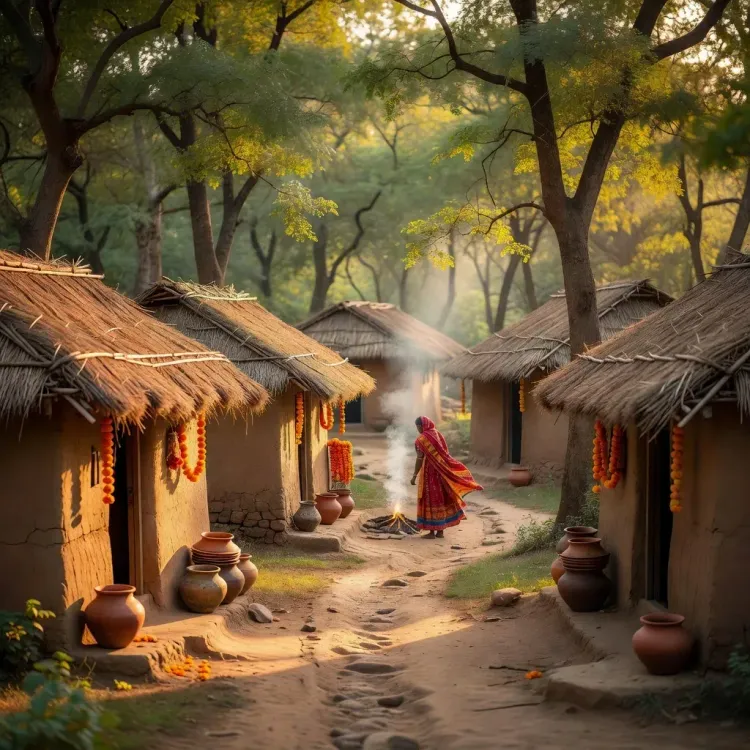
Six tribal villages nestled in Jashpur district's Bageeha-Mayali region are on the cusp of a quiet transformation — one measured not in highways or factories, but in open hearths, handwoven textiles, and the unhurried rhythms of adivasi life. The Chief Minister's Office of Chhattisgarh announced on Saturday, 31 October 2026 that 30 cluster home-stays will be developed across these villages under the leadership of Chief Minister Vishnu Deo Sai, giving tribal communities a direct stake in the state's growing tourism economy.
Bageeha-Mayali's 30 Homestays: What the Plan Involves
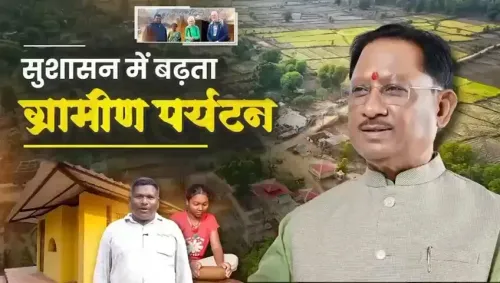
The announcement, shared via the CMO's official X account, frames the initiative as a bid to give Chhattisgarh's tribal culture and rural life a new identity through tourism — 'पर्यटन से नई पहचान' (a new identity through tourism). The 30 cluster home-stays spread across 6 tribal villages in the Bageeha-Mayali area of Jashpur are designed so that visitors literally live within adivasi households, experiencing daily routines, cuisine, and festivals firsthand. The plan is detailed in the September 2026 edition of Chhattisgarh Janman, the state government's official monthly magazine, under a feature titled 'Paryatak Mahsoos Karenge Aadivasi Jeevan' — 'Tourists Will Feel Tribal Life'.
Why Jashpur — and Why Homestays
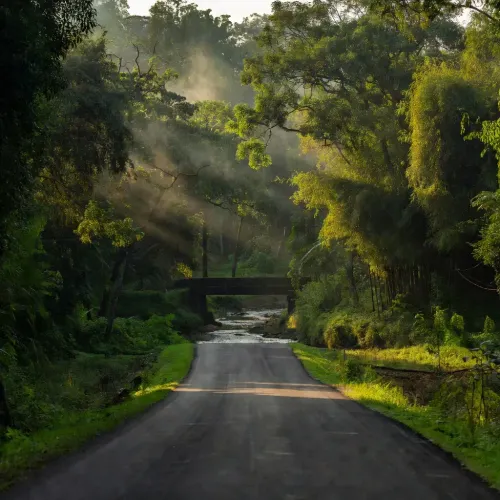
Jashpur, tucked into northern Chhattisgarh bordering Jharkhand and Odisha, is one of the state's most densely tribal districts, with dense sal forests, waterfalls, and a living cultural heritage that formal hotel tourism has historically bypassed. Cluster homestay models — where multiple households in a village are collectively upgraded and marketed as a tourism unit — have shown results elsewhere in India by distributing income directly to host families rather than channelling it through third-party operators. That community-ownership angle is precisely what makes this model politically and economically attractive in a region where supplementary income for tribal households remains a policy priority.
Sai Government's Tribal-Development Push
Chief Minister Vishnu Deo Sai, who took office in December 2023, has consistently positioned tribal welfare at the centre of his administration's agenda. Rural tourism infrastructure in interior tribal districts — linking livelihood generation with cultural preservation — fits squarely within that broader arc. Chhattisgarh governments across administrations have pursued similar initiatives, but the cluster approach in Bageeha-Mayali signals a more structured, scalable push. Such schemes often dovetail with central government frameworks for tribal area development, potentially unlocking additional funding streams, though specific financing details for this project have not yet been officially disclosed.
The immediate marker to watch: whether the 30 homestays move swiftly from announcement to sanction, construction, and — most critically — actual bookings. Tourism infrastructure without operational follow-through is a pattern the state has grappled with before. This time, the villages of Bageeha-Mayali are watching closely.
Point of View
But the true test lies in execution: past rural tourism drives in Chhattisgarh have stalled at the infrastructure stage. If the state pairs these homestays with active marketing and connectivity upgrades, Jashpur could emerge as a credible adivasi tourism destination; if it does not, the announcement risks becoming another line in a policy document.
NationPress
31 Oct 2026
Frequently Asked Questions
What is the Chhattisgarh tribal homestay project in Jashpur?
The Chhattisgarh government plans to develop 30 cluster home-stays across 6 tribal villages in the Bageeha-Mayali region of Jashpur district, allowing tourists to live within adivasi households and experience tribal culture directly.
Who announced the Bageeha-Mayali tribal homestay scheme?
The Chief Minister's Office of Chhattisgarh announced the scheme under Chief Minister Vishnu Deo Sai on 31 October 2026.
Where is Bageeha-Mayali located in Chhattisgarh?
Bageeha-Mayali is an area within Jashpur district, situated in northern Chhattisgarh near the borders with Jharkhand and Odisha, and is home to a significant tribal population.
What is Chhattisgarh Janman magazine?
Chhattisgarh Janman is the official monthly magazine of the Chhattisgarh government, covering policy, culture, and development initiatives; the September 2026 edition features a detailed article on the tribal homestay plan.
How will the cluster homestay model benefit tribal villagers in Jashpur?
The cluster model pools multiple village households into a single tourism unit, ensuring that income from tourists flows directly to host families rather than outside operators, providing a meaningful supplementary livelihood.