Shivraj Singh Chouhan: Shri Anna Revival from Meghalaya to Nagaland

Synopsis
Union Agriculture Minister Shivraj Singh Chouhan invoked PM Modi's Mann Ki Baat to celebrate the Shri Anna millet revival stretching from Meghalaya to Nagaland, underscoring the Centre's push to reposition millets as aspirational crops for Northeast tribal farmers.
Key Takeaways
Union Agriculture Minister Shivraj Singh Chouhan posted on X on 25 October 2026 celebrating millet revival in Meghalaya and Nagaland .
The post references Mann Ki Baat , PM Modi's monthly radio address, as the source of the Shri Anna narrative.
Shri Anna is the government's official rebranding of millets, aimed at elevating their image from coarse grains to nutritional and aspirational foods.
India declared 2023 the International Year of Millets , launching a sustained push for production, consumption and exports.
The Northeast states of Meghalaya and Nagaland hold deep indigenous millet-cultivation traditions now being integrated into national policy.
State-level millet mission rollouts and procurement targets for the Northeast remain the key watch-point.
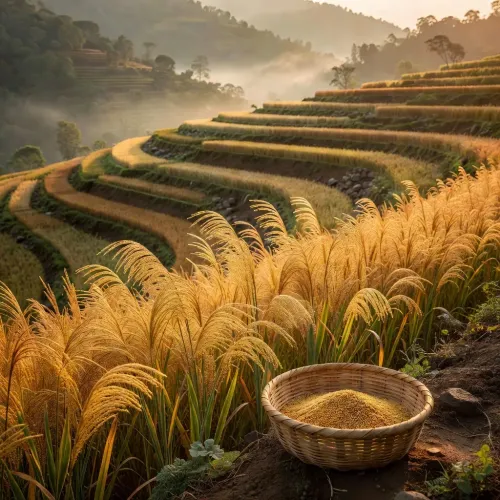
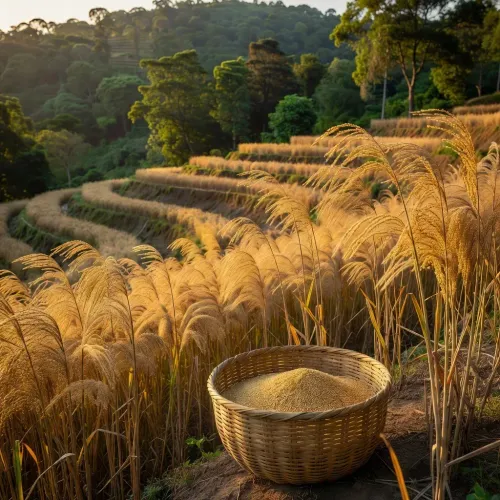
From the misty highlands of Meghalaya to the terraced fields of Nagaland, an ancient grain is reclaiming its pride — and Union Agriculture Minister Shivraj Singh Chouhan wants every Indian to know it. On Sunday, 25 October 2026, Chouhan took to X to amplify a theme from Prime Minister Narendra Modi's monthly radio address, Mann Ki Baat, celebrating the renewed identity that Shri Anna — the government's aspirational name for millets — is finding across India's Northeast.
Chouhan's post read: 'Meghalaya se Nagaland tak Shri Anna ki parampara phir nayi pehchaan bana rahi hai' — 'From Meghalaya to Nagaland, the tradition of Shri Anna is once again building a new identity.' The shout-out to Mann Ki Baat signals a deliberate coordination: the Agriculture Ministry amplifying a narrative the Prime Minister seeded directly into millions of households through his broadcast address.
What 'Shri Anna' means — and why the Northeast matters
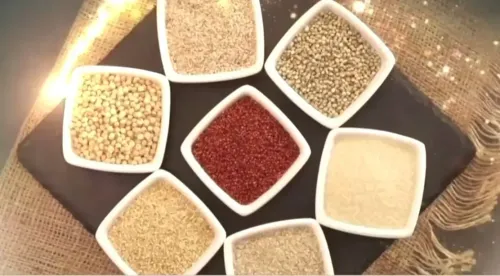
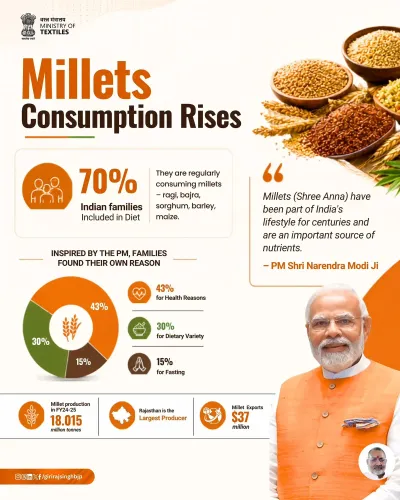
The rebranding of millets as Shri Anna — literally, 'the honoured grain' — is one of the more calculated image exercises in recent Indian agricultural policy. Historically dismissed as 'coarse grains' consumed only where nothing else grew, millets are now being repositioned as superfoods, climate-smart crops, and symbols of indigenous agrarian heritage. The Government of India declared 2023 the International Year of Millets, using that global platform to push production, exports, and domestic consumption simultaneously.
The Northeast is central to that story. States like Meghalaya and Nagaland have cultivated millet varieties for generations — in tribal homesteads, in jhum (shifting cultivation) fields, in food traditions that predate any central policy. What is new is the official attention: linking those age-old practices to a national nutrition-security and farmer-income framework.
Mann Ki Baat as an agricultural megaphone
Prime Minister Modi has repeatedly used Mann Ki Baat — his monthly direct-to-citizen radio programme with a massive national listenership — to spotlight Shri Anna. Each mention functions as a policy nudge without a gazette notification: it shifts public perception, signals bureaucratic priority, and gives ministers like Chouhan a high-visibility moment to echo the message on social media. The pattern is consistent: a Mann Ki Baat reference, followed by amplification from the Agriculture Ministry, followed by state-level rollout pressure.
For Northeast farmers, the implications are practical. Greater central focus on millet procurement, MSP coverage, and market linkages could translate into income gains for smallholder cultivators in rain-fed and tribal regions — precisely the communities that have kept these traditions alive without subsidy or celebration.
The grain that once fed the margins is now the government's headline crop. Whether state-level millet missions in Meghalaya and Nagaland can match the ambition of the messaging will be the real test of this revival.
Point of View
And line ministers reinforce it across social media, creating the impression of a unified, momentum-building policy push. Focusing on the Northeast is politically significant — it targets a region the BJP has worked hard to deepen its footprint in, while aligning with genuine developmental goals around nutrition security and tribal farmer welfare. The real test, however, is whether messaging translates into procurement infrastructure: without MSP coverage and market linkages, 'new identity' for Shri Anna risks remaining a branding exercise rather than a livelihood revolution.
NationPress
25 Oct 2026
Frequently Asked Questions
What is Shri Anna and why is the Indian government promoting it?
Shri Anna is the government's official aspirational name for millets, promoted to shift their image from 'coarse grains' to nutritious, climate-resilient superfoods. The Centre declared 2023 the International Year of Millets to boost production, consumption, and exports.
What did Shivraj Singh Chouhan say about millets in Meghalaya and Nagaland?
On 25 October 2026, Chouhan posted on X that 'from Meghalaya to Nagaland, the tradition of Shri Anna is once again building a new identity,' echoing a theme from PM Modi's Mann Ki Baat address.
What is Mann Ki Baat and how is it used to promote agricultural policy?
Mann Ki Baat is Prime Minister Narendra Modi's monthly radio programme addressing national themes including agriculture. Modi has repeatedly used it to spotlight Shri Anna, with ministries then amplifying the message on social media.
Why is millet cultivation important in Northeast India?
States like Meghalaya and Nagaland have centuries-old indigenous millet traditions in tribal and rain-fed farming. Central policy attention now aims to link these traditions to national nutrition-security and farmer-income frameworks.
What are the next steps for millet promotion in the Northeast?
Analysts are watching for state-level millet mission rollouts, MSP coverage expansion, and procurement targets for Meghalaya and Nagaland in the next agricultural season.