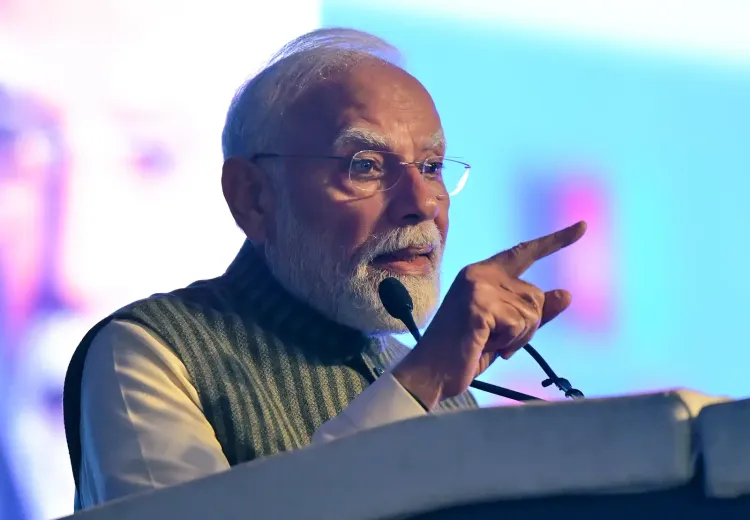
PM Modi inaugurates SCO Civilisational Dialogue Forum at Purana Qila
Synopsis
India hosted the SCO's first-ever Civilisational Dialogue Forum at a Mahabharata-era fort in New Delhi — and Modi used it to pitch a sweeping vision that links 5,000-year-old trade routes to AI-powered manuscript translation. At a time when several SCO members are locked in geopolitical friction, the forum signals India's bet that soft-power and cultural ties can outlast political tensions.
Key Takeaways
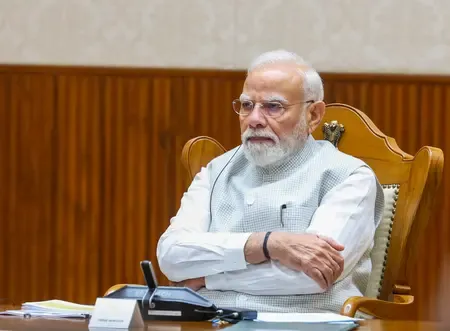
PM Narendra Modi inaugurated the first-ever SCO Civilisational Dialogue Forum at Purana Qila, New Delhi on 20 November 2026 .
Modi described civilisational dialogue as more powerful than empires in transforming global thought, calling cultural connections the strongest guarantee of world peace .
He traced 5,000 years of exchange — from the Indus Valley–Mesopotamia trade to the Silk Route — linking India, China, Central Asia and Eurasia.
Proposals included joint digitisation of ancient manuscripts , AI-driven translation, heritage circuits, university exchanges and cultural festivals across SCO states.
Modi anchored his address in Vasudhaiva Kutumbakam , framing national and global welfare as inseparable.
The forum adds a formal civilisational and cultural track to the SCO's existing security, economy and connectivity pillars after 25 years of the bloc's existence.
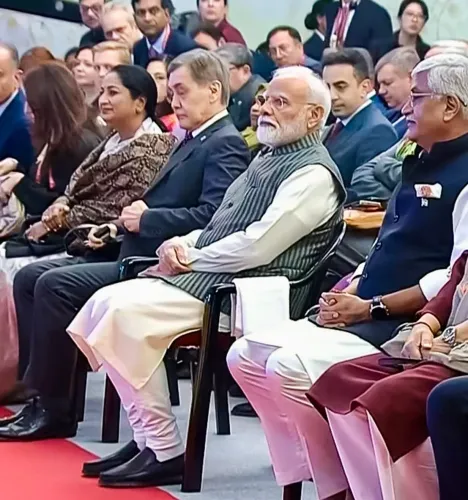
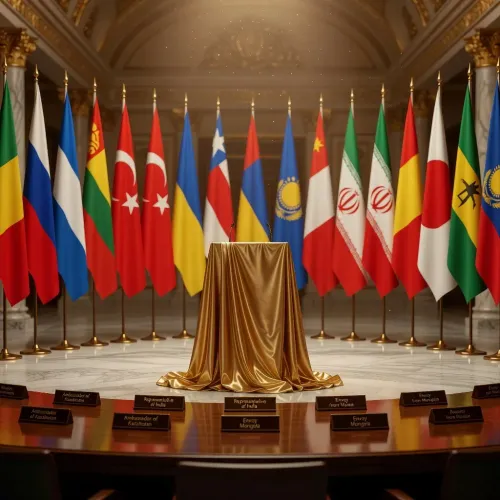
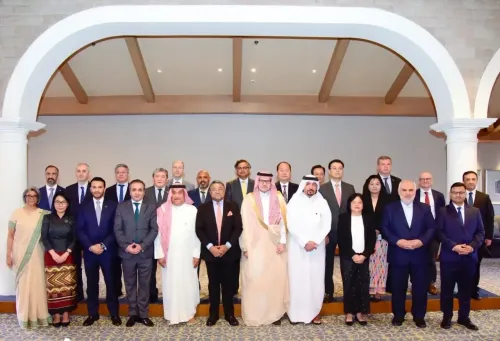
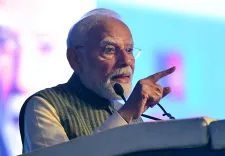
Prime Minister Narendra Modi on Thursday, 20 November 2026, inaugurated the first-ever Shanghai Cooperation Organisation (SCO) Civilisational Dialogue Forum at the historic Purana Qila in New Delhi, declaring that while empires may redraw maps, civilisational dialogues hold the power to transform and enrich global thought. The forum, attended by ministers, ambassadors, scholars, artists and guests from SCO member states, marks a significant cultural dimension added to the bloc's traditional security and economic mandate.
More Than Ceremony: Setting the Stage
Modi described the summit as far more than a ceremonial platform, arguing it can help give direction to the world at a moment when global discourse is dominated by conflict and unrest. He highlighted cultural connections as the strongest guarantee of lasting world peace, noting that the forum builds on 25 years of SCO cooperation in security, economy and connectivity.
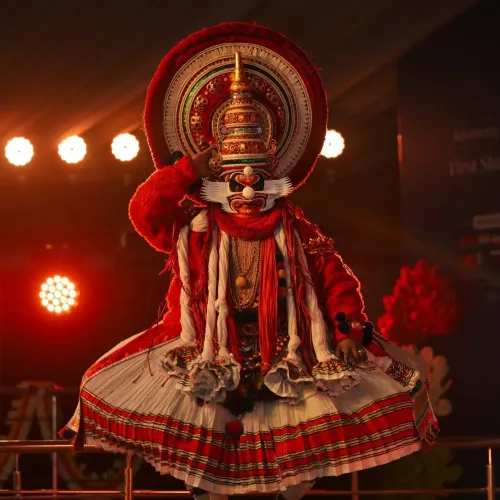
The choice of venue carried symbolic weight. Purana Qila's history is linked by scholars to the Mahabharata era. Cultural performances, Vedic recitations and presentations of Buddhist philosophy at the site, Modi said, conveyed universal messages of love, unity and human welfare that transcend national borders.
Centuries of Exchange: The Historical Thread
Modi traced a sweeping arc of cross-civilisational exchange — from trade links between the Indus Valley Civilisation and Mesopotamia some 5,000 years ago, to the Silk Route networks that once connected India, China, Central Asia and Eurasia. He cited scholars and travellers such as Faxian, Xuanzang, Yijing and Kumarajiva, along with learning centres like Nalanda, Kucha and Dunhuang, as nodes that enriched civilisations through the free flow of ideas, languages and Buddhist texts.
Concrete examples of knowledge transfer followed: India's Panchatantra travelled into Persian and Arabic as Kalila wa Dimna; the Ramayana shaped literature and arts across Southeast Asia; the mathematical ideas of Brahmagupta reached Baghdad and were advanced by scholars including Al-Khwarizmi; and Central Asian Maqam traditions intertwined with Indian Ragas, while garden designs from Samarkand and Herat influenced the Charbagh style that would later define Mughal landscapes.
Digital Tools and AI: The 21st-Century Silk Route
Turning to modern possibilities, Modi observed that 21st-century technology has created unprecedented opportunities for cultural connectivity — routes that once took months to travel can now connect people within seconds through digital platforms. He urged SCO countries to fully harness these tools for knowledge sharing, cultural exchange and collaboration.
Specifically, he proposed joint efforts to digitise and translate ancient manuscripts, rare texts and artefacts preserved in museums, libraries and archives across member states. He also called for collaborative research projects designed to allow young people anywhere in the world to engage more deeply with another nation's heritage. Artificial intelligence, he added, can accelerate the translation of literary and intellectual works currently available only in limited languages.
Key Proposals and Vasudhaiva Kutumbakam
Beyond digitisation, Modi called for joint museum exhibitions, university exchanges, heritage circuits linking Silk Route and Buddhist sites, cultural festivals and artist collaborations involving local artisans. He stressed the role of younger, tech-savvy generations in carrying the dialogue forward through digital media and creative platforms.
Rooting his vision in the Indian philosophy of Vasudhaiva Kutumbakam — the idea that the entire world is one family — he said the aspiration for national welfare is inseparable from global wellbeing. Mutual harmony and trust, built on shared commonalities and respect for diversity, he argued, form the foundation of lasting peace. He concluded with the Vedic invocation to walk together, speak together and achieve harmony of thought.
The forum represents the first time the SCO has formally convened a dedicated civilisational dialogue track, potentially opening a new avenue for soft-power diplomacy among its member states as geopolitical tensions persist across several bilateral relationships within the bloc.
Point of View
And India and Pakistan — carry unresolved bilateral friction into every SCO room. By centering the conversation on shared heritage rather than contested borders, New Delhi is attempting to carve out a leadership role that sidesteps the security stalemates. The Vasudhaiva Kutumbakam framing is strategically useful, but the harder question is whether a forum built on ancient commonalities can generate any binding impetus among nations with sharply divergent present-day interests. Civilisational goodwill has never reliably constrained geopolitical rivalry — and within this bloc, the evidence for optimism is thin.
NationPress
20 Nov 2026
Frequently Asked Questions
What is the SCO Civilisational Dialogue Forum inaugurated by PM Modi?
It is the first formal cultural and civilisational dialogue track within the Shanghai Cooperation Organisation, inaugurated by Prime Minister Narendra Modi at Purana Qila in New Delhi on 20 November 2026. The forum aims to complement the SCO's existing security, economic and connectivity pillars by fostering cultural exchange, manuscript digitisation and heritage collaboration among member states.
Why was Purana Qila chosen as the venue?
Purana Qila was chosen for its deep historical resonance — scholars link the site's history to the Mahabharata era, making it a symbolic setting for a forum on civilisational exchange. Cultural performances, Vedic recitations and presentations of Buddhist philosophy were held there to underscore the universality of the dialogue's themes.
What specific proposals did PM Modi make at the forum?
Modi proposed joint digitisation and translation of ancient manuscripts, rare texts and artefacts held in museums and archives across SCO states, collaborative research projects for youth, AI-driven translation of literary works, joint museum exhibitions, university exchanges, Silk Route and Buddhist heritage circuits, cultural festivals and artist collaborations involving local artisans.
How does this forum relate to the broader SCO framework?
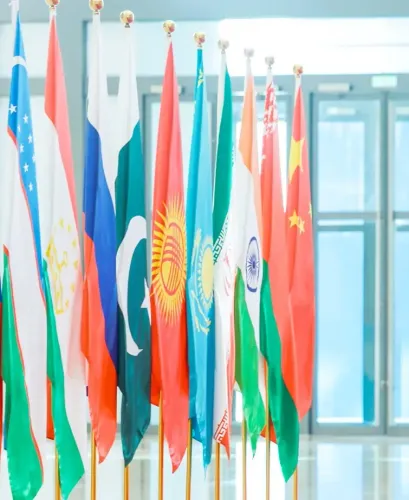
The SCO was founded 25 years ago with a focus on security, economy and regional connectivity. The Civilisational Dialogue Forum adds a new soft-power dimension to that mandate, recognising cultural and historical ties among member states spanning India, China, Russia, Pakistan, Central Asian nations and beyond.
What is Vasudhaiva Kutumbakam and why did Modi invoke it?
Vasudhaiva Kutumbakam is an ancient Indian philosophical concept meaning 'the entire world is one family.' Modi invoked it to argue that national welfare and global wellbeing are inseparable, framing India's civilisational outreach within a tradition of inclusive, universal thought rather than narrow nationalism.