CJI Surya Kant pulls up lawyer in Rahul Gandhi assets case, halts live stream
Synopsis
CJI Surya Kant didn't just rebuke a lawyer Tuesday — he cut off the live stream. A BJP worker's disproportionate assets complaint against Rahul Gandhi became the backdrop for a sharp Supreme Court signal: urgent mentioning in politically charged cases is not a media opportunity, and the court is willing to act on that.
Key Takeaways
CJI Surya Kant reprimanded a lawyer on 27 October 2026 for seeking urgent listing of a disproportionate assets case against Rahul Gandhi .
The CJI questioned whether the mentioning was intended to generate media attention, asking: 'Have you spoken to any news channel for this?' CJI Kant directed court staff to discontinue live streaming of mentioning proceedings going forward.
The case was filed by Karnataka-based BJP worker S.
Vignesh Shishir , alleging Gandhi held assets disproportionate to known income.
The Supreme Court had in August stayed Allahabad High Court proceedings and restrained the CBI and ED from submitting reports in the matter.
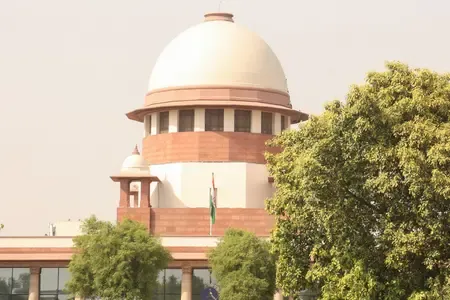
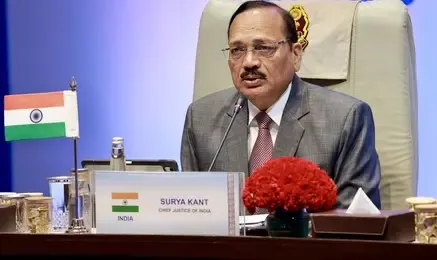
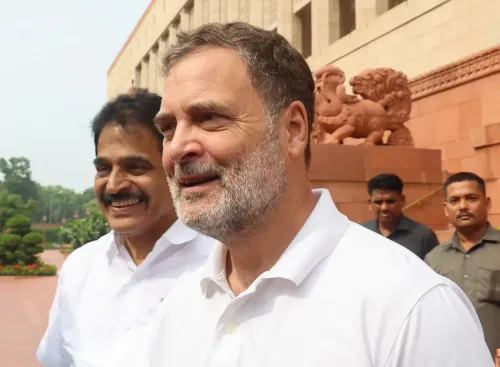
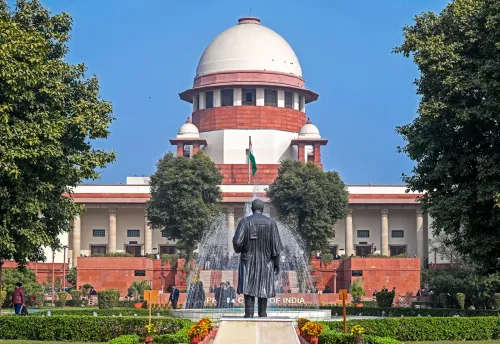
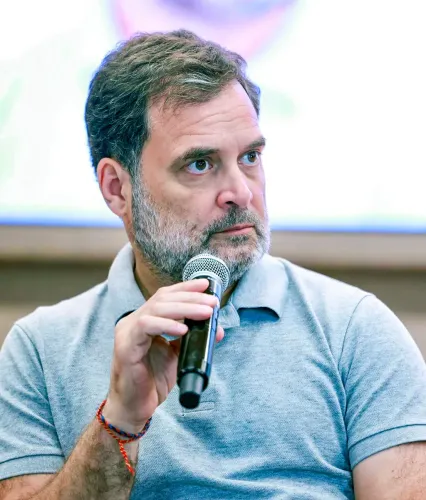
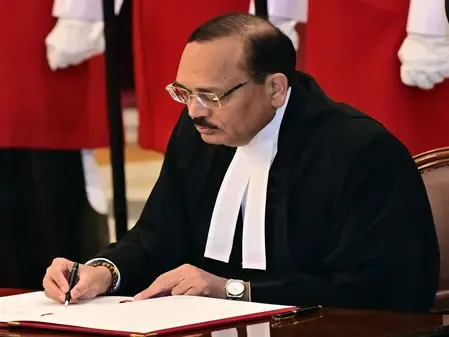
Chief Justice of India (CJI) Surya Kant on Tuesday, 27 October 2026, publicly reprimanded a lawyer who sought an urgent listing of a disproportionate assets case against Rahul Gandhi, Leader of Opposition in the Lok Sabha, questioning whether the move was designed more for media exposure than legal merit. The sharp rebuke came during mentioning proceedings at the Supreme Court in New Delhi.
What Happened in Court
The lawyer sought an early hearing on the grounds that Gandhi had recently claimed at a public event that he was in contact with 200 officials of the Enforcement Directorate (ED) and the Central Bureau of Investigation (CBI). CJI Kant was visibly unimpressed, remarking, 'There is no head, no tail to this mentioning.' He further asked the lawyer pointedly, 'Have you spoken to any news channel for this?' — a question that underscored the court's suspicion that the mentioning was orchestrated for publicity rather than legal urgency.
Live Streaming Suspended
Following the exchange, CJI Kant orally directed court staff to discontinue live streaming of mentioning proceedings going forward. The directive represents a notable step toward curbing what the court evidently views as an exploitation of live-court access for generating media attention around politically charged matters.
Background of the Case
The disproportionate assets case originates from a complaint filed by S. Vignesh Shishir, a Karnataka-based Bharatiya Janata Party (BJP) worker, who alleged that Gandhi possessed assets disproportionate to his known sources of income. The matter had been listed before the Allahabad High Court, which had directed the CBI and the ED to verify the allegations.
Gandhi subsequently approached the apex court challenging those directions, and also filed a separate transfer petition seeking to move the proceedings from the Allahabad High Court to the Delhi High Court. In August, the Supreme Court stayed the High Court proceedings and restrained both central agencies from submitting any report to it. The court also clarified that if any agency independently has knowledge of disproportionate assets belonging to any individual, it retains the authority to act on its own without requiring a court directive.
Significance and Broader Context
This is not the first time the Supreme Court has expressed concern over the use of urgent mentioning in politically sensitive cases as a vehicle for media amplification. The court's decision to suspend live streaming of mentioning proceedings signals a firm institutional response to what it sees as an abuse of process. Notably, the disproportionate assets case itself remains effectively stayed at the apex court level, with no fresh directions issued to investigating agencies.
The episode raises broader questions about the intersection of judicial proceedings and political timing, particularly with opposition leaders as subjects of complaint-based cases filed by ruling-party affiliates. The next substantive hearing in the matter is awaited, with the Supreme Court's stay on Allahabad High Court proceedings still in force.
Point of View
With the court's own live-stream serving as the amplifier. Suspending that live stream for mentioning proceedings is a proportionate corrective, but it does not address the underlying incentive — filing complaint-based cases against opposition figures, then using every procedural step to generate headlines. The disproportionate assets case against Gandhi has been effectively stayed for months; what the lawyer sought Tuesday had no legal urgency, only political timing. The court's response was right, but the pattern will persist until the cost of frivolous urgent mentioning is made tangible through costs or contempt proceedings.
NationPress
27 Oct 2026
Frequently Asked Questions
Why did CJI Surya Kant reprimand the lawyer in the Rahul Gandhi case?
CJI Surya Kant reprimanded the lawyer because the grounds cited for seeking an urgent listing of the disproportionate assets case lacked legal merit, leading the court to question whether the move was intended to attract media coverage rather than advance genuine legal proceedings.
What is the disproportionate assets case against Rahul Gandhi?
The case stems from a complaint by Karnataka-based BJP worker S. Vignesh Shishir, who alleged that Rahul Gandhi possessed assets disproportionate to his known sources of income. The Allahabad High Court had directed the CBI and ED to verify the allegations, but the Supreme Court subsequently stayed those proceedings.
What action did the Supreme Court take on live streaming?
CJI Surya Kant orally directed court staff to discontinue live streaming of mentioning proceedings following the exchange with the lawyer. The move is aimed at preventing such proceedings from being used as a platform for media amplification.
What is the current status of the case?
The Supreme Court's stay on Allahabad High Court proceedings remains in force. The court has also restrained the CBI and ED from submitting any report to the High Court. Gandhi's transfer petition seeking to shift the case to the Delhi High Court is also pending before the apex court.
Why did the lawyer cite Rahul Gandhi's remarks about ED and CBI officials?
The lawyer contended that Gandhi's recent public claim of being in contact with 200 ED and CBI officials warranted an urgent hearing. The Supreme Court dismissed this as insufficient grounds, finding no legal urgency in the submission.