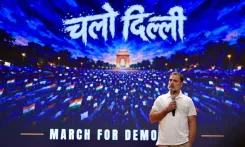
CJP gives Delhi Police 24-hour ultimatum for Jantar Mantar protest
Synopsis
The CJP has handed Delhi Police a 24-hour deadline to grant permission for a Jantar Mantar protest against CEC Gyanesh Kumar — a day after Co-Convenor Ashutosh Ranka was released from preventive custody. With the party alleging 'peak authoritarianism' and claiming the agitation has been turned into a fight with PM Modi and Amit Shah, the next 24 hours could set the tone for a sharper escalation.
Key Takeaways
The Cockroach Janta Party (CJP) gave Delhi Police a 24-hour ultimatum on 12 October to respond to its Jantar Mantar protest request.
Co-Convenor Saurav Das said the party had left the choice of date and time entirely to police, but warned the matter could not be kept pending indefinitely.
Co-Convenor Ashutosh Ranka personally visited Parliament Street Police Station to seek a protest date.
Ranka was released by a Delhi court on Sunday after a preventive arrest, and alleged 'peak authoritarianism' over the preceding 72 hours .
The CJP claims the protest, initially directed at CEC Gyanesh Kumar , has been turned by the government into a broader confrontation.
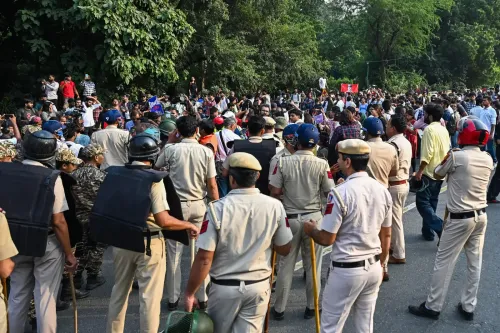
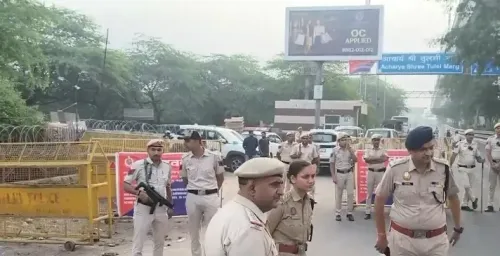
The Cockroach Janta Party (CJP) on Monday, 12 October issued a 24-hour ultimatum to the Delhi Police to respond to its request for permission to hold a demonstration at Jantar Mantar, as the party pressed ahead with its agitation against Chief Election Commissioner (CEC) Gyanesh Kumar. The standoff marks the latest flashpoint in an escalating confrontation between the CJP and law enforcement over the right to protest at a designated public site.
The Ultimatum
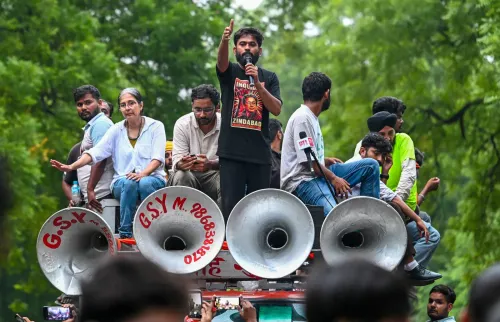
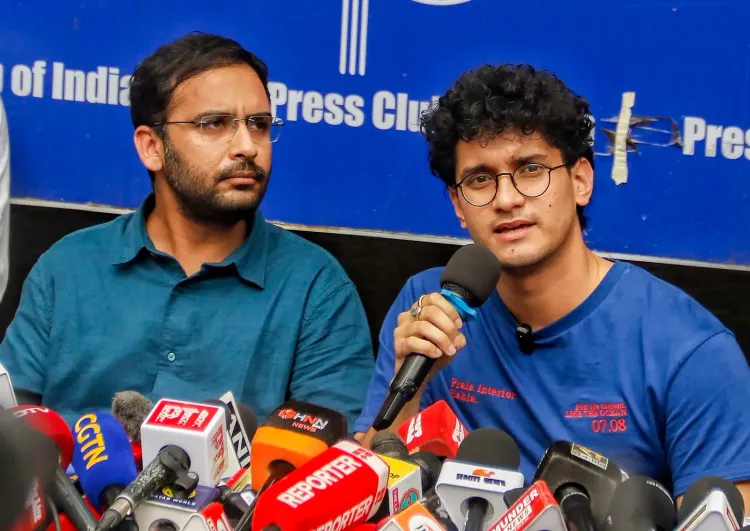
CJP Co-Convenor Saurav Das said peaceful protest was a constitutional right that citizens would continue to exercise, regardless of the outcome. He noted that the party had taken the unusual step of leaving the choice of date and time entirely to the police, but warned that the request could not be kept in limbo.
'Peaceful protest is a right, a constitutional right, and people are already exercising it. People will continue to hold peaceful protests. The police always complain that we should approach them 10 days in advance. This time, we have left the choice to them and asked them to suggest a date and time for our protest. We are leaving everything to them, but we are also saying that they should not keep the matter pending indefinitely. We will give them a 24-hour ultimatum. Let us see what happens after we speak to them,' Das said.
Party Approaches Parliament Street Police Station
CJP Co-Convenor Ashutosh Ranka arrived at the Parliament Street Police Station to formally seek the protest date. He echoed Das's position, saying the party hoped police would respond positively — but was prepared to escalate if they did not.
'We are going to ask Delhi Police for a date to hold a protest at Jantar Mantar. We hope the police will give us a date. If they do not, we will make another call within 24 hours…' Ranka said.
Background: Arrests and Allegations of Authoritarianism
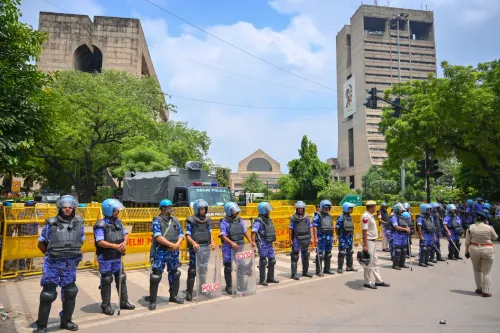
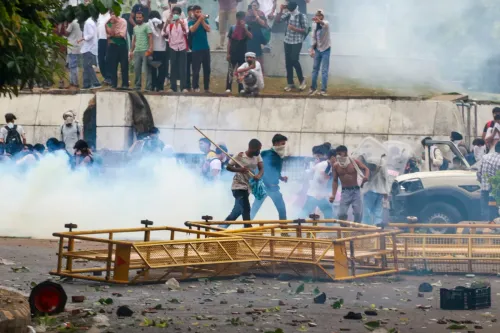
The ultimatum comes a day after Ranka was released by a Delhi court following a preventive arrest, after which he addressed a press conference on Sunday and described the preceding 72 hours as 'peak authoritarianism' in India. He claimed that 'thousands of peaceful protesters' who had sought to agitate at a designated protest site were detained from across the country.
Ranka also alleged that what began as an agitation specifically against the Election Commission and CEC Gyanesh Kumar had been broadened into a confrontation with the government at large. 'One thing has become clear: the fight that was against the Election Commission and Chief Election Commissioner Gyanesh Kumar has been turned by PM Modi and Amit Shah into a fight against themselves,' he claimed.
What Happens Next
The Delhi Police's response — or lack thereof — within the stated 24-hour window will determine the CJP's next move. If permission is denied or left unaddressed, the party has indicated it will make 'another call,' suggesting further escalation is likely. The standoff has drawn attention to longstanding tensions over protest permissions at Jantar Mantar, which has historically served as a focal point for demonstrations in the capital.
Point of View
A court release, and now a formal ultimatum all within 72 hours. Whether or not the Jantar Mantar permission is granted, the CJP appears to be building a political narrative around state suppression of dissent — one that could carry more traction than the original CEC-focused protest. The broader question of who controls the public protest space in Delhi, and on what terms, remains unresolved.
NationPress
12 Oct 2026
Frequently Asked Questions
Why is the CJP protesting against CEC Gyanesh Kumar?
The Cockroach Janta Party (CJP) has been holding an agitation against Chief Election Commissioner Gyanesh Kumar, though the party has not detailed its specific grievances in these latest statements. CJP leaders claim the protest, initially directed at the Election Commission, has been widened into a confrontation with the government following recent police action against demonstrators.
What is the CJP's 24-hour ultimatum to Delhi Police?
The CJP has asked Delhi Police to respond within 24 hours to its request for permission to hold a demonstration at Jantar Mantar. The party has left the choice of date and time to the police but warned it will escalate if the matter is kept pending indefinitely.
Why was CJP Co-Convenor Ashutosh Ranka arrested?
Ranka was detained in a preventive arrest in the lead-up to the planned protest. He was released by a Delhi court on Sunday, 11 October, after which he alleged that thousands of peaceful protesters had been detained across the country in what he described as 'peak authoritarianism' over 72 hours.
What happens if Delhi Police does not respond within 24 hours?
CJP Co-Convenor Ashutosh Ranka has indicated the party will 'make another call within 24 hours' if police do not grant a protest date, suggesting the party is prepared to escalate its campaign further.
Where is Jantar Mantar and why is it significant for protests?
Jantar Mantar is a designated protest site in central New Delhi that has historically served as a focal point for public demonstrations in the capital. Activists and political parties are required to obtain police permission to hold gatherings there.