Muslim cleric brands Taslima Nasreen's madrasa remarks 'hate speech', demands she leave India
Synopsis
Taslima Nasreen's call at a Kolkata event for madrasas to cease existing — and her allegations of abuse within them — drew an immediate and fierce rebuke from a senior Muslim cleric in Bareilly, who labelled the remarks 'hate speech' and demanded she be denied a place in India. The clash surfaces deep fault lines over religious education, the UCC, and the boundaries of permissible dissent.
Key Takeaways
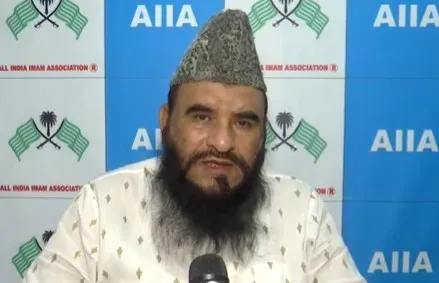
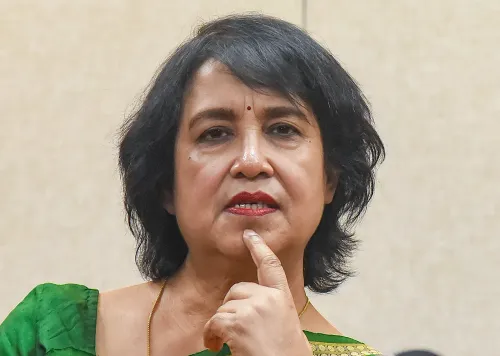
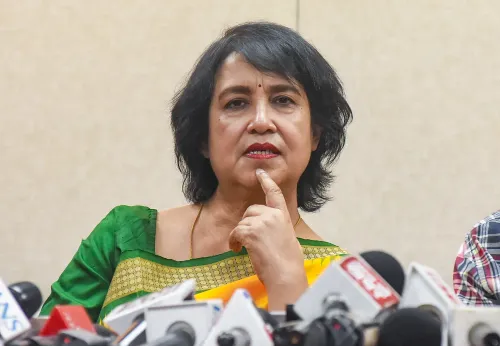
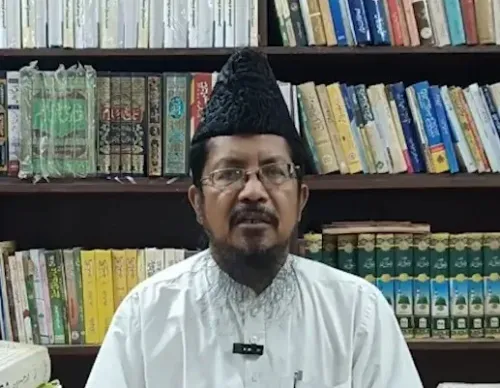
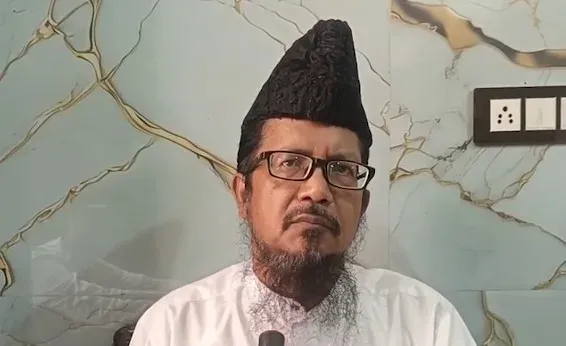
All India Muslim Jamaat President Maulana Shahabuddin Razvi Bareilvi on Monday condemned Taslima Nasreen's madrasa remarks as 'hate speech.' Nasreen, at a Kolkata event on Sunday , alleged madrasas 'should not exist,' claiming some produce 'jihadis' and are sites of child abuse.
Razvi cited madrasa scholars' role in India's freedom struggle from 1857 to 1947 and invoked the Supreme Court's ban on hate speech.
Nasreen also advocated for a Uniform Civil Code in India; Razvi said Muslims 'will not comply' with the UCC, calling it interference in Sharia.
Razvi demanded Nasreen be denied asylum in India, criticising organisations that hosted her as Chief Guest in Kolkata .
All India Muslim Jamaat President Maulana Shahabuddin Razvi Bareilvi on Monday launched a sharp condemnation of exiled Bangladeshi author Taslima Nasreen over her remarks on madrasas, labelling them 'hate speech' and declaring that she 'should not have any place in India.' The cleric's response, issued from Bareilly, came a day after Nasreen made the comments at an event in Kolkata.
What Taslima Nasreen Said
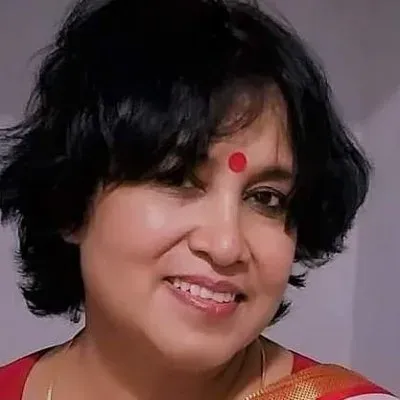
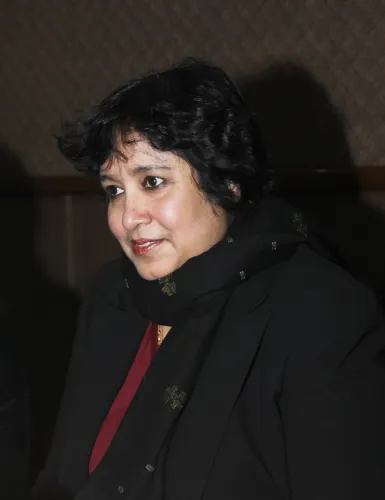
At a public event in Kolkata on Sunday, Nasreen stated that, in her view, madrasas 'should not exist,' alleging that some of these institutions were producing 'jihadis' and were also witnessing incidents of child abuse. 'Child abuse, rapes are being committed there,' she further alleged. Nasreen also used the occasion to advocate for a Uniform Civil Code (UCC) in India, arguing that such legislation was essential to eliminate discrimination — particularly against women — and called on neighbouring Bangladesh and Pakistan to adopt similar laws.
Razvi's Rebuttal: History and Hate Speech
Responding to Nasreen's madrasa remarks, Razvi said, 'Islam teaches women dignity, respect, etiquette, and culture. Islam is a religion that granted women rights, stature, and honour, respect they do not receive elsewhere... Today, Taslima Nasrin is raising questions?' He invoked the historical record, arguing that madrasa students and Islamic scholars had played a pivotal role in India's independence movement from 1857 to 1947. 'Today, those very people are being called terrorists, madrasas are being called the originators of terrorism. Taslima should be ashamed,' he said. Razvi further contended that the Supreme Court has imposed a complete ban on hate speech and that Nasreen's remarks fell squarely within that prohibition.
Cleric's Stand on Uniform Civil Code
On Nasreen's endorsement of the UCC, Razvi was unequivocal: 'The UCC has been introduced in Uttarakhand and implemented in Assam, Gujarat, and Madhya Pradesh. This UCC is essentially an interference in Sharia; Muslims cannot tolerate interference in Sharia and will not comply with the UCC.' The statement reflects a position widely held among several Muslim clerical bodies, who have consistently opposed UCC implementation since it gained legislative traction.
Nasreen's Status in India and the Cleric's Demand
Razvi also questioned the circumstances of Nasreen's continued presence in India, pointing to her exile from Bangladesh. 'Taslima Nasreen is the same author who writes against Islam and Muslims. She should not have any place in India. However, it is unfortunate that there are many organisations here that are giving her asylum. The more unfortunate thing is that she was made a Chief Guest at an event in Kolkata,' he said. Notably, Nasreen has lived in exile for decades after facing threats and legal cases in Bangladesh over her writings, and has periodically resided in India with the support of various civil society groups. The episode adds to a recurring pattern of controversy that has followed Nasreen's public appearances in India, where her views on religion and gender frequently draw sharp reactions from religious leaders. How authorities respond to the cleric's demand — and whether Nasreen faces any formal action — will be closely watched in the coming days.
Point of View
But the timing matters: it arrives as the UCC debate has moved from political rhetoric to legislative reality in several states, giving both sides sharper ammunition. Razvi's invocation of the Supreme Court's hate speech ruling is a strategic legal framing, not just a moral objection — it signals an intent to seek formal redress. What mainstream coverage misses is that Nasreen's remarks, however provocative, were made at an organised public event where she was the invited Chief Guest, raising questions about the institutional choices of her hosts as much as about her own views. The deeper tension is whether India's public discourse can accommodate radical secularist critique of religious institutions without it collapsing into communal flashpoints.
NationPress
17 Sept 2026
Frequently Asked Questions
What did Taslima Nasreen say about madrasas?
At a public event in Kolkata on Sunday, Taslima Nasreen stated that madrasas 'should not exist,' alleging that some were producing 'jihadis' and were sites of child abuse and rape. She also called for the implementation of a Uniform Civil Code in India, Bangladesh, and Pakistan.
Why did Maulana Shahabuddin Razvi Bareilvi call her remarks 'hate speech'?
Razvi argued that Nasreen's comments misrepresented madrasas and their historical contribution to India's freedom struggle from 1857 to 1947. He contended that the Supreme Court has banned hate speech and that her remarks fell within that prohibition, and demanded she be denied a place in India.
What is Taslima Nasreen's background and why is she in India?
Taslima Nasreen is a Bangladeshi author who has lived in exile for decades after facing threats and legal cases in Bangladesh over her writings on religion and gender. She has periodically resided in India with the support of various civil society organisations.
What did Razvi say about the Uniform Civil Code?
Razvi said the UCC, already introduced in Uttarakhand and implemented in Assam, Gujarat, and Madhya Pradesh, amounts to interference in Sharia law. He stated that Muslims 'cannot tolerate interference in Sharia and will not comply with the UCC.'
Who is Maulana Shahabuddin Razvi Bareilvi?
Maulana Shahabuddin Razvi Bareilvi is the President of the All India Muslim Jamaat, a Muslim religious organisation based in Bareilly, Uttar Pradesh. He is a prominent cleric who frequently comments on issues concerning Muslims in India.