CM Bhagwant Mann Chairs Paddy Procurement Review in Chandigarh
Synopsis
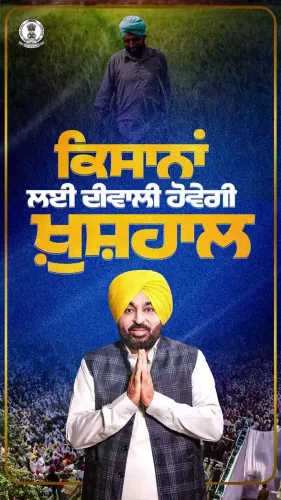
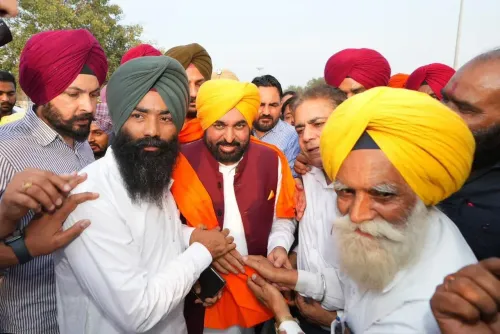
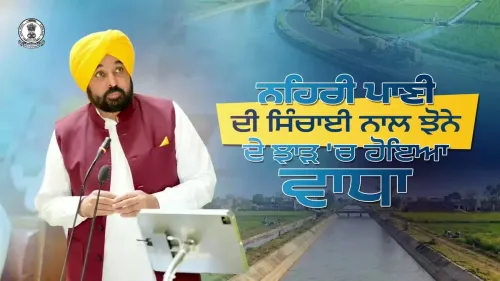
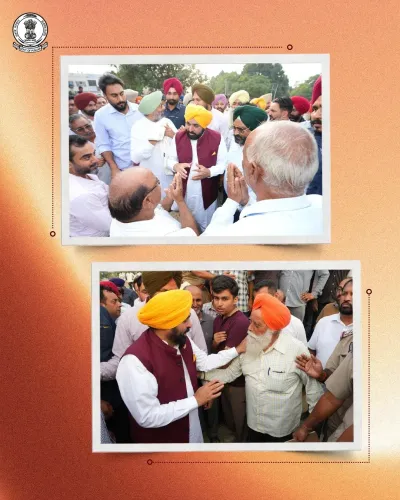
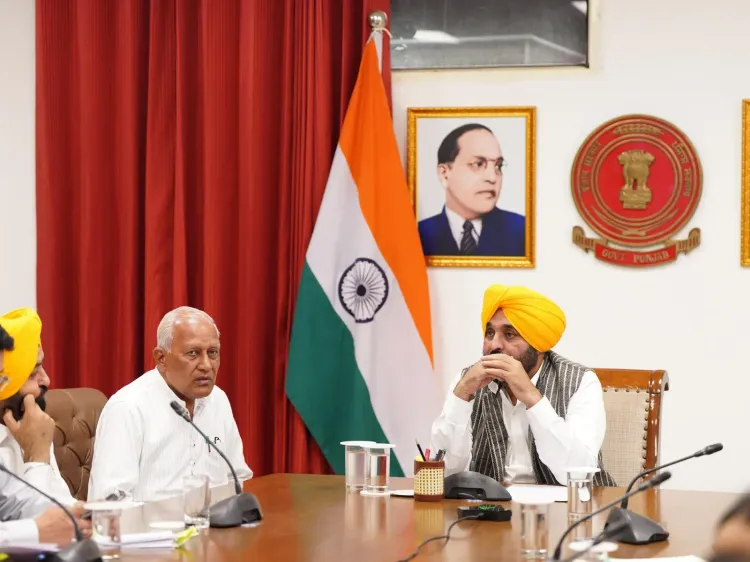
Punjab CM Bhagwant Mann chaired a high-level meeting in Chandigarh with senior officers and all Deputy Commissioners, issuing strict orders for seamless paddy purchase at mandis, timely grain lifting, and prompt MSP payments to ensure no farmer faces hardship this kharif season.
Key Takeaways
Punjab CM Bhagwant Mann held an in-season paddy procurement review in Chandigarh on November 11, 2026 .
All Deputy Commissioners and senior state officers were called to attend the meeting.
Officials received strict orders for uninterrupted mandi purchase , timely grain lifting, and immediate payment to farmers.
Mann declared Punjab is 'fully committed to procuring every last grain' of the kharif paddy harvest.
Punjab supplies a major share of India's central foodgrain buffer stock through state-coordinated MSP procurement.
The AAP government's 2022 manifesto included a pledge to ensure timely MSP payments and reduce farmer distress during procurement.
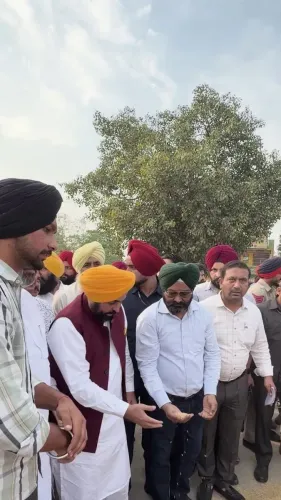
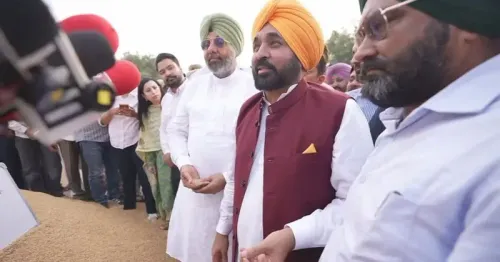
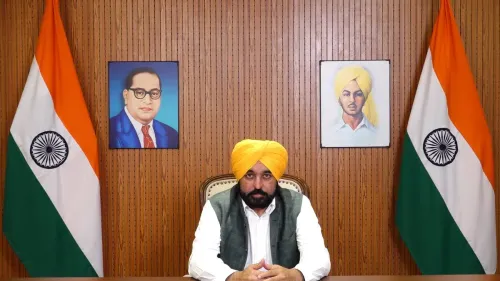
With Punjab's kharif harvest moving through the mandis at full pace, Punjab Chief Minister Bhagwant Mann convened a high-level review meeting in Chandigarh on Wednesday, November 11 — summoning senior officers and all Deputy Commissioners to enforce zero-tolerance standards on crop procurement, lifting timelines, and farmer payments.
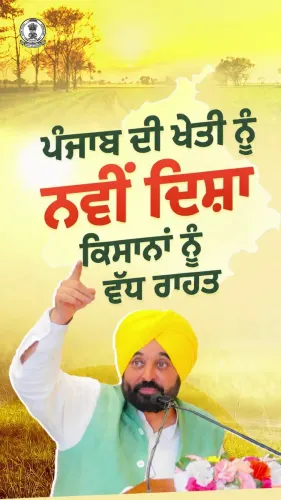
Posting on X in Punjabi, Mann left no ambiguity about what his administration expects: 'ਕਿਸਾਨਾਂ ਨੂੰ ਕੋਈ ਖੱਜਲ-ਖੁਆਰੀ ਨਾ ਹੋਵੇ' — 'farmers must face no harassment.' He directed officials to ensure uninterrupted purchase of paddy at mandis, timely lifting of the harvested grain, and prompt payment to growers. The Punjab government, he declared, is 'fully committed to procuring every last grain of its annadata' — the providers of food.
What the Chandigarh meeting demanded from DCs
The meeting placed Deputy Commissioners — the district-level officers who sit at the operational nerve-centre of state procurement — directly in the Chief Minister's line of sight. Mann's instructions had three hard edges: seamless purchase at the mandi gate, no backlog in lifting grain from procurement centres, and instant credit to farmer accounts. Each element targets a specific point where previous kharif seasons have historically broken down — clogged mandis, slow Food Corporation of India offtake, and payment delays that force farmers to wait weeks for their MSP credit.
Punjab's outsized role in India's foodgrain pool
The stakes behind a routine review meeting are anything but routine. Punjab contributes a disproportionately large share of the wheat and rice that fills India's central buffer stock — the food security backbone for the country's public distribution system. The state's paddy procurement machinery, running every October and November, is one of the most consequential agricultural operations anywhere in South Asia. A bottleneck in a single district can ripple into national stock calculations.
Punjab governments across party lines have held pre-procurement and in-season review meetings with DCs for decades, using them to signal political will to the farm community and to pre-empt on-ground chaos. The Aam Aadmi Party government, which came to power in March 2022, made timely MSP payments and reduced farmer distress a headline pledge in its manifesto. Mann's Wednesday session is a continuation of that direct-oversight pattern — the Chief Minister visibly in the chair, officers on notice.
What farmers and watchers will track next
The proof of Wednesday's directives will arrive in the numbers: procurement data, lifting pace, and payment-credit status from the state government and central agencies over the coming weeks of the kharif season. For Punjab's paddy farmers, the ask is straightforward — that grain arriving at the mandi leaves quickly, and the money arrives faster. Mann has now publicly staked the government's credibility on exactly that outcome.
Point of View
The farm vote is foundational, and any mandi breakdown becomes an immediate opposition talking point. By issuing public, attributable directives on lifting and payment timelines, the Chief Minister creates an accountability chain that is hard to quietly walk back. The real test, though, is whether the institutional machinery — from state agencies to the Food Corporation of India — can match the political urgency the Chief Minister is projecting.
NationPress
11 Nov 2026
Frequently Asked Questions
Why did Bhagwant Mann hold a paddy procurement meeting on November 11?
Punjab CM Bhagwant Mann convened the meeting in Chandigarh to review the ongoing kharif paddy procurement season, directing all Deputy Commissioners and senior officers to ensure smooth mandi operations, timely grain lifting, and prompt payments to farmers.
What instructions did CM Mann give to Punjab's Deputy Commissioners on paddy procurement?
Mann issued strict orders for three things: uninterrupted purchase of paddy at mandis, no delays in lifting grain from procurement centres, and immediate MSP payments to farmers so they face no hardship.
What is Punjab's role in India's paddy procurement?
Punjab contributes a disproportionately large share of the rice that enters India's central buffer stock, making its annual kharif procurement one of the most consequential agricultural operations in the country.
What does MSP mean for Punjab farmers during paddy procurement?
MSP, or Minimum Support Price, is the government-guaranteed floor price at which state agencies buy paddy from farmers at mandis. Timely payment of MSP directly into farmer accounts is a key demand the Punjab government has committed to meeting.
What should Punjab farmers watch for after this meeting?
Farmers and observers should track official procurement data, grain lifting pace at mandis, and payment-credit status reports from the state government and central agencies over the coming weeks of the kharif season.