CM Bhagwant Mann Hands Out Licences to 2,800 New Ration Depots in Punjab
Synopsis
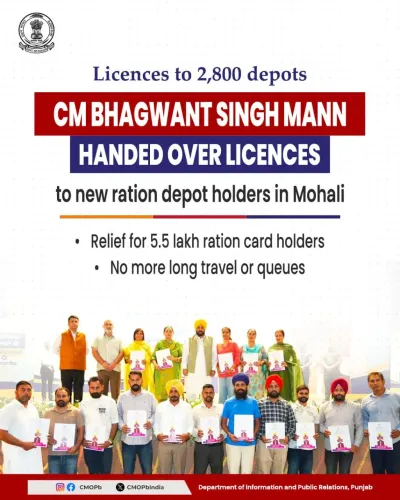
Chief Minister Bhagwant Mann has handed licences to 2,800 new ration depot holders across Punjab, the Chief Minister's Office announced on 20 July 2026. The move is designed to reduce the distance citizens must travel to access subsidised food grains under India's Public Distribution System.
Key Takeaways
2,800 new ration depot licences were handed over personally by Chief Minister Bhagwant Mann .
The expansion targets last-mile delivery gaps in Punjab's Public Distribution System (PDS) .
Punjab's PDS operates under the National Food Security Act, 2013 , which covers the majority of the state's eligible households.
The Aam Aadmi Party government, in power since March 2022 , has framed welfare delivery reform as a central policy commitment.
Key next steps include equipping new depots with e-POS devices and Aadhaar authentication for transparent distribution.
New depot operators gain a government-licensed livelihood while beneficiaries gain closer access to subsidised food supplies.
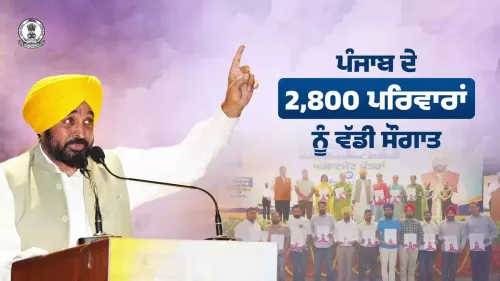
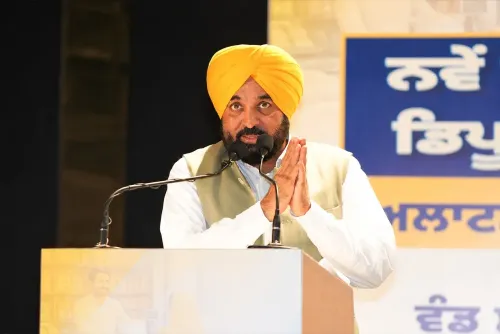
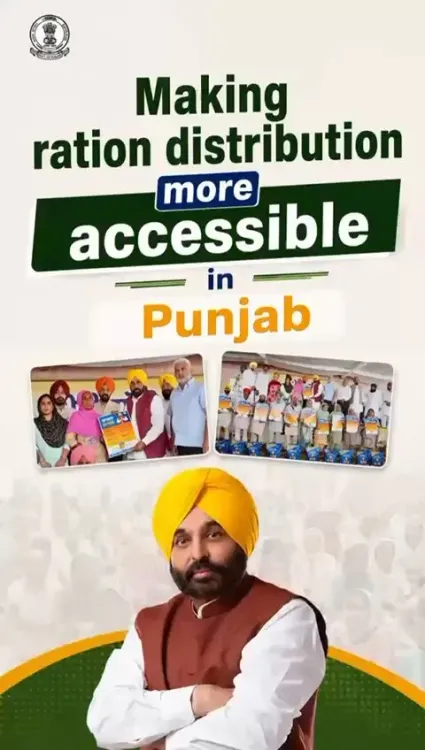
The Chief Minister's Office of Punjab announced on Sunday, 20 July 2026 that Chief Minister Bhagwant Mann has personally handed over licences to 2,800 new ration depot holders across the state, in a move the government says is aimed at bringing essential food supplies closer to citizens' homes.
Context
The official post from the Chief Minister's Office stated that under Mann's leadership, 'the Punjab Government is taking progressive steps towards making ration distribution more accessible for the people of the state.' The handover of licences to 2,800 new fair price shop operators represents one of the largest single expansions of ration depot infrastructure in the state in recent years. The government's stated goal is to ensure 'doorstep convenience for every citizen.'
Punjab's Public Distribution System (PDS) operates under the framework of the National Food Security Act (NFSA), the 2013 central legislation that legally entitles priority households to subsidised food grains. The state's move to expand its depot network directly targets the last-mile delivery gap that has long been a challenge for PDS implementation across India.
Policy Backdrop
India's PDS is among the world's largest food security programmes, covering up to 75 per cent of rural and 50 per cent of urban populations under NFSA entitlements. Expanding the number of fair price shops — commonly called ration depots — is a recognised strategy to reduce the physical distance beneficiaries must travel to collect their monthly allocations of subsidised rice, wheat, and other commodities.
The Aam Aadmi Party (AAP) government in Punjab, in power since March 2022, has consistently positioned welfare delivery reform as a core plank of its administration. Densifying the ration depot network aligns with that platform commitment, mirroring similar expansions undertaken by other state governments seeking to modernise PDS infrastructure.
Stakeholder Impact
The most immediate beneficiaries are ration card holders in areas that were previously underserved by existing fair price shops — particularly in rural and semi-urban pockets where travel to the nearest depot could be a logistical and financial burden for low-income families. The 2,800 new depot operators themselves gain a government-licensed livelihood as authorised distributors of subsidised food grains.
Consumer advocacy groups and welfare economists have long argued that reducing the average distance to a ration depot improves uptake rates and reduces leakage, since beneficiaries are less likely to skip collection or resort to middlemen when a depot is conveniently located. The Punjab government's expansion, if operationalised effectively, could materially improve food security outcomes for vulnerable households across the state.
What's Next
The operational performance of the newly licensed depots will be closely watched — particularly whether they are equipped with electronic Point of Sale (e-POS) devices and Aadhaar-based biometric authentication, which are now standard requirements under central PDS modernisation guidelines. Integration with the national 'One Nation One Ration Card' portability framework will also be a key metric.
Any forthcoming state budget provisions or departmental orders detailing the rollout timeline, geographic distribution of the 2,800 new depots, and grievance redressal mechanisms will determine whether this expansion translates into sustained improvement in food security delivery for Punjab's most vulnerable citizens.
Point of View
800 ration depot licences in a single event is a high-visibility welfare gesture that serves a dual political purpose for the AAP government: it demonstrates tangible delivery on food security promises while creating 2,800 new stakeholders with a direct economic interest in the administration's continuation. Expanding fair price shop density is a proven, evidence-backed strategy for improving PDS uptake, so the policy logic is sound — but the real test will be operational, not ceremonial. If the new depots are not rapidly integrated with e-POS and Aadhaar systems, the expansion risks replicating the leakage problems it is meant to solve. Watched alongside similar moves by other state governments, Punjab's push fits a broader national pattern of states competing on welfare delivery metrics ahead of electoral cycles.
NationPress
20 Jul 2026
Frequently Asked Questions
How many new ration depots has the Punjab government opened?
The Punjab government, under Chief Minister Bhagwant Mann, handed over licences to 2,800 new ration depot holders across the state, as announced on 20 July 2026.
What is the purpose of expanding ration depots in Punjab?
The stated aim is to bring essential food supplies closer to citizens' homes, reducing the distance beneficiaries must travel to collect subsidised food grains under the Public Distribution System.
Which law governs ration distribution in Punjab?
Ration distribution in Punjab, as across India, is governed by the National Food Security Act, 2013 , which entitles eligible households to subsidised food grains through the Public Distribution System.
Who is the Chief Minister of Punjab in 2026?
Bhagwant Mann of the Aam Aadmi Party is the Chief Minister of Punjab. He has held the post since March 2022.
What is One Nation One Ration Card and does it apply in Punjab?
One Nation One Ration Card is a central government scheme allowing PDS beneficiaries to collect their entitled food grains from any fair price shop in India. Punjab's new depots are expected to be integrated into this portability framework as part of the broader PDS modernisation drive.