CM Bhagwant Mann Urges Punjab Voters to Fill SIR Form
Synopsis
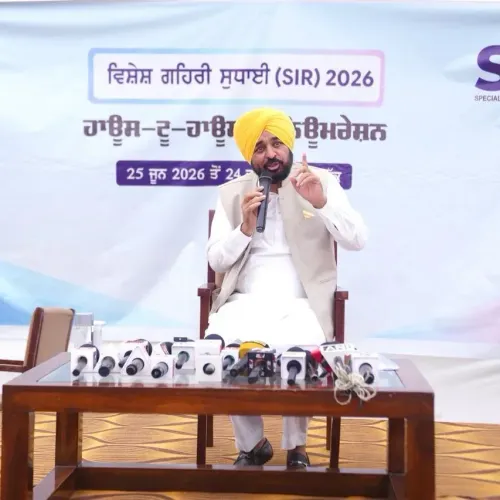
Punjab Chief Minister Bhagwant Mann on 8 July 2026 called on all Punjab residents to fill the SIR form to register their names in the updated voter list, stressing that those absent from the electoral roll cannot exercise their democratic right to vote.
Key Takeaways
Punjab CM Bhagwant Mann posted on 8 July 2026 urging residents to fill the SIR (Special Summary Revision) form for voter list registration.
Citizens whose names are not on the electoral roll are legally barred from voting on polling day.
The Election Commission of India conducts Special Summary Revisions periodically to add new voters, remove duplicates, and update addresses.
Punjab last conducted a major voter roll revision in 2021-22 ahead of the February 2022 Assembly elections.
First-time voters and recently relocated citizens are the primary target audience for this registration drive.
Key deadlines will be set by the Chief Electoral Officer of Punjab ; missing the window means waiting for the next revision cycle.
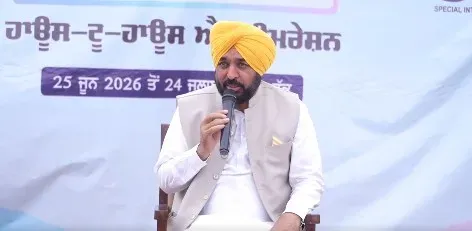
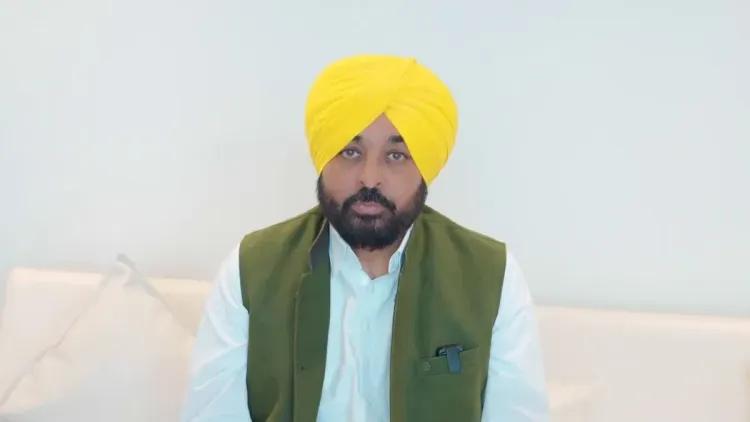
Punjab Chief Minister Bhagwant Mann on Wednesday, 8 July 2026, urged all residents of Punjab to fill the SIR (Special Summary Revision) form to ensure their names are enrolled in the updated voter list, warning that those absent from the electoral roll will be unable to exercise their democratic right to vote.
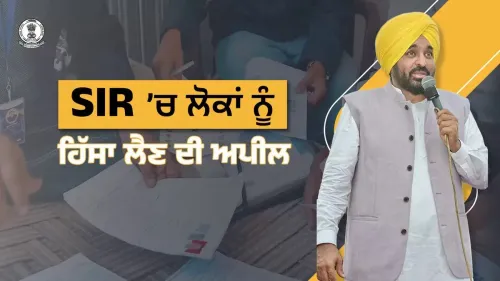
Posting in Punjabi on X, Mann stated: 'ਸਾਡੇ ਪੰਜਾਬ ਵਾਸੀਆਂ ਲਈ ਨਵੀਂ ਵੋਟਰ ਸੂਚੀ ਵਿੱਚ ਨਾਮ ਦਰਜ ਕਰਵਾਉਣ ਲਈ SIR ਫਾਰਮ ਭਰਨਾ ਬਹੁਤ ਜ਼ਰੂਰੀ ਹੈ।' ['For our Punjab residents, filling the SIR form to register your name in the new voter list is very important.'] He added: 'If your name is not on the voter list, you will not be able to exercise your democratic right… Come, let us fill the SIR form on time and secure our right to vote.'
Context
The Special Summary Revision (SIR) is a periodic exercise conducted under the superintendence of the Election Commission of India (ECI) to update electoral rolls — adding new eligible voters, removing duplicates, and correcting address details. Only citizens whose names appear on the final, published electoral roll are legally entitled to vote on polling day.
Mann's appeal underscores the legal deadline-driven nature of such drives: once the revision window closes and the draft roll is published, late registrations cannot be accommodated for the upcoming election cycle. The Chief Minister's direct outreach via social media is aimed at maximising participation, particularly among first-time voters and those who may have recently changed addresses.
Policy Backdrop
The Election Commission of India has a well-established practice of conducting Special Summary Revisions ahead of both Lok Sabha and state Assembly elections. Punjab last saw a major such exercise in 2021-22, ahead of the February 2022 Assembly elections that brought Mann and the Aam Aadmi Party (AAP) to power with a landmark majority.
State governments across India routinely partner with the ECI and the office of the Chief Electoral Officer of the respective state to run public awareness campaigns during revision periods. Such campaigns have been a consistent feature in the run-up to the 2024 general elections and subsequent state polls, with an emphasis on timely submission of forms to avoid disenfranchisement.
Stakeholders and Impact
The primary beneficiaries of this drive are eligible voters in Punjab — particularly first-time voters who turned 18 after the last revision, citizens who have relocated within the state, and those whose names may have been inadvertently omitted from existing rolls. Missing the SIR window directly translates to losing the right to vote in the next election.
For the Aam Aadmi Party government, a robust voter roll also has political implications: a higher registration rate generally signals stronger civic engagement and can influence turnout patterns. The Chief Minister's personal appeal on a high-visibility platform signals the administration's intent to treat electoral participation as a governance priority.
What's Next
The immediate watch-point is the deadline set by the Chief Electoral Officer of Punjab for SIR form submission, followed by a claims-and-objections period before the draft electoral roll is published. Residents who miss the submission window will have to wait for the next revision cycle to register.
If the drive achieves strong uptake, it could set a benchmark for how state administrations use social media outreach to complement ground-level booth-level officer campaigns — a model that may be replicated ahead of future elections across India.
Point of View
Bypassing traditional bureaucratic channels. With Punjab's next electoral cycle on the horizon, a well-padded voter roll serves both democratic health and the ruling party's organisational interests. The emphasis on the SIR deadline also signals the administration's awareness that disenfranchisement — even procedural — can become a political liability.
NationPress
8 Jul 2026
Frequently Asked Questions
What is the SIR form for Punjab voter registration?
The SIR form is used during the Election Commission of India's Special Summary Revision exercise to add, update, or correct entries in the electoral roll. Filling it before the deadline is the only way to ensure your name appears on the final voter list and that you can vote in the next election.
Why is Bhagwant Mann asking people to fill the SIR form?
Punjab Chief Minister Bhagwant Mann is urging residents to fill the SIR form so that eligible voters — especially first-time voters and those who have relocated — are not left off the electoral roll and thereby lose their right to vote.
What happens if I don't fill the SIR form in Punjab?
If your name is not on the final electoral roll, you will not be legally permitted to cast your vote on polling day. You would have to wait until the next revision cycle to register.
Who is eligible to fill the SIR form in Punjab?
Any Indian citizen who is at least 18 years old and is a resident of Punjab — including first-time voters and those who have recently changed their address — is eligible to fill the SIR form to register or update their details on the voter list.
What is the deadline to fill the SIR form in Punjab 2026?
The specific deadline is set by the Chief Electoral Officer of Punjab. Residents should check the official Punjab Chief Electoral Officer's announcements for the exact last date to submit the SIR form.