CM Bhajan Lal: Amit Shah launches Sahkar Van project in Jaipur
Synopsis
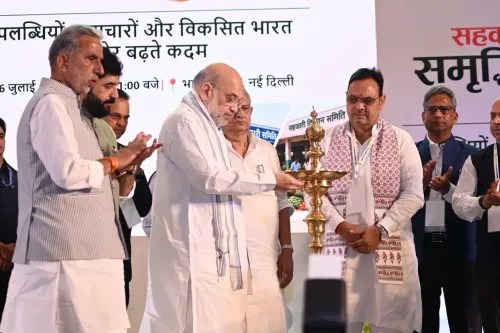
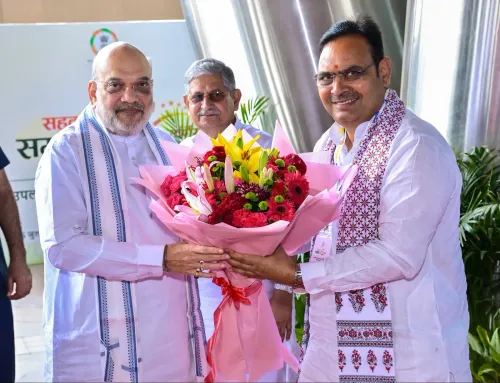
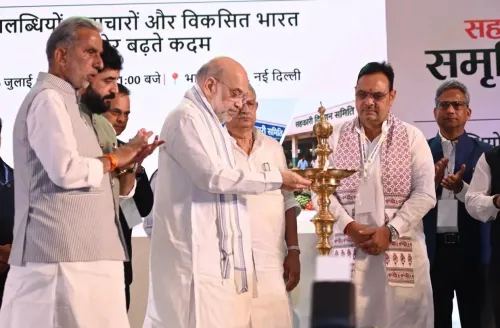
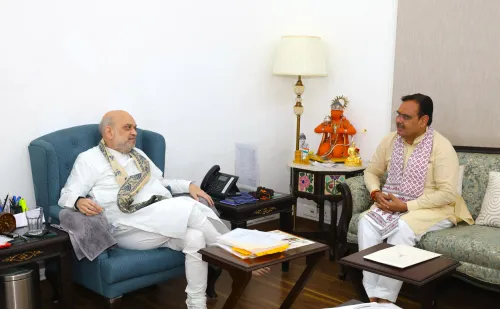
Union Home Minister Amit Shah performed the ground-breaking of the Sahkar Van Pariyojana — a joint Amul-NCCF cooperative afforestation project — at Sumel, Jaipur on 6 July 2026. Rajasthan CM Bhajan Lal Sharma said the initiative will make the state greener and more self-reliant under PM Modi's leadership.
Key Takeaways
Union Home and Cooperation Minister Amit Shah performed the bhoomi pujan of the Sahkar Van Pariyojana at Sumel, Jaipur on 6 July 2026 .
The project is a joint environmental initiative by Amul and the NCCF , combining cooperative infrastructure with afforestation goals.
The launch coincides with the #SahkarSeSamriddhiKe5Saal campaign marking five years of the Ministry of Cooperation , created in July 2021 .
CM Bhajan Lal Sharma said the project will make Rajasthan 'greener, more prosperous, and self-reliant.' The initiative targets Rajasthan's farmers, cooperative societies, and rural communities near Jaipur as primary beneficiaries.
Expansion to additional districts and states, along with follow-up budget allocations, is expected to be announced by the Ministry of Cooperation .
Rajasthan Chief Minister Bhajan Lal Sharma announced on Monday, 6 July 2026 that Union Home and Cooperation Minister Amit Shah performed the bhoomi pujan (ground-breaking ceremony) of the Sahkar Van Pariyojana — a joint environmental initiative by Amul and the National Cooperative Consumers' Federation of India (NCCF) — at Sumel, Jaipur, in the state of Rajasthan.
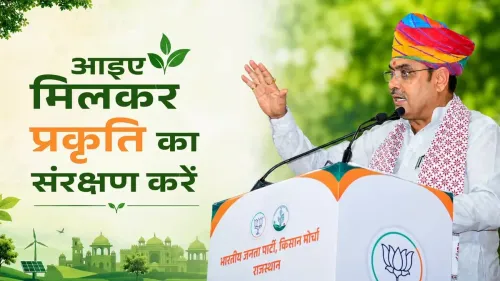
Sharma described the project as a unique cooperative-driven afforestation effort, posting on X that it was accomplished 'kar-kamlon dwara' (by the auspicious hands) of Shah. He added that under the leadership of Prime Minister Narendra Modi, the initiative would make Rajasthan 'aur adhik hara-bhara, samridh aur aatmanirbhar' — 'greener, more prosperous, and self-reliant.'
Context
The Sahkar Van Pariyojana is positioned as an environmental extension of India's cooperative movement, bringing together two of the country's largest cooperative bodies — dairy giant Amul and the consumer-focused NCCF — to pursue afforestation and green-development goals. The ground-breaking at Sumel, Jaipur marks the formal launch of the project in Rajasthan, a state with a large rural and agricultural population that stands to benefit from large-scale plantation drives.
The event was held under the banner of #SahkarSeSamriddhiKe5Saal — 'Five Years of Prosperity through Cooperation' — a campaign commemorating the fifth year since the creation of the dedicated Ministry of Cooperation in July 2021. That ministry was established by the Modi government to give India's cooperative sector a dedicated central institutional framework for the first time.
Policy Backdrop
Since 2021, the Union government has systematically extended the cooperative model beyond its traditional stronghold in dairy into new domains including forestry, sustainability, and rural livelihoods. Amul, headquartered in Gujarat, has long been the flagship of India's farmer-owned cooperative success and is now being deployed as a vehicle to combine farmer ownership with environmental objectives.
The NCCF, a central body promoting consumer cooperatives, is partnering in this initiative to broaden the project's institutional reach. Together, the two organisations represent a model in which cooperative infrastructure — already trusted by rural communities — is repurposed for ecological goals, mirroring earlier successes in other states.
Stakeholders and Impact
The project's primary beneficiaries are Rajasthan's farmers, cooperative societies, and rural communities in and around Jaipur. Afforestation through a cooperative framework means that local communities retain a stake in the plantation and its long-term upkeep, rather than the initiative being managed solely by government agencies.
Chief Minister Bhajan Lal Sharma, who took office in December 2023, has consistently aligned Rajasthan's state programmes with central cooperative and green-development priorities. The Sahkar Van launch reinforces that alignment and signals the state government's intent to position Rajasthan as a model for cooperative-led environmental action within the broader 'Sahkar Se Samridhi' framework.
What's Next
Stakeholders and policy observers will watch for the expansion of Sahkar Van projects to additional districts across Rajasthan and potentially other states, as well as any follow-up budget allocations or memoranda of understanding announced by the Ministry of Cooperation. The five-year cooperative anniversary campaign is expected to serve as a platform for announcing further such green-cooperative tie-ups across India.
The Jaipur ground-breaking could set a replicable template: leveraging existing cooperative networks to meet India's afforestation and rural self-reliance targets simultaneously, with implications for how the country approaches both its climate commitments and its agrarian economy.
Point of View
The BJP-led central government is signalling that the cooperative model can serve as a delivery vehicle for climate and sustainability goals, not just agricultural income. For CM Bhajan Lal Sharma, the event is an opportunity to demonstrate that Rajasthan's state government is a willing and capable partner in executing central flagship initiatives. The five-year 'Sahkar Se Samridhi' branding also serves a political function, consolidating the cooperative sector's gains as a tangible legacy ahead of future electoral cycles.
NationPress
6 Jul 2026
Frequently Asked Questions
What is the Sahkar Van Pariyojana?
The Sahkar Van Pariyojana is a cooperative afforestation and environmental initiative jointly undertaken by Amul and the National Cooperative Consumers' Federation of India (NCCF). Its ground-breaking was held at Sumel, Jaipur on 6 July 2026.
Who launched the Sahkar Van project in Rajasthan?
Union Home and Cooperation Minister Amit Shah performed the bhoomi pujan (ground-breaking ceremony) of the Sahkar Van Pariyojana at Sumel, Jaipur, as announced by Rajasthan Chief Minister Bhajan Lal Sharma.
What is the Sahkar Se Samridhi campaign?
'Sahkar Se Samridhi' — meaning 'Prosperity through Cooperation' — is a campaign marking five years since the Modi government created the dedicated Ministry of Cooperation in July 2021 to strengthen India's cooperative sector.
What is NCCF and its role in this project?
The National Cooperative Consumers' Federation of India (NCCF) is a central body that promotes consumer cooperatives. It is partnering with Amul in the Sahkar Van Pariyojana to combine cooperative institutional reach with environmental and afforestation goals.
How will the Sahkar Van project benefit Rajasthan?
The project aims to make Rajasthan greener and more self-reliant by using cooperative networks — trusted by rural communities — to drive afforestation, giving local farmers and cooperative societies a direct stake in environmental conservation.