CM Bhajan Lal Holds Gram Vikas Chaupal in Beeda Village
Synopsis
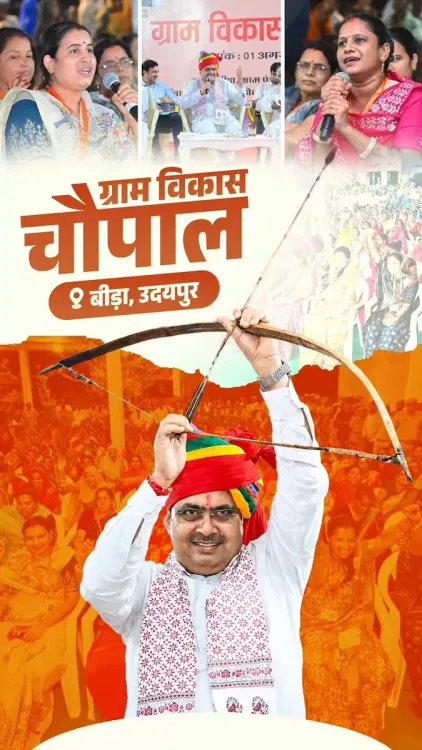
Rajasthan CM Bhajan Lal Sharma engaged villagers at a Gram Vikas Chaupal in Gram Panchayat Beeda on 2 August 2026, gathering grassroots feedback on welfare delivery and reaffirming his government's commitment to last-mile rural development.
Key Takeaways
CM Bhajan Lal Sharma attended a Gram Vikas Chaupal at Gram Panchayat Beeda on 2 August 2026 .
He interacted with rural residents, women, youth, and senior citizens to understand their needs and suggestions.
Sharma stated that 'prosperous villages are the strong foundation of a developed Rajasthan.' The chaupal model is rooted in India's 73rd Constitutional Amendment and Rajasthan's panchayati raj legacy dating to 1959 .
The BJP government, in office since December 2023 , has framed grassroots rural outreach as a central governance priority.
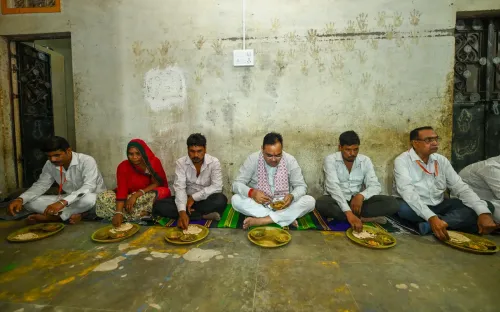
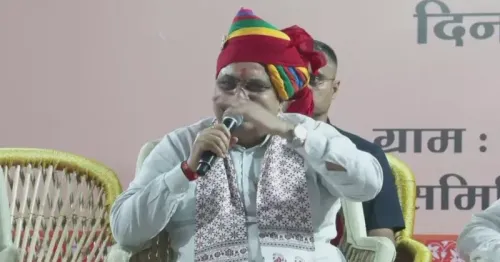
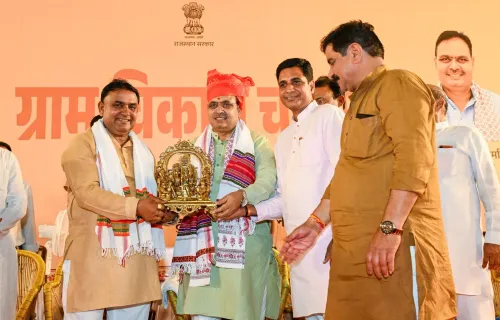
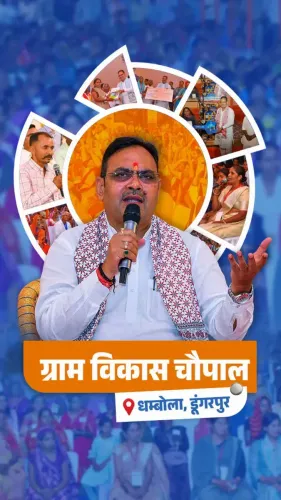
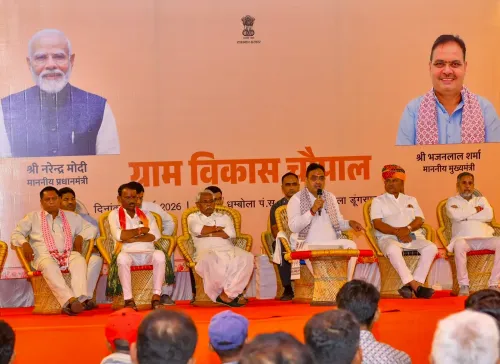
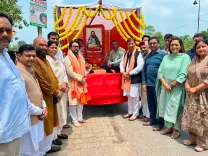
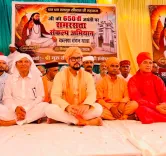
At a dusty chaupal in Gram Panchayat Beeda, Rajasthan Chief Minister Bhajan Lal Sharma sat with farmers, women, youth, and elders on Sunday, 2 August 2026 — listening before governing. The session was part of the state's Gram Vikas Chaupal initiative, where the CM directly gathered expectations, suggestions, and needs from rural communities.
Sharma shared the moment on X, writing: 'Samridh gaon hi viksit Rajasthan ka sashakt aadhar hain' — 'Prosperous villages are the strong foundation of a developed Rajasthan.' He added that his government is 'committed to the holistic development of villages and to delivering welfare schemes to every person at the last mile.'
What a Gram Vikas Chaupal actually does
The chaupal format is a structured grassroots feedback mechanism. A chief minister or senior official sits in an open village assembly, hears grievances without bureaucratic filters, and records gaps in welfare delivery on the spot. The model draws directly from India's 73rd Constitutional Amendment, which devolved powers to panchayats and mandated their role in planning local development. Rajasthan has a particularly deep connection to this tradition — the state hosted India's first panchayat in Nagaur district in 1959, following the landmark Balwant Rai Mehta Committee recommendations that shaped the country's entire decentralised governance architecture.Last-mile delivery as the governing challenge
For any state government, the gap between a scheme announced in a budget and a beneficiary in a remote village receiving its benefit is where political promises either hold or collapse. Chief ministers across Indian states have increasingly turned to direct village interactions to close this gap — partly as governance, partly as political visibility. Sharma, who took office in December 2023 after the BJP's assembly election victory in Rajasthan, has framed rural outreach as a core governing priority. The Beeda chaupal fits that pattern: a signal to the party's rural base that the administration is listening, and a mechanism to surface delivery failures before they become electoral liabilities. The feedback collected at such sessions typically feeds into district-level reviews, and in some cases shapes panchayat-level budget allocations in subsequent assembly sessions — though specific follow-up actions from the Beeda event are yet to be announced.Point of View
Not in secretariat reports. For Sharma, who inherited a state with a large rural electorate and deep panchayat infrastructure, these sessions serve a dual purpose: they generate actionable feedback and they visually reinforce the BJP's 'sarkar aapke dwar' (government at your doorstep) messaging. The Rajasthan government's emphasis on village-first development also aligns with the Centre's broader rural welfare push ahead of future electoral cycles. Whether the Beeda chaupal translates into measurable scheme delivery improvements will be the real test.
NationPress
2 Aug 2026
Frequently Asked Questions
What is a Gram Vikas Chaupal in Rajasthan?
A Gram Vikas Chaupal is a village-level open assembly where senior government officials, including the Chief Minister, directly engage with rural residents to understand their needs, gather feedback on welfare scheme delivery, and identify last-mile governance gaps.
Where is Gram Panchayat Beeda located?
Gram Panchayat Beeda is a village panchayat in Rajasthan. The exact district location was not specified in the Chief Minister's post.
When did Bhajan Lal Sharma become Chief Minister of Rajasthan?
Bhajan Lal Sharma became Chief Minister of Rajasthan in December 2023 after the BJP won the Rajasthan Legislative Assembly elections.
What is Rajasthan's history with panchayati raj?
Rajasthan holds a historic distinction in India's decentralisation story — it hosted the country's first panchayat in Nagaur district in 1959 , following the Balwant Rai Mehta Committee recommendations that shaped national panchayati raj policy.
What is the significance of the 73rd Constitutional Amendment for village governance?
The 73rd Constitutional Amendment , enacted in 1992, gave constitutional status to panchayats, devolved powers to local self-government bodies, and mandated their role in planning and implementing rural development — forming the legal backbone of gram chaupal-style governance.