CM Bhajan Lal lays foundation for Rs 45 cr Sanganer temple works
Synopsis
Rajasthan CM Bhajan Lal Sharma laid the foundation for Rs 45 crore development works to beautify and restore 115 religious sites in Sanganer, Jaipur, after offering prayers at the Tripolia Balaji Temple on 24 June 2026, invoking PM Modi's 'Vikas bhi, Virasat bhi' vision.
Key Takeaways
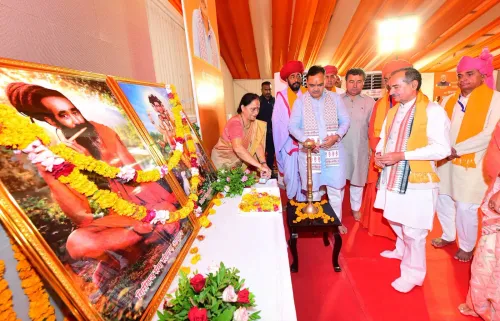
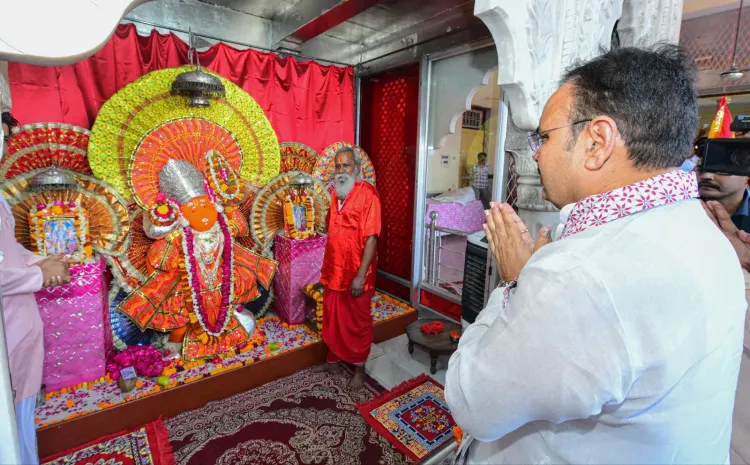
Rajasthan Chief Minister Bhajan Lal Sharma visited Tripolia Balaji Temple in Sanganer, Jaipur on 24 June 2026 and offered prayers.
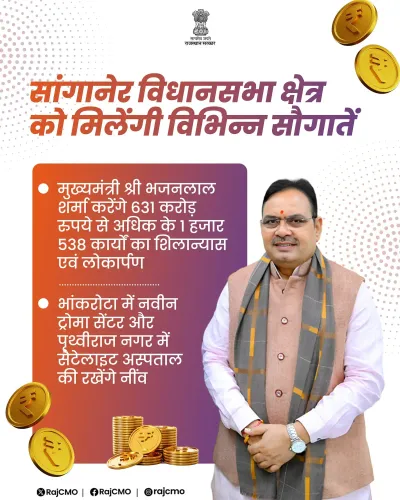
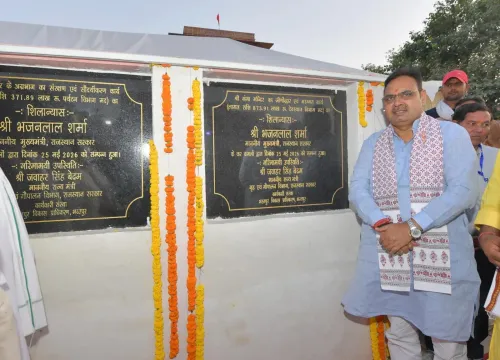
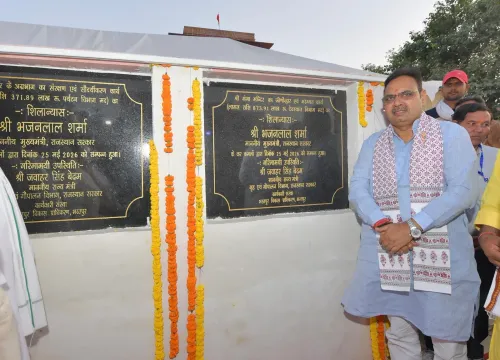
He laid the foundation for development works worth approximately Rs 45 crore for the beautification and restoration of 115 religious sites in the Sanganer area.
The project is framed under Prime Minister Narendra Modi 's 'Vikas bhi, Virasat bhi' ('Development as well as Heritage') policy vision.
Works cover both saundariyakaran (beautification) and jirnoddhar (structural restoration) of the identified religious sites.
Key beneficiaries include local devotees, religious tourism stakeholders, and communities across Sanganer in Jaipur district .
Rollout timelines and tendering processes for the 115-site package are yet to be announced publicly.
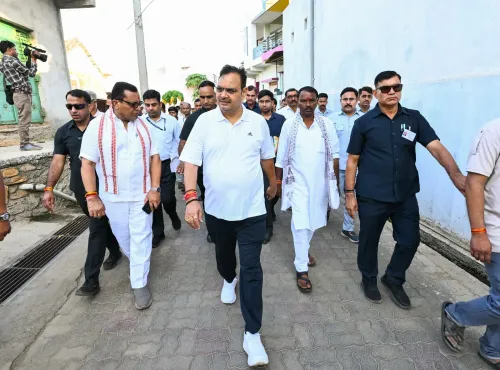
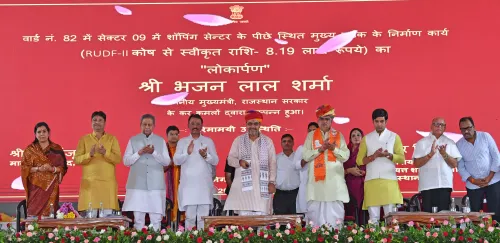
Rajasthan Chief Minister Bhajan Lal Sharma on Wednesday, 24 June 2026, visited the Tripolia Balaji Temple in Sanganer, Jaipur, where he offered prayers and laid the foundation for development works worth approximately Rs 45 crore aimed at the beautification and restoration of 115 religious sites in the Sanganer area.
Posting on X, the Chief Minister wrote: 'Aaj Sanganer sthit Tripolia Balaji Mandir mein pooja-archana kar pradeshwasiyon ke sukh, samridhi evam khushhaali ki kamna ki' — ('Today, after offering prayers at the Tripolia Balaji Temple in Sanganer, I prayed for the happiness, prosperity and well-being of the people of the state.')
Context
Sanganer is a historic region within Jaipur district, home to several ancient temples and places of religious significance. The Chief Minister's visit combined a ceremonial prayer offering with a formal foundation-laying ceremony for a large-scale religious-site development package.
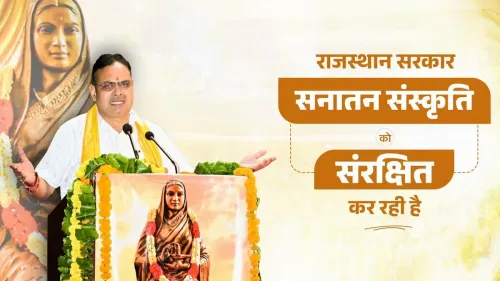
Sharma invoked Prime Minister Narendra Modi's guiding slogan, 'Vikas bhi, Virasat bhi' ('Development as well as Heritage'), framing the project as an expression of that national vision at the state level. He stated that his government is 'continuously working for the preservation and promotion of cultural and religious heritage.'
Policy Backdrop
The 'Vikas bhi, Virasat bhi' framework has shaped BJP governments' approach to heritage-linked infrastructure since 2014, directing public funds toward the restoration of temples, ghats, and cultural landmarks alongside conventional development works. Rajasthan's BJP government, which took office in December 2023 under Sharma, has continued this pattern with targeted investments in religious-site restoration across the state.
The Rs 45 crore package for 115 religious sites in Sanganer represents one of the larger single-district allocations under this approach, covering both aesthetic upgrades — saundariyakaran (beautification) — and structural restoration — jirnoddhar (renovation of dilapidated structures).
Stakeholders and Impact
The works are expected to benefit local devotees and resident communities of Sanganer, whose access to and experience of neighbourhood religious sites will be directly affected by the upgrades. The religious tourism sector in Jaipur district is also a key stakeholder, as restored and better-maintained temple complexes tend to attract higher footfall from pilgrims and heritage tourists.
Local contractors and artisans involved in heritage restoration are likely to be engaged through the tendering process, creating short-term economic activity in the region. The project also carries cultural symbolism for the state's large Hindu devotee population, for whom temple upkeep is a matter of both faith and civic identity.
What's Next
Attention will now turn to the tendering and rollout timelines for the Sanganer works, including which agencies will oversee execution and how funds will be disbursed across the 115 sites. The Rajasthan government may announce similar foundation-laying exercises for other districts, consistent with its stated commitment to cultural heritage preservation statewide.
Sharma closed his post with a prayer: that 'Rajasthan niranter vikas, jankalyan aur samridhi ke path par agrasar rahe' — 'Rajasthan continues to advance on the path of development, public welfare and prosperity' — and that 'every family in the state be filled with happiness, peace and well-being.'
Point of View
Virasat bhi' slogan, Sharma reinforces ideological alignment with the Centre while claiming local credit. The scale — 115 sites and Rs 45 crore in a single sub-district — signals that religious-site restoration is being institutionalised as a recurring budget line, not a one-off gesture. Analysts will watch whether similar packages are announced in other Rajasthan districts, which would confirm a systematic state policy rather than targeted political optics.
NationPress
24 Jun 2026
Frequently Asked Questions
What did CM Bhajan Lal Sharma announce at Sanganer on 24 June 2026?
CM Bhajan Lal Sharma laid the foundation for development works worth approximately Rs 45 crore for the beautification and restoration of 115 religious sites in the Sanganer area of Jaipur district.
Which temple did Rajasthan CM Bhajan Lal Sharma visit in Sanganer?
He visited the Tripolia Balaji Temple in Sanganer, where he offered prayers and performed rituals before the foundation-laying ceremony.
What is the 'Vikas bhi, Virasat bhi' slogan that CM Sharma mentioned?
'Vikas bhi, Virasat bhi' — meaning 'Development as well as Heritage' — is a guiding slogan of Prime Minister Narendra Modi's government that frames infrastructure development alongside the preservation of India's cultural and religious heritage.
How many religious sites will be covered under the Sanganer development project?
According to CM Sharma's announcement, 115 religious sites in the Sanganer region are included in the beautification and restoration project.
What is the total cost of the Sanganer religious site development works?
The development works have been estimated at approximately Rs 45 crore, covering beautification and structural restoration of the 115 identified religious sites.