CM Fadnavis: Maharashtra to have lowest power tariff by 2029-30
Synopsis
Chief Minister Devendra Fadnavis pledged from the Maharashtra Legislative Council on 24 June 2026 that Maharashtra will have the lowest electricity tariff in India by 2029-30, framing it as a four-year reform target for MSEDCL and the broader power sector.
Key Takeaways
CM Devendra Fadnavis announced on 24 June 2026 that Maharashtra will achieve India's lowest electricity tariff by 2029-30 .
The announcement was made on the floor of the Maharashtra Legislative Council in Mumbai during the Monsoon Session 2026 .
MERC (Maharashtra Electricity Regulatory Commission) holds statutory authority over tariff approvals and will be the key arbiter of progress.
Maharashtra previously participated in the central UDAY scheme from 2015 to restructure discom debt and reduce distribution losses.
Key beneficiaries if the target is met include industrial consumers, domestic households , and farmers across the state.
Upcoming MERC multi-year tariff orders and renewable energy bid outcomes will determine whether the cost trajectory is on track.
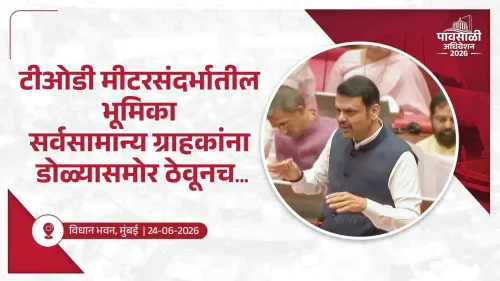
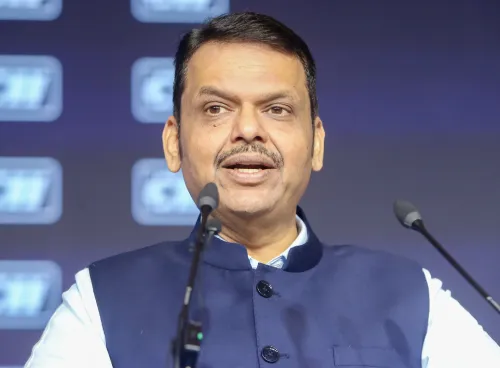
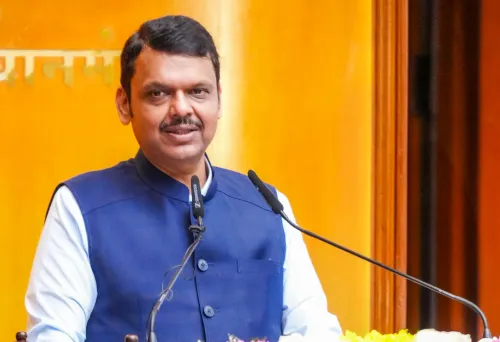
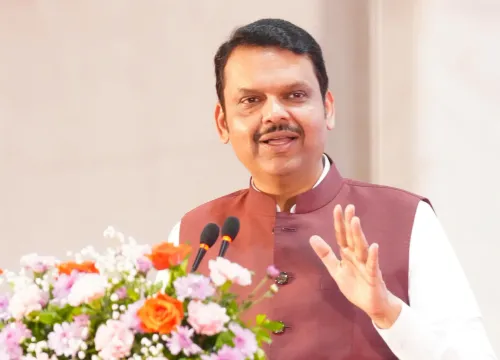
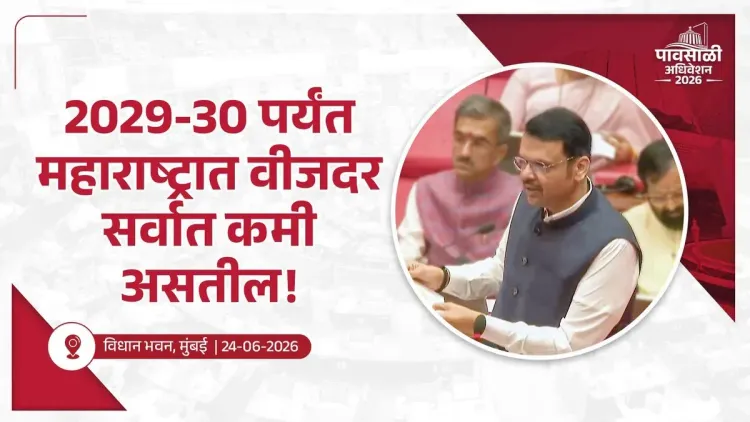
Maharashtra Chief Minister Devendra Fadnavis declared on Wednesday, 24 June 2026, that the state will achieve the lowest electricity tariff in India by 2029-30, making the announcement from the floor of the Maharashtra Legislative Council in Mumbai during the ongoing Monsoon Session.
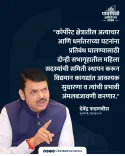
Speaking in the upper house, Fadnavis stated — in both English and Marathi — '2029-30 पर्यंत महाराष्ट्र देशातील सर्वात कमी वीजदर असलेले राज्य बनेल' ('By 2029-30, Maharashtra will become the state with the lowest electricity tariff in the country'). The pledge sets a concrete four-year timeline for a transformation in the state's power pricing.
Context
Electricity tariffs in Maharashtra are among the most closely watched in the country, given the state's large industrial base and its diverse consumer mix spanning domestic households, farmers, and commercial establishments. The Maharashtra Electricity Regulatory Commission (MERC), an independent statutory body, approves retail tariffs and power purchase costs, meaning any reduction target must ultimately be validated through its multi-year tariff orders.
The announcement comes during the Monsoon Session 2026 of the Maharashtra Legislature, a politically significant forum where the ruling dispensation traditionally tables major policy commitments before a wide legislative audience.
Policy Backdrop
Maharashtra's engagement with power-sector reform has a documented history. The state joined the central government's Ujwal DISCOM Assurance Yojana (UDAY) from 2015 onward, a scheme designed to restructure distribution company debt and improve operational efficiency across state utilities. The primary distribution arm, Maharashtra State Electricity Distribution Company Limited (MSEDCL), has been a central actor in these reforms.
Between 2014 and 2019, the state government expanded renewable energy procurement targets and signed long-term power purchase agreements aimed at moderating future tariff increases. Fadnavis, who served as Chief Minister during that period as well, has consistently positioned infrastructure and energy affordability as pillars of Maharashtra's economic competitiveness.
Several Indian states have used tariff-reduction timelines as part of strategies to attract industrial investment, typically by scaling renewable energy capacity and reducing dependence on costly thermal power. Maharashtra's pledge fits this pattern of competitive federalism in the electricity sector, where publicised affordability targets are used to influence business location decisions.
Stakeholders and Impact
Industrial consumers stand to gain the most immediately if the target is met, as electricity forms a significant share of input costs for manufacturing units across the state. Domestic consumers and farmers — who already receive subsidised rates in many categories — would also see relief if the broader tariff basket moves downward.
For Maharashtra's industrial corridors and upcoming investment destinations, a credible low-tariff commitment could strengthen the state's pitch against competing states that have been aggressive in offering power cost incentives to large manufacturers and data centre operators.
What's Next
MERC's upcoming multi-year tariff orders and the outcomes of the state's renewable energy bidding rounds will be the clearest indicators of whether the cost trajectory through 2029-30 is on track to fulfil the Chief Minister's commitment. Analysts and industry bodies are expected to scrutinise each tariff revision cycle for movement toward the stated goal.
If Maharashtra achieves the benchmark, it would mark a significant shift in the state's competitive positioning — transforming one of India's most industrialised states into its most power-affordable, with implications for investment flows across the country.
Point of View
Particularly as India's production-linked incentive ecosystem matures. For Maharashtra, which competes intensely with states like Gujarat and Tamil Nadu for large industrial projects, a credible low-tariff story could be a decisive differentiator. The real test will be whether MSEDCL's operational improvements and renewable procurement costs move in tandem with the political timeline.
NationPress
24 Jun 2026
Frequently Asked Questions
What did CM Devendra Fadnavis announce about electricity tariffs in Maharashtra?
CM Devendra Fadnavis announced on 24 June 2026 that Maharashtra will have the lowest electricity tariff in India by 2029-30. He made the statement in the Maharashtra Legislative Council during the Monsoon Session 2026.
When will Maharashtra's electricity tariff become the lowest in India?
According to CM Fadnavis's announcement, the target year is 2029-30. The actual outcome will depend on MERC tariff orders and the state's renewable energy procurement costs over the coming years.
Who regulates electricity tariffs in Maharashtra?
The Maharashtra Electricity Regulatory Commission (MERC) is the independent statutory body that approves retail electricity tariffs and power purchase costs in Maharashtra. MSEDCL, the state distribution company, files tariff petitions before MERC.
What is MSEDCL and what role does it play in Maharashtra's power sector?
MSEDCL, or Maharashtra State Electricity Distribution Company Limited, is the primary state-owned utility responsible for distributing electricity to retail consumers across Maharashtra. It is central to any tariff reduction strategy announced by the state government.
How does Maharashtra's tariff pledge relate to the UDAY scheme?
Maharashtra joined the central government's Ujwal DISCOM Assurance Yojana (UDAY) from 2015 onward to restructure MSEDCL's debt and reduce distribution losses — foundational steps that the current tariff-reduction ambition builds upon.