CM Bhajan Lal pushes Rajasthan Petro Chemical Zone expansion
Synopsis
Rajasthan CM Bhajan Lal Sharma directed officials on November 14 to fast-track industrial unit setups in the Rajasthan Petro Chemical Zone, citing goals of youth employment, higher state revenue, and a self-reliant Rajasthan.
Key Takeaways
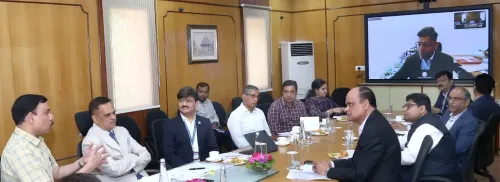
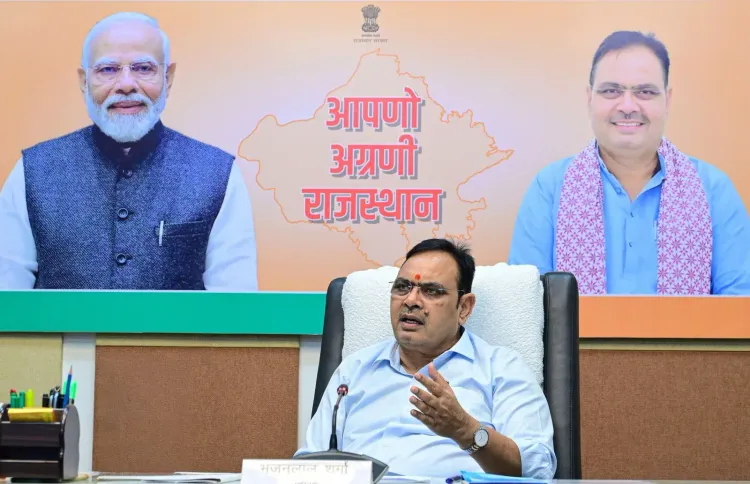
CM Bhajan Lal Sharma held a development review meeting at the Chief Minister's residence on November 14, 2026 .
Officials were directed to encourage maximum industrial unit setups inside the Rajasthan Petro Chemical Zone .
The stated goals are increased industrial activity, youth employment generation , and growth in state revenue.
The CM positioned the zone as a future 'prominent centre of industrial development' aligned with Atmanirbhar Bharat objectives.
Local-level production promotion was specifically highlighted to reduce dependence on external supply chains.
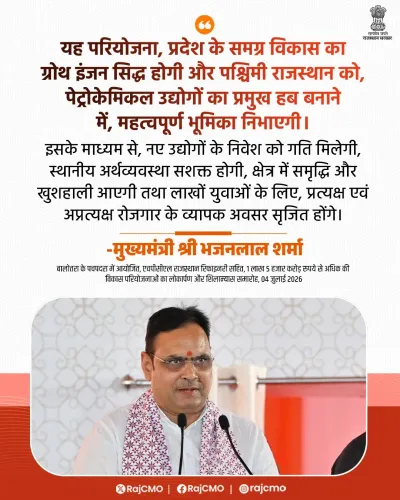
Rajasthan Chief Minister Bhajan Lal Sharma chaired a high-level review meeting at the Chief Minister's residence on Saturday, November 14, 2026, directing officials to accelerate the development of the Rajasthan Petro Chemical Zone — framing it as a cornerstone of the state's industrial and employment future. The mandate was unambiguous: more industrial units, more local production, more jobs.
What the CM ordered — and why it matters now
Speaking to officers assembled at the meeting, CM Sharma instructed that 'effective steps be taken to encourage the establishment of maximum industrial units in the zone, while simultaneously promoting production at the local level.' The directive, delivered in Hindi, carried a clear three-pronged promise: accelerated industrial activity, fresh employment opportunities for Rajasthan's youth, and a measurable uptick in state revenue.
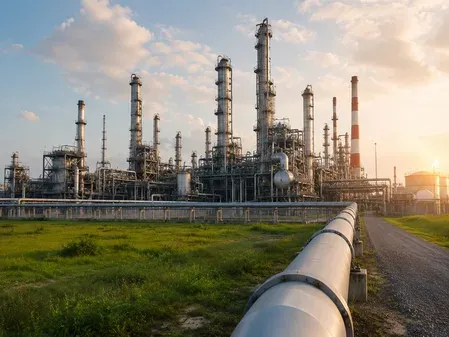
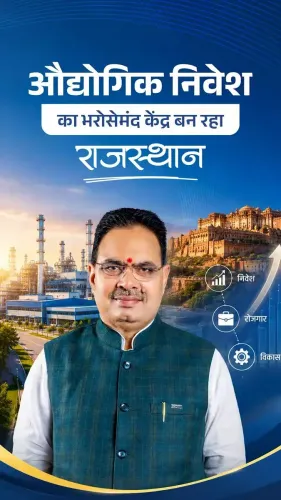
The Chief Minister was explicit about the destination: transform the Rajasthan Petro Chemical Zone into 'a prominent centre of industrial development' — one capable of realising new investment possibilities and moving Rajasthan decisively toward self-reliance and prosperity. Atmanirbhar evam samridh (self-reliant and prosperous) was the phrase he anchored the vision to.
Petrochemical zones and the national manufacturing push
The meeting slots neatly into a broader pattern seen across Indian states: developing dedicated petrochemical and industrial corridors to compete for private capital and anchor domestic manufacturing capacity. That strategy draws direct energy from the Atmanirbhar Bharat framework, which incentivises states to build production ecosystems rather than depend on imports or inter-state supply chains.
For Rajasthan — a state whose industrial base has historically leaned on textiles and mining — a functional, well-populated petrochemical zone would represent a structural diversification. Local production mandates, if followed through, could reduce raw-material transit costs and make the zone more attractive to downstream industries.
Youth employment at the centre of the pitch
The Chief Minister's explicit mention of youth employment is a political signal as much as an economic one. Rajasthan has a large and growing working-age population, and industrial zone development is one of the faster routes a state government can take to demonstrate job-creation intent. Encouraging unit setups — rather than waiting for anchor investments — broadens the potential employer base and shortens the timeline to visible outcomes on the ground.
The watch item now is follow-through: how many new units register intent to set up in the zone, and whether the government backs the directive with specific incentive packages or single-window clearance timelines in the weeks ahead.
Point of View
Making them a high-visibility bet for a government that must show economic progress to its constituency. The emphasis on 'local production' also carries a subtle protectionist undertone consistent with Atmanirbhar Bharat messaging, nudging investors toward value addition within the state rather than simple warehousing. How quickly the zone translates the CM's directive into registered units and actual employment numbers will determine whether this meeting is remembered as a turning point or a talking point.
NationPress
14 Nov 2026
Frequently Asked Questions
What is the Rajasthan Petro Chemical Zone?
The Rajasthan Petro Chemical Zone is a dedicated industrial area developed by the Rajasthan government to attract petrochemical and downstream manufacturing units, aiming to diversify the state's industrial base and generate employment.
What did CM Bhajan Lal Sharma announce for the Rajasthan Petro Chemical Zone?
On November 14, 2026, CM Sharma directed officials to encourage maximum industrial unit setups in the zone, promote local-level production, and position it as a leading centre of industrial development for new investment and youth employment.
How will the Rajasthan Petro Chemical Zone create jobs for youth?
By increasing the number of industrial units and promoting local manufacturing within the zone, the government expects to generate direct and downstream employment opportunities for Rajasthan's youth across production, logistics, and services.
How does this initiative connect to Atmanirbhar Bharat?
The push to build local production capacity within the zone aligns with the Atmanirbhar Bharat framework, which encourages states to develop domestic manufacturing ecosystems and reduce import or inter-state supply dependencies.
What should investors watch for next from the Rajasthan government on this zone?
Watch for follow-up announcements on investment incentives, single-window clearance timelines, and the number of industrial units formally registering intent to set up operations in the Rajasthan Petro Chemical Zone.