CM Bhajan Lal Sharma vows panchayat-level services for Rajasthan villages
Synopsis
Rajasthan Chief Minister Bhajan Lal Sharma pledged on 30 September 2026 to extend education and government welfare services to the panchayat level, aiming to bring better opportunities directly to rural communities across the state.
Key Takeaways
Rajasthan CM Bhajan Lal Sharma reaffirmed on 30 September 2026 his government's goal of delivering services down to the panchayat level .
The commitment covers both education and government welfare benefits , targeting rural residents who lack easy access to distant administrative offices.
The framework draws on the 73rd Constitutional Amendment Act of 1992 , which established India's three-tier panchayati raj system.
Sharma has been Chief Minister since December 2023 ; last-mile rural delivery has been a stated priority of his administration.
State budget allocations and actual programme rollout timelines at panchayat level remain the key indicators to watch.
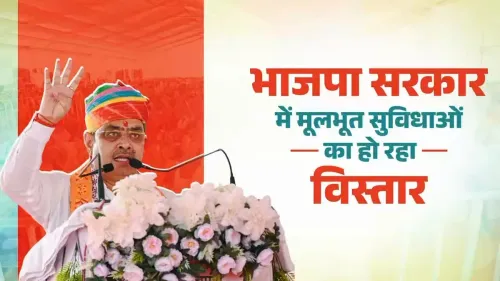
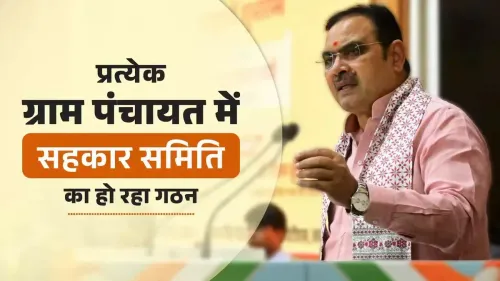
Every village, not just every city — that is the governing promise Rajasthan Chief Minister Bhajan Lal Sharma renewed on Wednesday, 30 September 2026, pledging to push education and government welfare benefits all the way down to the panchayat tier so rural residents never have to travel far for opportunity.
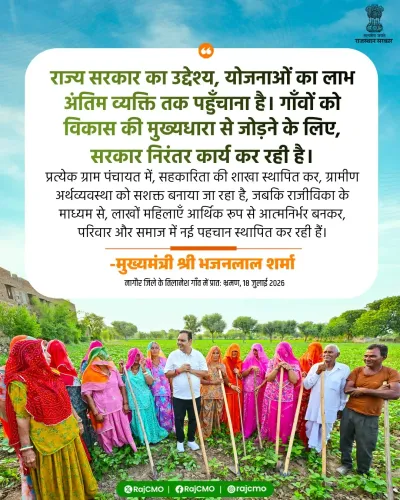
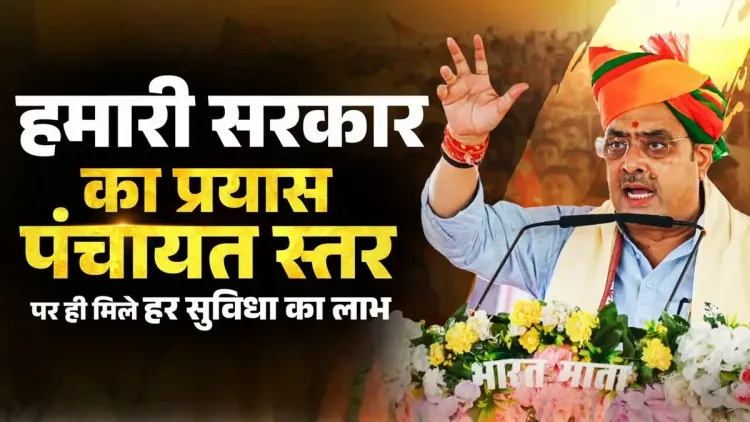
In a post on X, Sharma stated: 'हमारी सरकार पढ़ाई से लेकर सरकारी सेवाओं के लाभ तक हर सुविधा पंचायत स्तर तक पहुँचा रही है' — 'Our government is bringing every facility, from education to the benefits of government services, down to the panchayat level, so that people in rural areas can get better opportunities and facilities within their own region.'
What 'panchayat-level delivery' actually means in Rajasthan
The panchayati raj framework — cemented in Indian governance by the 73rd Constitutional Amendment Act of 1992 — created a constitutionally recognised three-tier structure of rural local bodies. The intent was always the same: push power, money, and services to the village. Execution, across states and decades, has been uneven.
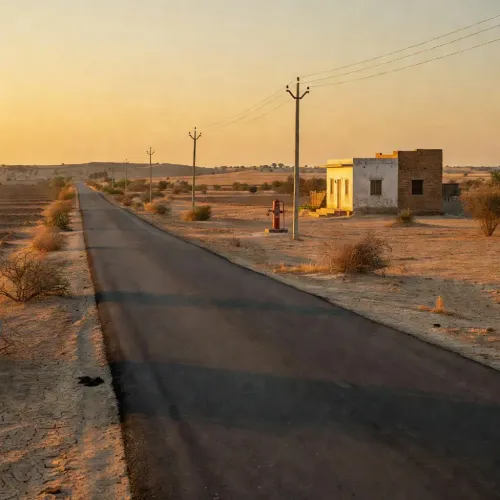
Rajasthan is home to thousands of gram panchayats spread across its vast, semi-arid geography, where distance to a block headquarters or district office has historically meant that welfare benefits, school enrolment support, and certificate services remained out of reach for the poorest households. Sharma's statement squarely targets that gap.
Decentralisation as political and administrative priority
Sharma, who took charge as Chief Minister in December 2023, has framed last-mile delivery as a signature commitment of his administration. The broader pattern is familiar across Indian states: governments align state-level rural schemes with central panchayati raj and rural development frameworks, channelling funds through gram panchayats for everything from school mid-day meals to social security enrolments.
The real test, policy observers note, lies in budget allocations and the actual rollout timelines for programmes at the panchayat level — the gap between announcement and implementation in large, geographically dispersed states like Rajasthan has historically been significant.
With state budget cycles approaching and rural constituencies watching, the Chief Minister's public restatement of this goal signals both a political and administrative direction of travel — one that village residents, and the gram panchayats meant to serve them, will be measuring in practice.
Point of View
Where rural constituencies are numerically decisive, visible panchayat-level activity serves both a governance and electoral logic. The hard question the statement leaves open is whether budgetary muscle and administrative capacity are keeping pace with the rhetoric — last-mile delivery in a geographically vast state demands more than intent. Watchpoints are the upcoming state budget and measurable upticks in panchayat-level enrolment and service utilisation data.
NationPress
30 Sept 2026
Frequently Asked Questions
What did Rajasthan CM Bhajan Lal Sharma say about panchayat services?
Sharma stated that his government is bringing every facility — from education to government welfare benefits — down to the panchayat level, so rural residents can access opportunities within their own areas.
What is the panchayati raj system in India?
Panchayati raj is India's three-tier rural local self-government system, constitutionally recognised through the 73rd Amendment Act of 1992, designed to decentralise power and service delivery to village, block, and district levels.
When did Bhajan Lal Sharma become Chief Minister of Rajasthan?
Bhajan Lal Sharma assumed office as Chief Minister of Rajasthan in December 2023 after the BJP's victory in the state assembly elections.
What services is the Rajasthan government trying to take to panchayat level?
According to CM Sharma's statement, the focus covers education as well as the full range of government welfare service benefits, aiming to make them accessible locally without villagers needing to travel to distant offices.
Why is panchayat-level service delivery important in Rajasthan?
Rajasthan's large and geographically dispersed population means rural residents have historically faced long distances to access block or district offices; delivering services at the panchayat tier directly addresses that barrier.