CM Bhajan Lal Sharma Watches PM Modi at Navy Tri-Commissioning
Synopsis
Rajasthan CM Bhajan Lal Sharma amplified PM Modi's live attendance at the Indian Navy's Tri-Commissioning Ceremony of INS Dunagiri, INS Sanshodhak and INS Agray on June 21, 2026, spotlighting India's accelerating naval indigenisation drive.
Key Takeaways
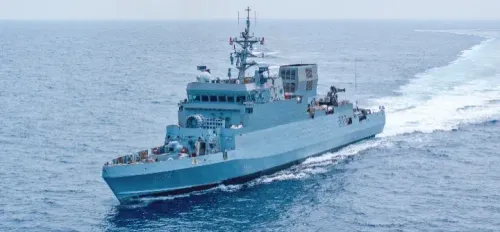
Three vessels commissioned simultaneously : INS Dunagiri (stealth frigate), INS Sanshodhak (survey ship), and INS Agray (patrol vessel) were inducted into the Indian Navy in a single ceremony.
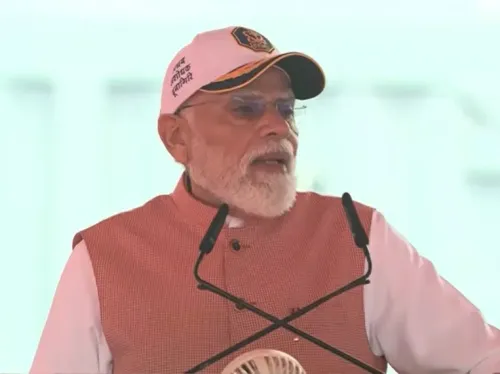
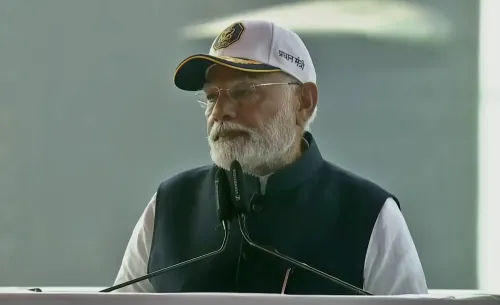
PM Modi attended the Tri-Commissioning Ceremony on June 21, 2026 , continuing his practice of headlining major naval induction events.
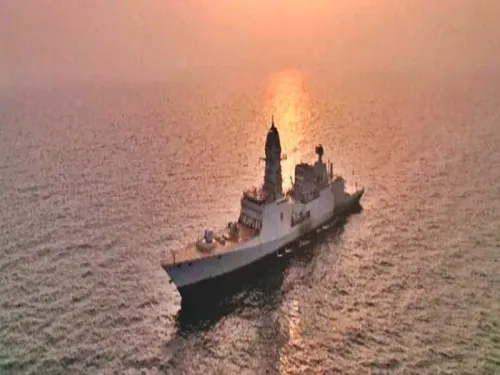
INS Dunagiri is built under Project 17A , India's advanced indigenous stealth frigate programme executed entirely in domestic shipyards.
The event builds on the Atmanirbhar Bharat initiative launched in 2020 , which prioritised domestic defence manufacturing.
CM Bhajan Lal Sharma shared the live broadcast, reflecting BJP's coordinated amplification of Centre-led defence milestones.
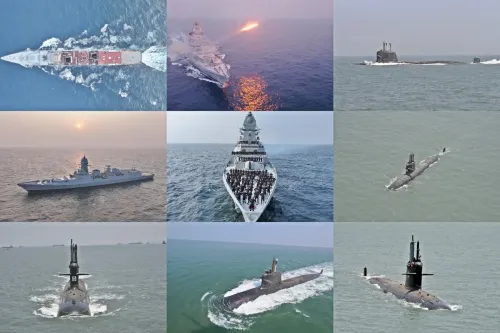
The inductions strengthen India's maritime capabilities in the Indian Ocean Region across combat, survey, and patrol roles.
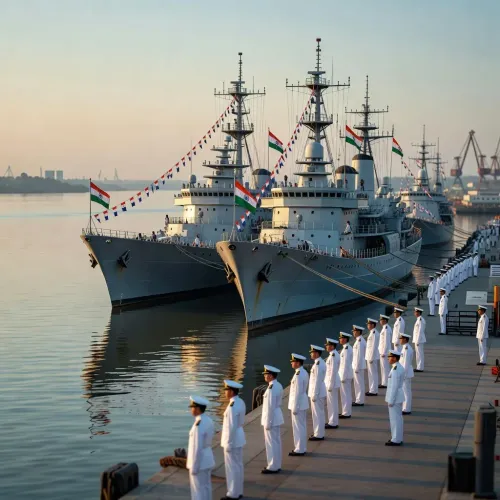
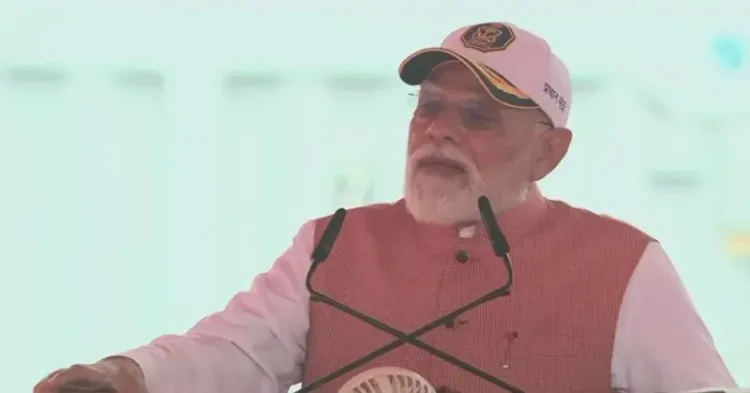
Rajasthan Chief Minister Bhajan Lal Sharma shared a live broadcast on Sunday, June 21, 2026, drawing attention to Prime Minister Narendra Modi's participation in the Tri-Commissioning Ceremony of three Indian Navy vessels — INS Dunagiri, INS Sanshodhak, and INS Agray.
Context
The ceremony marked the simultaneous induction of three warships into the Indian Navy, a rare tri-commissioning event that underscored the pace of fleet expansion under India's indigenisation drive. Prime Minister Modi has made a practice of attending major naval commissioning events, lending political weight to the country's defence manufacturing ambitions. CM Sharma's decision to amplify the live broadcast signals the BJP's coordinated effort to highlight the Centre's defence achievements across state-level platforms.
Policy Backdrop
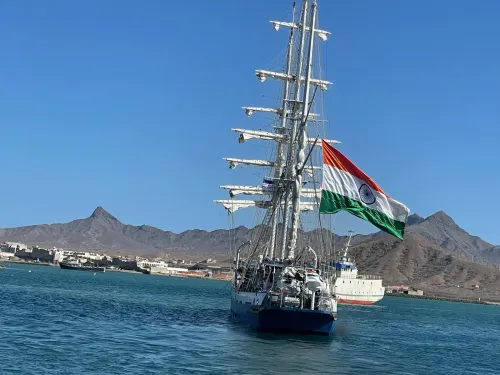
INS Dunagiri is a stealth frigate built under Project 17A, an advanced warship programme being executed entirely in Indian shipyards. The programme is a direct extension of the Atmanirbhar Bharat initiative launched in 2020, which mandated a sharp increase in domestic defence production to reduce import dependence. The induction of INS Sanshodhak and INS Agray — a survey ship and a patrol vessel respectively — further broadens the Navy's operational reach in both blue-water and coastal domains.
India's naval indigenisation push gained a landmark moment in September 2022 when INS Vikrant, the country's first domestically built aircraft carrier, was commissioned. The tri-commissioning ceremony continues that trajectory, with multiple vessel classes entering service in quick succession.
Stakeholders and Impact
The Indian Navy stands as the primary beneficiary, gaining enhanced surveillance, hydrographic survey, and combat capabilities in a single ceremony. Defence shipyards — including public-sector units that have anchored the Project 17A build programme — receive a strong signal of sustained government orders and political backing. For the broader defence-industrial base, simultaneous multi-vessel commissioning reflects improved coordination between design bureaus, shipyards, and the Navy's operational commands.
Regionally, the expanded fleet strengthens India's maritime domain awareness in the Indian Ocean Region, where strategic competition has intensified in recent years. Allies and partner navies that conduct joint exercises with India are also likely to note the accelerated induction pace.
What's Next
Further frigates under Project 17A are expected to follow as Indian shipyards complete their construction schedules. Analysts will watch the next Union defence budget for additional allocations to survey-ship and patrol-vessel programmes. Naval exercise calendars — both bilateral and multilateral — are also likely to integrate the newly commissioned vessels in the months ahead, testing their operational readiness in real-world scenarios.
Point of View
PM Modi converts a technical induction event into a political statement about self-reliance. CM Sharma's amplification from Rajasthan illustrates how the party uses state-level platforms to nationalise defence achievements. Cumulatively, these events build a narrative of accelerating indigenisation that the government will likely deploy ahead of the next electoral cycle.
NationPress
21 Jun 2026
Frequently Asked Questions
What ships were commissioned at the Tri-Commissioning Ceremony attended by PM Modi?
Three Indian Navy vessels were commissioned: INS Dunagiri, a stealth frigate under Project 17A; INS Sanshodhak, a survey ship; and INS Agray, a patrol vessel.
What is Project 17A?
Project 17A is India's advanced stealth frigate programme under which warships including INS Dunagiri are designed and built entirely in Indian shipyards, forming a core part of the Atmanirbhar Bharat defence initiative.
Why did CM Bhajan Lal Sharma post about a Navy event?
CM Sharma shared a live broadcast of the ceremony to amplify a significant national defence milestone, in line with the BJP's practice of highlighting the central government's achievements on state-level platforms.
What is the significance of a tri-commissioning ceremony for the Indian Navy?
Simultaneously inducting three vessels is relatively rare and signals accelerated fleet expansion, improved shipyard capacity, and stronger political prioritisation of naval modernisation.
How does this commissioning relate to Atmanirbhar Bharat?
The Atmanirbhar Bharat initiative, launched in 2020, mandated higher domestic defence production. Commissioning indigenously built ships like INS Dunagiri is a direct outcome of that policy, reducing India's reliance on foreign warship imports.