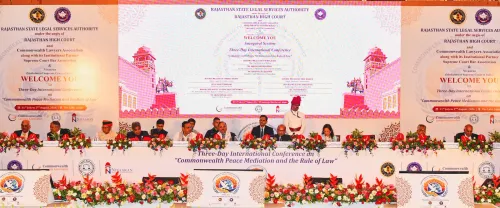
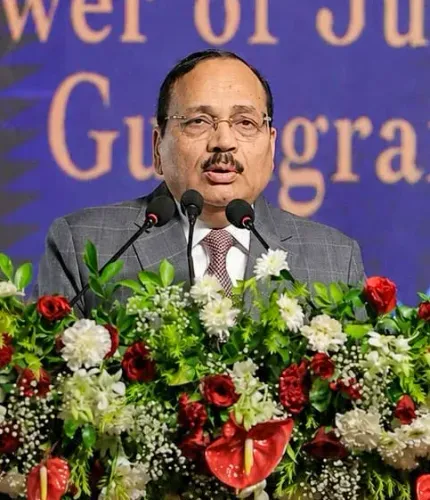
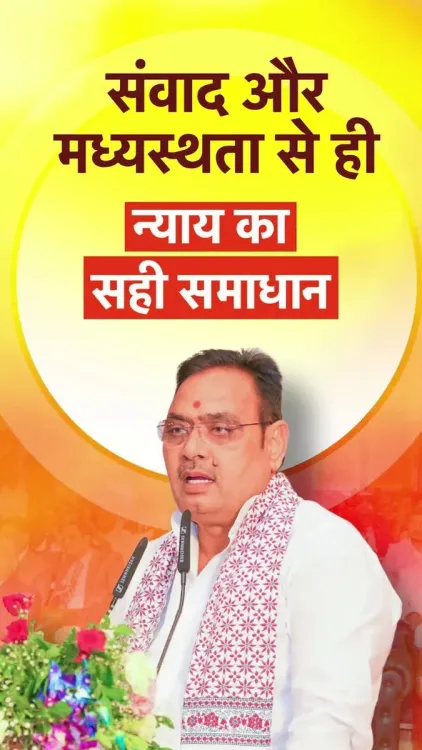
CM Bhajanlal Sharma addresses Commonwealth Peace Mediation meet in Jaipur
Synopsis
Chief Minister Bhajanlal Sharma addressed the Commonwealth Peace Mediation Conference in Jaipur on 1 August 2026, chaired by Supreme Court Justice Suryakant. He called mediation a move beyond adversarial win-lose justice toward genuine resolution — framing the international event as a new chapter in India's growing alternative dispute resolution reform agenda.
Key Takeaways
CM Bhajanlal Sharma addressed the Commonwealth Peace Mediation Conference in Jaipur on 1 August 2026 .
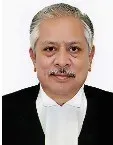
The conference was chaired by Supreme Court Justice Suryakant , lending direct judicial authority to the event.
Sharma described mediation as transcending the win-lose binary of adversarial justice, calling it 'the beginning of a new global perspective in the justice system.' India's Mediation Act 2023 and amendments to the Arbitration and Conciliation Act form the legal backbone underpinning such conferences.
Hosting Commonwealth legal events aligns with Rajasthan's pattern of using high-profile conferences to project governance credibility under the current BJP administration.
Analysts will watch for concrete state-level mediation policy or implementation roadmaps following the conference.
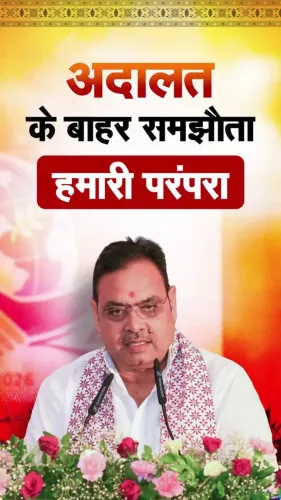
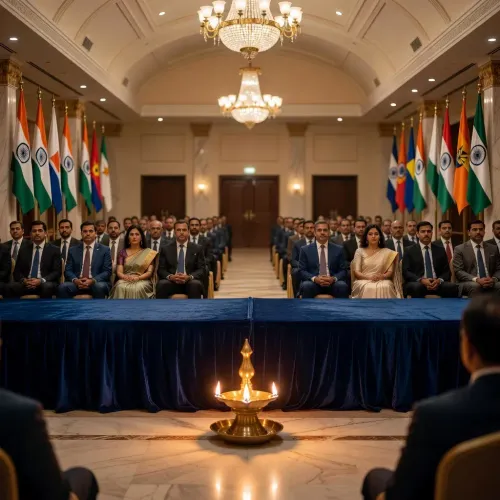
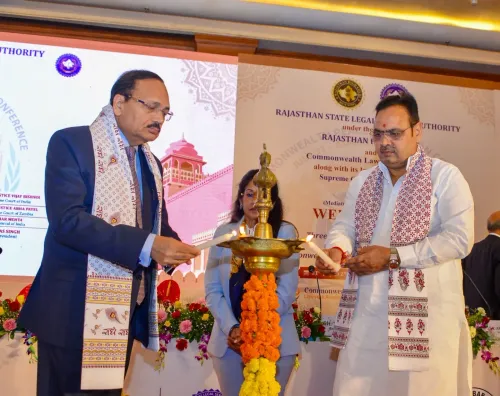
Mediation, Chief Minister Bhajanlal Sharma told a packed international conference in Jaipur on Saturday, 1 August 2026, is not about picking a winner — it is about finding a way through. That reframing, delivered at the Commonwealth Peace Mediation Conference, set the tone for a gathering that brought global legal minds to Rajasthan's capital under the chairmanship of Supreme Court Justice Suryakant.
A new lens on justice — beyond win and loss
Addressing the conference, CM Sharma argued that conventional thinking traps justice inside an adversarial frame: one side wins, the other loses. 'मध्यस्थता की सबसे खूबसूरत बात यह है कि, यह हार-जीत से आगे बढ़कर समाधान की बात करती है' — 'the most beautiful thing about mediation is that it moves beyond winning and losing to talk about resolution,' he said. He called the international gathering 'the beginning of a new thought, a new direction, and a new global perspective in the justice system.'
The framing matters. India's courts carry one of the heaviest docket burdens in the world, and every case that finds resolution through mediation is one fewer file clogging an already stretched judiciary. Hosting a Commonwealth-linked legal conference in Jaipur signals that Rajasthan is positioning itself as an active node in that reform conversation — not merely a spectator.
India's mediation push — the legal scaffolding already in place
The conference did not land in a vacuum. India enacted the Mediation Act 2023, a landmark statute that institutionalised pre-litigation mediation and created a framework for enforcing mediated settlements as court decrees. Combined with successive amendments to the Arbitration and Conciliation Act, the legal architecture for alternative dispute resolution has been substantially rebuilt over the past decade. The Jaipur conference is, in effect, a diplomatic and intellectual extension of that domestic reform push — taking India's evolving mediation model into a Commonwealth dialogue.
Justice Suryakant's chairmanship lends the event direct judicial authority, signalling that the Supreme Court's institutional weight is behind the mediation agenda — not just the executive branch. That alignment between the judiciary and a state government on a shared legal reform goal is itself notable.
Rajasthan as a stage for governance diplomacy
Under the current BJP administration, Rajasthan has made a habit of hosting high-profile national and international conferences — using them to project governance credibility and draw attention to the state's policy priorities. The Commonwealth Peace Mediation Conference fits that pattern, while also giving CM Sharma a platform that is explicitly non-partisan: the language of mediation — consensus, resolution, dialogue — is difficult to argue against, which makes it politically durable ground.
The real test will come after the conference closes: whether Rajasthan follows the rhetoric with a concrete state-level mediation policy, dedicated infrastructure, or implementation roadmap that practitioners can actually use. Speeches are the opening move. The next move belongs to the policy table.
Point of View
Co-hosting such an event with the Supreme Court's institutional backing is unusually strong political cover: mediation reform is reform no one opposes publicly. The broader arc here is India's effort to project itself as a serious player in global justice dialogue, not merely a recipient of international legal norms. Whether Rajasthan converts conference energy into a durable state-level mediation ecosystem will determine whether this is legacy-building or optics.
NationPress
1 Aug 2026
Frequently Asked Questions
What is the Commonwealth Peace Mediation Conference held in Jaipur?
It is an international conference on peace mediation hosted in Jaipur, Rajasthan , chaired by Supreme Court Justice Suryakant , aimed at advancing alternative dispute resolution frameworks within a Commonwealth legal context.
What did CM Bhajanlal Sharma say at the mediation conference?
CM Bhajanlal Sharma said the conference marks 'a new thought, a new direction, and a new global perspective in the justice system,' and argued that mediation's strength lies in moving beyond win-lose outcomes to focus on resolution.
What is India's Mediation Act 2023?
The Mediation Act 2023 is a landmark Indian law that institutionalised pre-litigation mediation and made mediated settlements enforceable as court decrees, forming a key pillar of India's alternative dispute resolution reform.
Who is Justice Suryakant and why was he chairing this conference?
Justice Suryakant is a judge of the Supreme Court of India . His chairmanship of the Jaipur conference signals direct judicial institutional support for advancing mediation as a mainstream dispute resolution mechanism.
Why is Rajasthan hosting international legal conferences?
Under CM Bhajanlal Sharma's BJP administration since December 2023 , Rajasthan has actively hosted national and international conferences to highlight governance initiatives and position the state within broader policy and diplomatic dialogues.