CM Bhupendra Patel Hails India's 7.7% Growth Amid West Asia Crisis
Synopsis
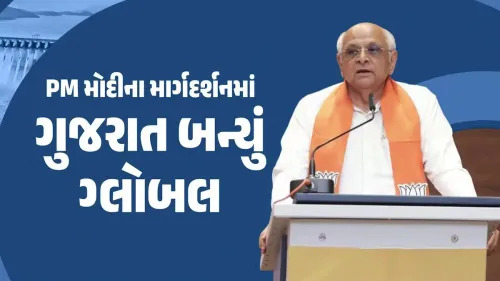
Gujarat CM Bhupendra Patel on 20 July 2026 praised India's 7.7% growth rate during the Parliament Monsoon Session, arguing the country has remained the world's fastest-growing major economy despite the ongoing conflict in West Asia and successive global disruptions.
Key Takeaways
Gujarat Chief Minister Bhupendra Patel posted on X on 20 July 2026 during the Parliament Monsoon Session .
He cited a 7.7% growth rate , calling India the fastest-growing major economy in the world.
The post acknowledged that the West Asia conflict has been a source of crisis for import-dependent countries like India.
The statement was tagged to Prime Minister Narendra Modi , framing it as an endorsement of central government economic policy.
India's growth resilience has been attributed to the Atmanirbhar Bharat framework and domestic policy buffers against global shocks.
The next quarterly GDP release and any petroleum-price measures from the Monsoon Session will be key indicators to watch.
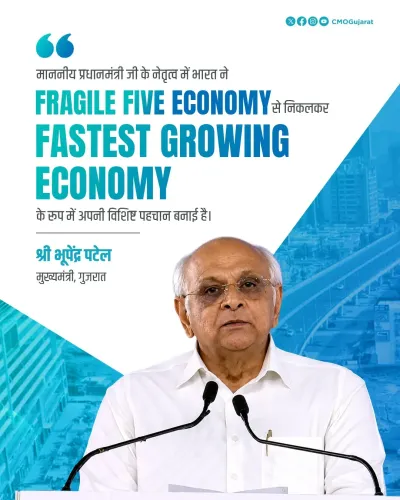
Gujarat Chief Minister Bhupendra Patel on Monday, 20 July 2026, took to X to highlight India's economic resilience, citing a 7.7% growth rate that he described as making India the fastest-growing major economy in the world despite ongoing conflict in West Asia. The post, tagged to Prime Minister Narendra Modi and the #ParliamentMonsoonSession hashtag, framed the figure as evidence that India has withstood successive global shocks.
Context
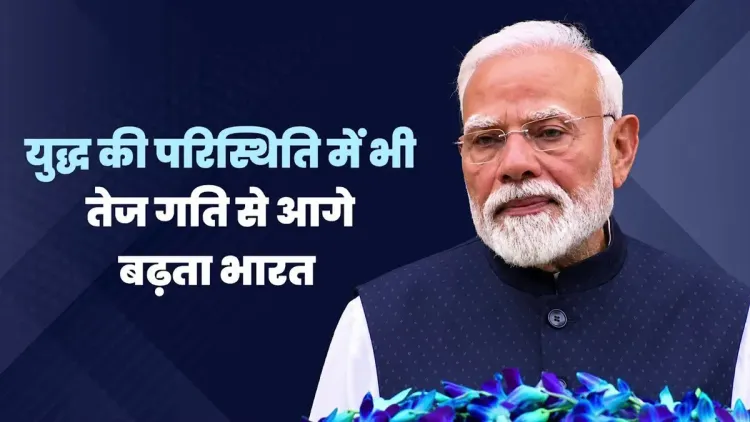
Patel wrote — 'पश्चिम एशिया में युद्ध की स्थिति भारत जैसे देशों के लिए संकट का कारण रही' — ('The war situation in West Asia has been a cause of crisis for countries like India') — before asserting that India had nevertheless emerged as the fastest-moving nation among major economies. The statement was made during the ongoing Monsoon Session of Parliament, the annual sitting used for legislative business, budget discussions, and opposition queries on economic management.
The tagging of @NarendraModi signals that the post is intended as an endorsement of central government policy rather than a purely state-level communication. Gujarat's chief minister regularly amplifies national economic messaging during high-profile parliamentary sessions.
Policy Backdrop
India's above-6% growth trajectory over recent years has been anchored in the Atmanirbhar Bharat framework launched in 2020 following the COVID-19 contraction. The ruling BJP has consistently used successive global disruptions — from the pandemic to the 2022 Russia-Ukraine conflict — to argue that domestic policy insulated the Indian economy from external volatility.
West Asia's strategic importance to India is well established: the region is a critical source of crude oil and a destination for a large Indian diaspora. Conflict there directly affects energy import costs and remittance flows, both of which feed into inflation and the current-account balance. Patel's framing positions the 7.7% growth figure as a rebuttal to concerns that these pressures have derailed the Indian economy.
Parliamentary monsoon sessions have increasingly become a platform for the ruling party to contrast India's growth record with slower expansion in other major economies, a pattern that has held across multiple sessions since 2021.
Stakeholders and Impact
Indian businesses, particularly energy importers and exporters with exposure to West Asian markets, are the most directly affected constituency in the backdrop Patel describes. Higher crude prices driven by regional conflict typically translate into elevated fuel costs, logistics inflation, and pressure on the fiscal deficit through subsidy demands.
For ordinary consumers, the ability of the economy to sustain near-8% growth despite these headwinds carries implications for job creation, wage growth, and government revenue available for welfare spending. The Monsoon Session is a natural moment for opposition parties to scrutinise whether headline growth numbers translate into broad-based welfare.
What's Next
Attention will now turn to the next quarterly GDP release, which will either validate or complicate the 7.7% growth claim being amplified by BJP leaders. Any announcement of petroleum-price relief or fiscal measures during or after the Monsoon Session will be closely watched as a signal of how the government intends to manage the West Asia-linked cost pressures it has acknowledged.
As the session continues, the opposition is expected to press the government on whether strong headline growth is accompanied by price stability and employment gains — the metrics that most directly affect household sentiment ahead of any upcoming state elections.
Point of View
The message is designed to shift the parliamentary debate from external vulnerability to demonstrated resilience. The tagging of Narendra Modi reinforces the attribution of this performance to central leadership rather than structural factors. Whether the 7.7% figure withstands scrutiny in the next GDP release will determine how durable this talking point proves through the remainder of the session.
NationPress
21 Jul 2026
Frequently Asked Questions
What did Gujarat CM Bhupendra Patel say about India's economy?
Bhupendra Patel stated on 20 July 2026 that despite the war situation in West Asia causing crisis for countries like India, the country has continued to grow at 7.7%, making it the fastest-growing major economy in the world.
How has the West Asia conflict affected India's economy?
West Asia conflict raises crude oil import costs and disrupts remittance flows for India. Patel's post acknowledged these pressures while arguing that India's growth rate demonstrates it has absorbed the shocks better than other major economies.
What is the Parliament Monsoon Session?
The Monsoon Session is the annual sitting of the Indian Parliament held during the rainy season, used for legislative business, budget scrutiny, and opposition questioning of the government on policy matters including economic management.
What is India's current GDP growth rate?
Gujarat CM Bhupendra Patel cited a 7.7% growth rate in his 20 July 2026 post, describing it as the fastest among the world's major economies. The figure will be subject to verification when the next official quarterly GDP data is released.
Why did Bhupendra Patel tag Narendra Modi in his economic post?
Tagging Prime Minister Narendra Modi signals that the post is an endorsement of central government economic policy. BJP state leaders routinely amplify national economic messaging during Parliament sessions to reinforce the ruling party's growth narrative.