CM Bhupendra Patel Hails PM Modi's 12-Year Farm Welfare Push
Synopsis
At the PM-KISAN 23rd installment event, Gujarat Chief Minister Bhupendra Patel praised PM Modi's 12 years of farmer-centric governance, urged adoption of natural farming, and highlighted the construction of 75 Amrit Sarovars in every Gujarat district for water conservation and rural development.
Key Takeaways
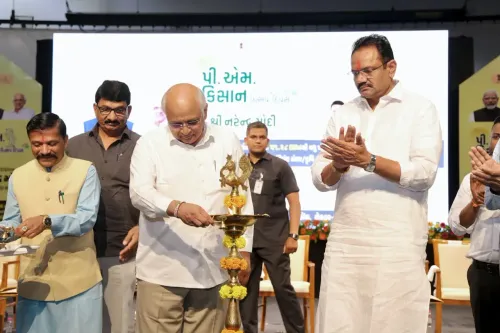
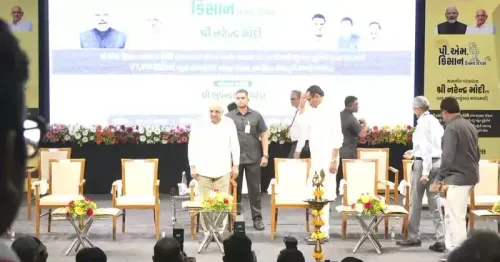
Gujarat CM Bhupendra Patel addressed the PM-KISAN 23rd installment event on 20 June 2026 .
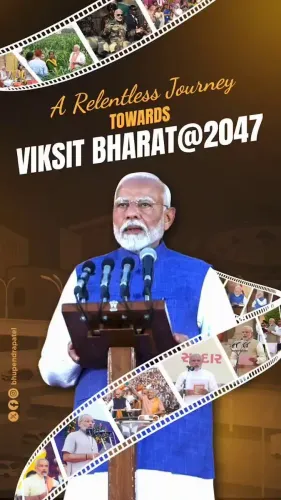
He credited PM Narendra Modi's 12 years of governance for keeping farmer welfare central to national policy.
CM Patel urged farmers to shift to chemical-fertiliser-free natural farming .
He highlighted the construction of 75 Amrit Sarovars per district across all Gujarat districts for water conservation.
The PM-KISAN scheme , launched in February 2019 , provides Rs 6,000 per year in direct transfers to eligible farm families.
Amrit Sarovars are described as contributing significantly to the rural economy and agricultural progress in Gujarat.
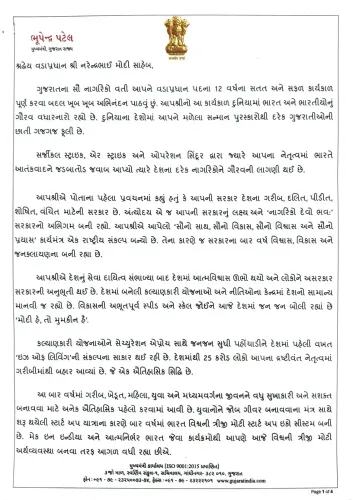
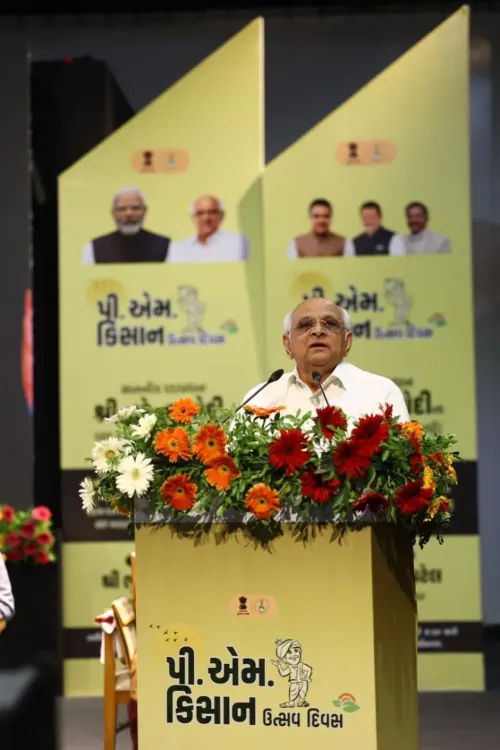
The Chief Minister's Office of Gujarat on Saturday, 20 June 2026, shared remarks by Chief Minister Bhupendra Patel crediting Prime Minister Narendra Modi's 12-year governance record for placing farmer welfare at the centre of national policy and driving all-round agricultural development across India.
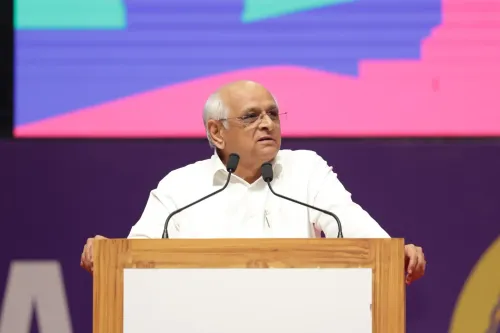
Speaking at an event linked to the 23rd installment of the PM-KISAN scheme, CM Patel stated that the Prime Minister's policies over 12 years of good governance had consistently prioritised farmers, resulting in their economic prosperity and comprehensive growth of the agriculture sector. In the original Gujarati, he noted: 'ખેડૂત આર્થિક રીતે સમૃદ્ધ બન્યો છે' — 'the farmer has become economically prosperous.'
Context
The occasion was the disbursement event for the 23rd installment of PM-KISAN, the central government's flagship direct-benefit-transfer scheme for farmers. Launched in February 2019, the scheme provides eligible landholding farm families with Rs 6,000 per year in three equal tranches credited directly to their bank accounts. Each installment event typically draws participation from state governments across India to amplify outreach.
CM Patel used the platform to urge farmers to adopt natural farming — free from chemical fertilisers — aligning with the central government's broader push to reduce input costs and promote soil health.
Policy Backdrop
Alongside income support, CM Patel highlighted the Amrit Sarovar Mission, announced in April 2022, under which 75 Amrit Sarovars (water bodies) have been successfully constructed in every district of Gujarat. He attributed the initiative to PM Modi's long-term vision for water conservation and storage.
The CM described these water bodies as making a 'significant contribution to the rural economy and agricultural progress,' underscoring the dual role of watershed infrastructure in both irrigation and rural livelihoods. The number 75 per district was chosen as a tribute to India's 75th year of Independence under the Azadi Ka Amrit Mahotsav framework.
Stakeholders and Impact
Farmers and rural communities across Gujarat's districts stand as the primary beneficiaries of both the PM-KISAN income transfers and the Amrit Sarovar water infrastructure. Natural farming advocacy, if adopted widely, could reduce dependence on chemical inputs and lower cultivation costs for smallholders.
The Amrit Sarovar water bodies are designed to support groundwater recharge and provide reliable irrigation access, particularly in rain-dependent farming regions of Gujarat. Their utilisation for agriculture and drinking water directly affects millions of rural households.
What's Next
Attention will now turn to state-level progress reports on natural farming cluster adoption and the actual utilisation rates of the completed Amrit Sarovars for irrigation purposes. Subsequent PM-KISAN installments will be watched as indicators of the scheme's continued reach and the central government's fiscal commitment to direct farmer support.
Gujarat's model of combining income-support disbursement events with on-ground infrastructure messaging may serve as a template for other states seeking to integrate welfare and conservation narratives ahead of the next agricultural season.
Point of View
Anchoring both welfare and conservation milestones to a single leadership tenure. This pattern of state governments co-amplifying central scheme disbursements has become a standard feature of cooperative federalism under the current dispensation.
NationPress
20 Jun 2026
Frequently Asked Questions
What is the PM-KISAN 23rd installment?
The PM-KISAN 23rd installment is the latest tranche of the Pradhan Mantri Kisan Samman Nidhi scheme, which provides Rs 6,000 per year in direct bank transfers to eligible landholding farmer families across India, split into three equal payments.
What are Amrit Sarovars and how many have been built in Gujarat?
Amrit Sarovars are water bodies constructed or rejuvenated under the Amrit Sarovar Mission, announced in April 2022, to boost water conservation and rural development. Gujarat CM Bhupendra Patel stated that 75 such sarovars have been successfully built in every district of Gujarat.
What is natural farming and why is Gujarat promoting it?
Natural farming is a chemical-fertiliser-free agricultural practice aimed at reducing input costs and improving soil health. Gujarat CM Bhupendra Patel urged farmers to adopt it as part of the state and central government's push to lower dependency on synthetic inputs.
When was the PM-KISAN scheme launched?
The PM-KISAN scheme was launched in February 2019 to provide direct income support of Rs 6,000 per year to eligible landholding farmer families across India.
What did Gujarat CM Bhupendra Patel say about PM Modi's agricultural policies?
CM Patel said that PM Modi's 12 years of good governance have consistently placed farmer welfare at the centre of policymaking, leading to the economic prosperity of farmers and all-round development of the agriculture sector.