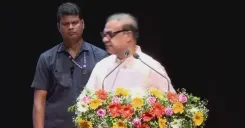
CM Bhupendra Patel Lauds Gujarat Media Amid Heavy Rain Crisis
Synopsis
Gujarat Chief Minister Bhupendra Patel on 25 July 2026 lauded media personnel for providing timely, accurate information to citizens during severe monsoon flooding, calling them partners in public service and urging them to stay safe while on duty.
Key Takeaways
CM Bhupendra Patel publicly praised Gujarat media workers on 25 July 2026 for their role during the state's heavy rain crisis.
The Chief Minister described media personnel as partners in public service alongside the government during the emergency.
Gujarat manages monsoon disasters through its State Disaster Management Authority , which includes structured media engagement protocols.
CM Patel specifically urged journalists and media workers to take care of their personal safety while discharging their duties in hazardous conditions.
Official damage assessments and relief package announcements from the state government are anticipated as the situation develops.
Gujarat Chief Minister Bhupendra Patel on Saturday, 25 July 2026, publicly praised media personnel across the state for their role in keeping citizens informed during a severe monsoon crisis, urging them to also take care of their personal safety while discharging their duties.
Posting in Gujarati on X, CM Patel wrote: 'ગુજરાતમાં ભારે વરસાદના કારણે ઉભી થયેલી સ્થિતિમાં મીડિયા કર્મીઓ નાગરિકોને સમયસર સચોટ માહિતી પહોંચાડીને હાલાકી નિવારવામાં ઉમદા ભૂમિકા નિભાવી રહ્યા છે.' ('In the situation arising due to heavy rains in Gujarat, media workers are playing a commendable role in reaching timely and accurate information to citizens and preventing hardship.')
He further noted that in this time of crisis, media personnel have joined the government in the work of public service, adding: 'I salute this positive work of media workers. While performing your duty, do take care of yourselves as well.'
Context
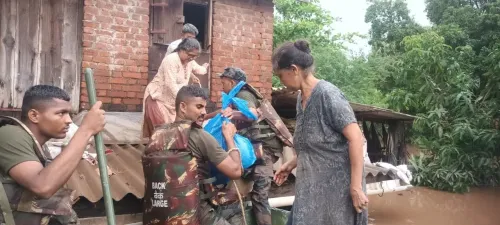
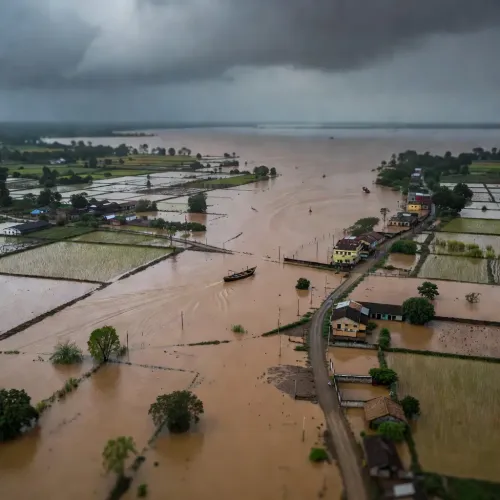
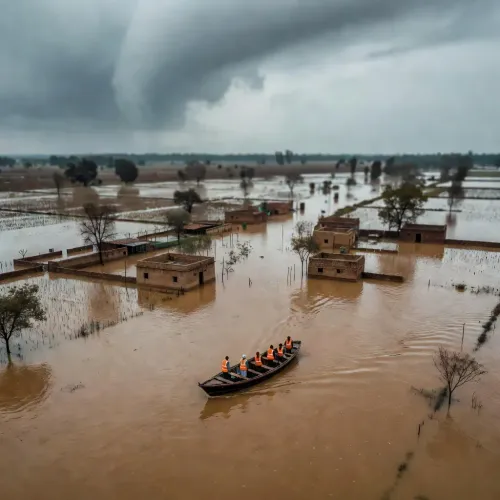
Gujarat is among India's western coastal states most exposed to intense monsoon activity. Seasonal heavy rainfall routinely triggers flooding, displacement, and disruption of essential services across low-lying districts. During such events, real-time ground reporting by local media becomes a critical link between state authorities and affected populations.
The Chief Minister's acknowledgement underscores the frontline nature of journalism during natural disasters, where reporters and camerapersons often operate in hazardous conditions to relay evacuation alerts and relief information.
Policy Backdrop
Gujarat operates a well-established disaster-response framework through its State Disaster Management Authority (SDMA), which includes structured press engagement protocols during emergencies. These protocols are designed to ensure rapid, accurate dissemination of government advisories, flood warnings, and relief-camp locations to the public.
Indian state governments have increasingly recognised media coordination as a formal component of disaster management, with press briefings, designated media liaisons, and real-time update mechanisms integrated into emergency operations. CM Patel's post reflects this institutional understanding of media as a partner, not merely an observer, during crises.
Stakeholders and Impact
The primary beneficiaries of sustained media coverage during the rain crisis are Gujarat's rain-affected citizens — particularly in rural and semi-urban areas where official communication channels may be disrupted. Timely reporting on road closures, shelter locations, and relief distribution directly shapes evacuation decisions at the household level.
For media personnel themselves, the Chief Minister's message carries a dual significance: formal recognition of their public-service contribution and an explicit call to prioritise personal safety — a reminder that journalists covering floods face real physical risk from waterlogging, structural collapses, and fast-moving currents.
What's Next
Official damage assessments and relief package announcements from the Gujarat government are expected as the monsoon situation evolves. Authorities are also likely to convene coordination meetings between the state administration and media bodies to streamline information flow during the ongoing crisis period.
The broader test will be whether the state's disaster-response machinery — and its partnership with the press — translates into measurable reductions in citizen hardship as the monsoon season progresses through August 2026.
Point of View
Particularly in flood-prone states. The personal safety advisory embedded in the message is notable: it humanises the outreach and implicitly acknowledges the physical danger journalists face in the field. Politically, such gestures also serve to maintain a cooperative relationship with the regional press during a period when the administration's crisis-management record is under public scrutiny.
NationPress
25 Jul 2026
Frequently Asked Questions
Why did Gujarat CM Bhupendra Patel praise media workers?
CM Bhupendra Patel praised media workers on 25 July 2026 because they were delivering timely and accurate information to citizens affected by heavy monsoon rains in Gujarat, helping reduce hardship during the crisis.
What is the Gujarat State Disaster Management Authority?
The Gujarat State Disaster Management Authority (SDMA) is the state body responsible for coordinating disaster preparedness and response, including structured engagement with the media to disseminate public alerts during emergencies such as floods.
How does Gujarat handle media coordination during floods?
Gujarat's disaster-response protocols include designated press engagement mechanisms, allowing the state to rapidly relay evacuation notices, flood warnings, and relief-camp information to the public through local media.
What did CM Patel say to media workers about their safety?
CM Patel urged all media workers to take care of their personal safety even while performing their duty, acknowledging the risks journalists face while reporting from flood-affected areas.
What happens after a heavy rain crisis in Gujarat?
Following a heavy rain event, the Gujarat government typically releases official damage assessments, announces relief packages, and may hold coordination meetings with media bodies to improve information flow during the ongoing emergency.