CM Bhupendra Patel lauds health workers on monsoon disease vigil
Synopsis
Gujarat Chief Minister Bhupendra Patel on 25 July 2026 commended health workers for sustaining medical services through monsoon conditions and affirmed that state machinery is working to prevent disease outbreaks once floodwaters recede.
Key Takeaways
CM Bhupendra Patel posted on 25 July 2026 praising Gujarat health workers for their monsoon-season commitment.
The post confirmed that state machinery is 'continuously working' to ensure citizens receive health services during rainfall.
Authorities are focused on preventing an epidemic after floodwaters recede — the highest-risk window for waterborne diseases.
The statement aligns with the National Health Mission (NHM) framework for emergency health response during natural events.
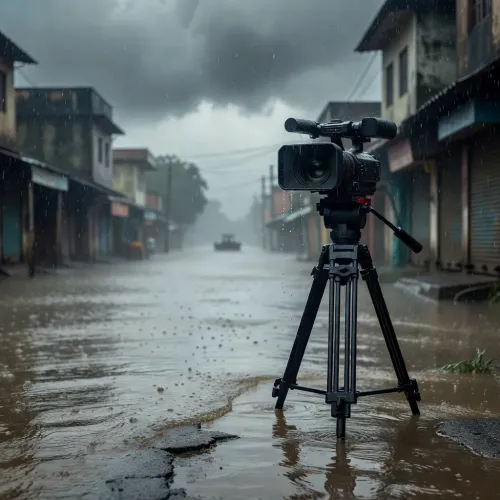
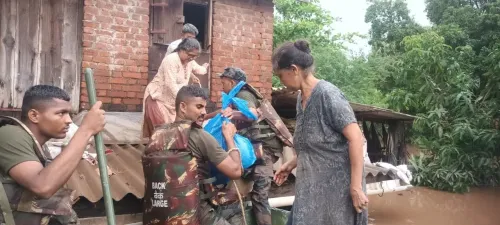
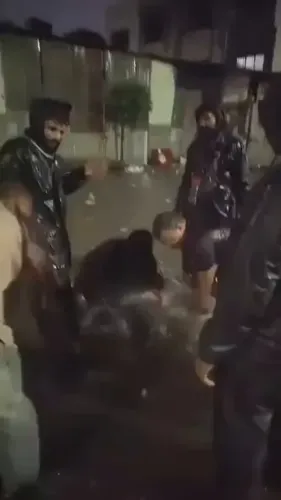
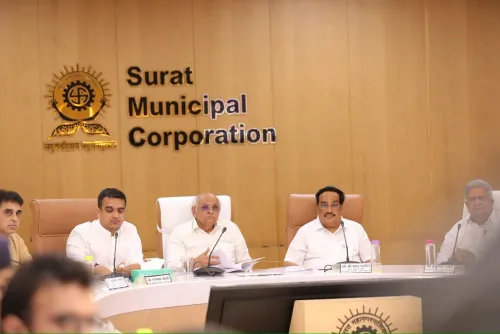
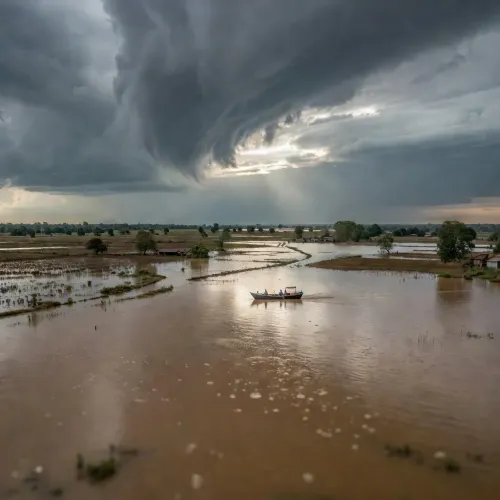
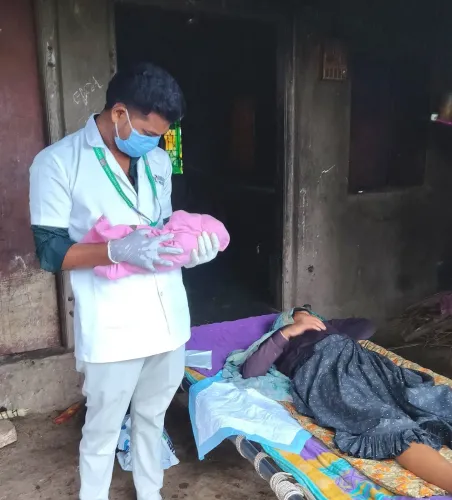
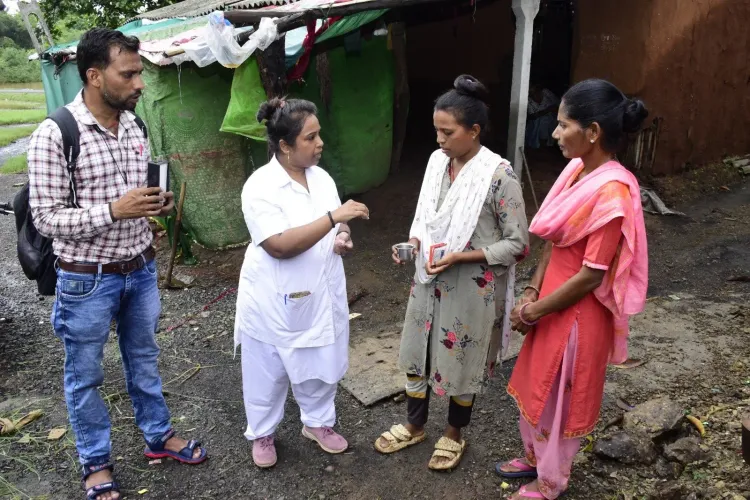
Four images shared with the post indicate active field operations are underway across Gujarat .
Post-monsoon disease surveillance data from the Gujarat Health Department will be the key measure of the response's effectiveness.
Gujarat Chief Minister Bhupendra Patel on Saturday, 25 July 2026, praised state health workers for maintaining continuous medical services during ongoing monsoon conditions and pledged that authorities are working to prevent any post-flood disease outbreak across the state.
Context
Posting in Gujarati on X, CM Patel wrote: 'વરસાદની સ્થિતિમાં નાગરિકોને જરૂરી આરોગ્ય સેવાઓ મળી રહે અને પાણી ઓસરે પછી કોઈ રોગચાળો ન ફેલાય તે સુનિશ્ચિત કરવા તંત્ર સતત કાર્યરત છે.' [Translation: 'The system is continuously working to ensure that citizens receive necessary health services during the rainy conditions and that no epidemic spreads after the water recedes.'] He added that the commitment of health workers is 'commendable.' The post was accompanied by four images, indicating active field operations underway across the state.
Policy Backdrop
The statement aligns with the framework of the National Health Mission (NHM), launched in 2013, which mandates state-level emergency health response during natural events including floods. Under this framework, the Gujarat Health Department is responsible for disease surveillance, outbreak prevention, and deployment of field health teams during monsoon season. Gujarat, which receives significant monsoon rainfall each year, has a standing protocol for waterborne disease containment once floodwaters recede — a period when risks of cholera, leptospirosis, and dengue typically rise.
The Chief Minister's public acknowledgement of health workers fits a pattern of state-level communications during the monsoon months, where visible political messaging reinforces ground-level morale and signals administrative alertness to citizens.
Stakeholders and Impact
Gujarat's residents in flood-affected areas are the primary beneficiaries of the health mobilisation being described. Health workers — including ASHA workers, auxiliary nurse midwives, and district health officers operating under the Gujarat Health Department — form the operational backbone of this response. Their sustained deployment during active rainfall is critical to preventing the surge in waterborne illnesses that historically follows inundation in low-lying districts.
The Chief Minister's public recognition also serves to underscore accountability: by stating on record that 'the system is continuously working,' the administration signals that health service delivery is being monitored at the highest level of state government.
What's Next
Attention will now turn to post-monsoon disease surveillance data from Gujarat health authorities, which will indicate whether the preparedness measures translated into effective outbreak containment. Any announcement of expanded mobile medical units, vector control drives, or district-level health camps in the weeks following peak rainfall will serve as a measure of the administration's follow-through. The Gujarat Health Department's disease reporting in the August–September 2026 window will be the clearest indicator of outcomes.
Point of View
Boosts field-worker morale, and places accountability on the record. The explicit mention of post-flood epidemic prevention signals that the administration is aware of the historically dangerous window after inundation, not just during it. This fits a broader BJP state-government pattern of proactive public messaging during disaster situations, aiming to project administrative competence ahead of any adverse health data. The real test will come in the post-monsoon surveillance figures, which will either validate or complicate this narrative of preparedness.
NationPress
26 Jul 2026
Frequently Asked Questions
What did Gujarat CM Bhupendra Patel say about monsoon health services?
CM Bhupendra Patel stated on 25 July 2026 that the state system is continuously working to ensure citizens receive necessary health services during monsoon conditions and to prevent any epidemic after floodwaters recede.
Why is post-flood disease prevention important in Gujarat?
After floodwaters recede, the risk of waterborne diseases such as cholera, leptospirosis, and dengue rises sharply. Gujarat health authorities focus on this window as a critical period for disease surveillance and outbreak containment.
Which government framework guides Gujarat's monsoon health response?
The National Health Mission (NHM), launched in 2013, provides the national framework under which Gujarat and other states organise emergency health service delivery and disease surveillance during natural events like floods.
Who are the health workers CM Patel praised in his post?
The health workers referenced include field staff operating under the Gujarat Health Department, such as ASHA workers, auxiliary nurse midwives, and district health officers deployed during monsoon conditions.
What should Gujarat residents watch for after the monsoon season?
Residents and observers should watch for post-monsoon disease surveillance data released by Gujarat health authorities, as well as any announcements of mobile medical units or vector control drives in the August–September 2026 period.