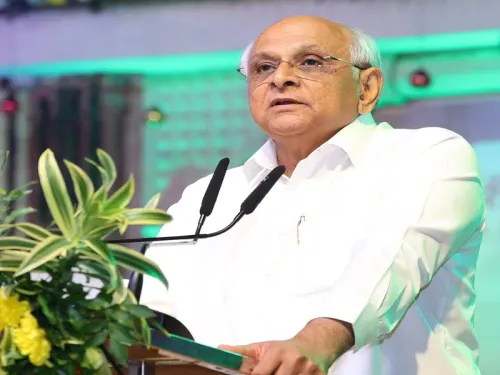
CM Bhupendrabhai Patel Hands Appointment Letters to Revenue Talati Recruits
Synopsis
Chief Minister Bhupendrabhai Patel handed appointment letters to newly recruited Revenue Talati Class-3 candidates at Town Hall, Gandhinagar, on 2 July 2026, and simultaneously launched new citizen-facing revenue services, reinforcing Gujarat's push to strengthen grassroots land-record administration.
Key Takeaways
CM Bhupendrabhai Patel personally presided over the appointment-letter ceremony for Revenue Talati Class-3 recruits on 2 July 2026 .
The event was held at Town Hall, Gandhinagar , the capital of Gujarat.
New revenue services for citizens were simultaneously inaugurated at the ceremony.
Revenue Talatis manage land records, mutation entries, and local revenue collection at the village level.
The drive is part of Gujarat's ongoing effort to fill long-standing vacancies in the state revenue department.
Rollout of the new services across talukas and possible follow-up recruitment notifications are the key developments to watch.
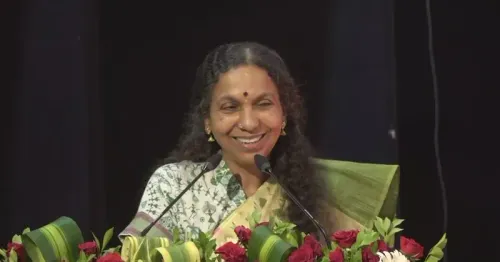
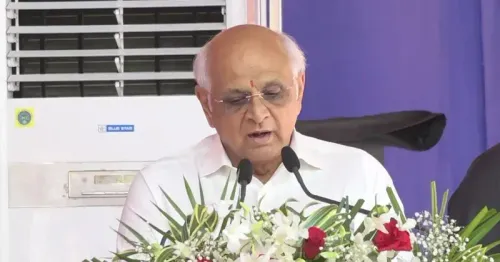
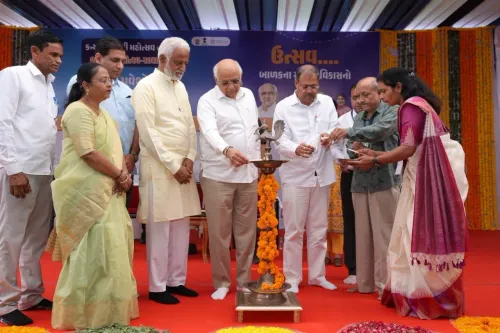
The Chief Minister's Office of Gujarat announced on Thursday, 2 July 2026, that Chief Minister Bhupendrabhai Patel presided over a formal appointment-letter ceremony for newly selected candidates in the Revenue Talati Class-3 cadre, held at Town Hall, Gandhinagar. The event also marked the launch of new revenue services for citizens across the state.
The official post, written in Gujarati, announced: 'મુખ્યમંત્રી શ્રી ભૂપેન્દ્રભાઈ પટેલના વરદ્હસ્તે મહેસુલી તલાટી વર્ગ-૩ સંવર્ગના નવનિયુક્ત ઉમેદવારોને નિમણૂંક પત્ર એનાયત સમારોહ' — ('Appointment letter ceremony for newly appointed candidates of the Revenue Talati Class-3 cadre, at the hands of Chief Minister Shri Bhupendrabhai Patel') — alongside the inauguration of new revenue services.
Context
The Revenue Talati is a village-level government functionary in Gujarat, responsible for maintaining land records, processing mutation entries, and facilitating local revenue collection. These posts are considered the backbone of rural land administration, directly impacting millions of farmers and landowners who depend on timely and accurate record-keeping.
The appointment ceremony at Town Hall, Gandhinagar — the state capital — signals the formal induction of a fresh cohort into this cadre following a recruitment process conducted by the state government.
Policy Backdrop
Gujarat has periodically conducted Class-3 recruitment drives to address long-standing vacancies in the revenue department. Unfilled posts at the talati level have historically caused delays in land-record updates, mutation approvals, and other citizen-facing services in rural talukas.
Parallel to recruitment, the state has invested in digitising revenue workflows — simplifying procedures and introducing online portals — to make land-record services faster and more transparent. The launch of 'new revenue services' announced at today's event fits squarely within this broader administrative modernisation push.
Stakeholders and Impact
The primary beneficiaries of this appointment drive are the newly recruited Revenue Talati candidates themselves, who now receive government employment at the grassroots level. Beyond them, village landowners, farmers, and district collectors across Gujarat stand to benefit from reduced vacancies that have long strained the revenue machinery.
Faster mutation entries and updated land records carry direct economic implications: they enable smoother property transactions, agricultural loan processing, and inheritance settlements for rural households. The simultaneous launch of new revenue services suggests the state is coupling human-resource augmentation with process reform.
What's Next
Attention will now turn to the rollout of the newly launched revenue services across talukas statewide, and whether the government issues follow-up recruitment notifications to fill any remaining vacancies in the cadre. CM Bhupendrabhai Patel's direct participation in the ceremony underscores the political salience the ruling dispensation attaches to visible, grassroots governance delivery ahead of future electoral cycles.
Observers will watch whether the new services — details of which are yet to be formally published — translate into measurable improvements in citizen-service turnaround times at the taluka level.
Point of View
CM Bhupendrabhai Patel reinforces the BJP-led Gujarat government's 'good governance' brand at a time when visible public-employment delivery resonates strongly with voters. The simultaneous launch of new revenue services signals an intent to pair headcount additions with process modernisation — a dual approach that distinguishes this drive from earlier, purely numbers-focused recruitment rounds. Coming in the first half of 2026, the event also keeps the administration's administrative-reform narrative active between election cycles. Whether the new services deliver measurable efficiency gains will determine how durable the political dividend proves to be.
NationPress
2 Jul 2026
Frequently Asked Questions
Who are Revenue Talatis in Gujarat and what do they do?
Revenue Talatis are village-level government employees in Gujarat responsible for maintaining land records, processing mutation entries, and collecting local revenue. They are the primary point of contact for farmers and landowners seeking official land-related services at the taluka level.
When did CM Bhupendrabhai Patel distribute appointment letters to Revenue Talati recruits?
The appointment-letter ceremony took place on 2 July 2026 at Town Hall, Gandhinagar , with CM Bhupendrabhai Patel presiding over the event.
What new revenue services were launched at the Gandhinagar ceremony?
New citizen-facing revenue services were inaugurated alongside the appointment ceremony. Specific details of the services are yet to be formally published by the Gujarat government.
Why is filling Revenue Talati vacancies important for Gujarat?
Unfilled talati posts delay land-record updates, mutation approvals, and other rural services. Filling these vacancies speeds up property transactions, agricultural loan processing, and inheritance settlements for millions of landowners across the state.
How does this recruitment fit into Gujarat's broader governance agenda?
Gujarat has periodically run Class-3 recruitment drives and simultaneously digitised revenue workflows. This event continues that pattern of combining human-resource augmentation with process reform to modernise land administration at the grassroots level.