CM Chandrababu Naidu removes 22A tag from Guttupalle farmlands
Synopsis
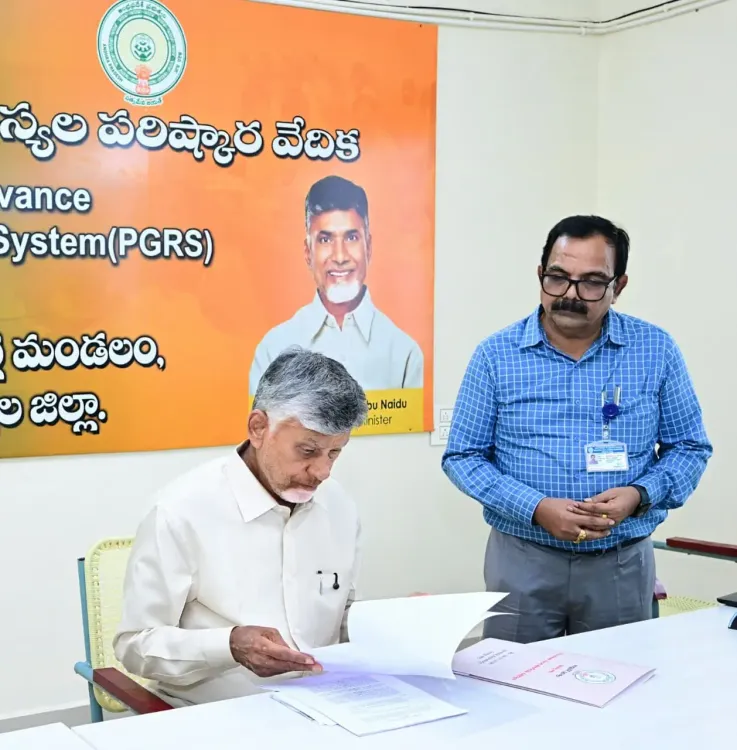
Chief Minister Chandrababu Naidu personally visited the Banaganapalle Tahsildar office on 9 July 2026 to hand farmers of Guttupalle village, Bethamcherla mandal, orders removing their lands from the 22A restricted list — unlocking title transfers and credit access blocked by the previous administration.
Key Takeaways
CM Nara Chandrababu Naidu personally visited the Banaganapalle Tahsildar office on 9 July 2026 to hand over 22A list removal orders to farmers.
The affected lands are in Guttupalle village, Bethamcherla mandal, Nandyal district , Andhra Pradesh.
The 22A classification , placed by the previous administration, had blocked title mutations, Pattadar Passbook issuance, and credit access for local farmers.
Removal from the list enables affected ryots to pursue formal land mutations, obtain Pattadar Passbooks , and access institutional agricultural credit.
The move continues the state's push to modernise land records, building on the Bhudhaar portal and passbook initiatives from the 2014–2019 TDP tenure .
Further district-level 22A removal orders covering additional villages are expected as the government scales the initiative.
The Chief Minister's Office of Andhra Pradesh announced on Thursday, 9 July 2026 that Chief Minister Nara Chandrababu Naidu personally visited the Banaganapalle Tahsildar office to hand over orders removing farmlands in Guttupalle village, Bethamcherla mandal from the 22A restricted list — a revenue classification that had blocked title transfers and credit access for local farmers.
Context
The post, shared by the official Chief Minister's Office account, states in Telugu that lands placed on the 22A list by previous governments in Guttupalle have now been 'freed' (విముక్తి కలిగించారు — 'granted liberation') by CM Naidu. The Chief Minister personally travelled to the Banaganapalle Tahsildar office to resolve the land dispute and hand the removal orders directly to the affected farmers.
The 22A list is a revenue classification in Andhra Pradesh's land records system used to flag disputed or restricted parcels. Inclusion in this list prevents mutations, passbook issuance, and formal credit access — effectively freezing a farmer's ability to legally transact or borrow against their land.
Policy Backdrop
Andhra Pradesh has a long history of contested land classifications, with successive administrations adding or removing parcels from restricted lists depending on litigation status and political priorities. During the earlier TDP government (2014–2019), the state advanced computerised land records and the Bhudhaar portal to issue clearer Pattadar Passbooks to cultivators — a push that the current administration appears to be continuing.
A personal visit by the Chief Minister to a tahsildar office is an unusual step, signalling a deliberate effort to give the action public visibility and communicate responsiveness to farmers at the grassroots level. The hashtags #PattadarPassbooks and #FarmersFriendlyGovt used in the post reinforce this framing.
Stakeholders and Impact
The primary beneficiaries are ryots (farmers) of Guttupalle village whose lands had been locked in the 22A classification by the previous administration. Removal from the list means these farmers can now pursue formal mutations, obtain or update their Pattadar Passbooks, and access institutional credit against their holdings.
Broader stakeholders include farmers across Bethamcherla mandal in Nandyal district and revenue officials who will now process the orders. Land disputes of this nature often have cascading effects on agricultural credit flows and crop-loan eligibility in the affected villages.
What's Next
The immediate next step is the formal processing of the 22A removal orders by the Banaganapalle Tahsildar office and the subsequent updating of entries on the state's land records portal. Observers will watch for similar district-level orders covering additional villages and any revision to statewide Bhudhaar portal or Pattadar Passbook distribution targets.
The move also sets a precedent for direct executive intervention in revenue disputes, which could prompt other mandals with pending 22A grievances to escalate cases to the Chief Minister's Office for resolution.
Point of View
Voter-facing deliverable in rural Andhra Pradesh. The move also implicitly indicts the previous YSRCP administration, framing the 22A classification as a tool of the 'past rulers' rather than a neutral legal status. If replicated across other disputed villages, it could meaningfully accelerate passbook distribution and institutional credit access for cultivators across the state.
NationPress
9 Jul 2026
Frequently Asked Questions
What is the 22A list in Andhra Pradesh land records?
The 22A list is a revenue classification in Andhra Pradesh used to flag disputed or restricted land parcels. Lands on this list cannot have mutations processed, Pattadar Passbooks issued, or be used as collateral for institutional loans, effectively freezing the farmer's legal rights over the property.
What did CM Chandrababu Naidu do at Banaganapalle Tahsildar office?
CM Chandrababu Naidu personally visited the Banaganapalle Tahsildar office on 9 July 2026 and handed farmers of Guttupalle village, Bethamcherla mandal, official orders removing their lands from the 22A restricted list.
Which village's land dispute was resolved by CM Naidu on 9 July 2026?
The land dispute resolved was in Guttupalle village, located in Bethamcherla mandal, Nandyal district, Andhra Pradesh.
What are Pattadar Passbooks and why do they matter for farmers?
Pattadar Passbooks are official land-ownership documents issued to cultivators in Andhra Pradesh. They serve as proof of title and are required to access crop loans, government subsidies, and other agricultural benefits. Lands on the 22A list cannot have these passbooks issued.
Who put Guttupalle lands on the 22A list?
According to the Chief Minister's Office post, the lands were placed on the 22A restricted list by the previous government. The exact administration and the specific legal grounds for the original classification have not been detailed in the official communication.