CM Conrad Sangma Holds Public Durbar, Meets 24 Groups
Synopsis
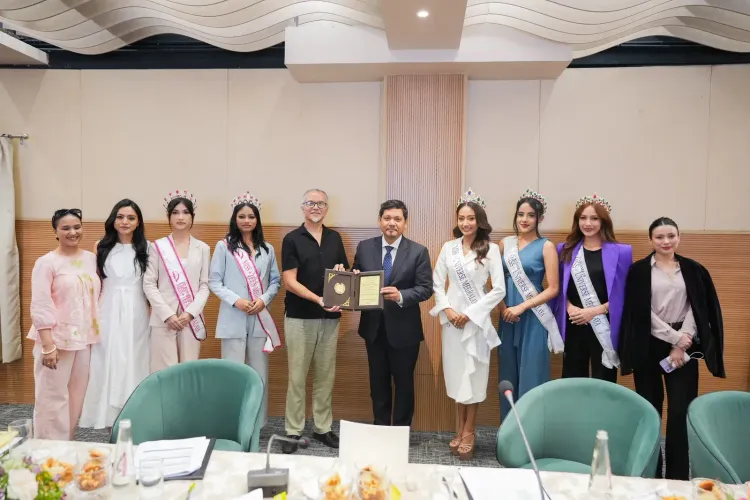
Meghalaya Chief Minister Conrad Sangma held a Public Durbar on 1 July 2026, meeting 24 citizen groups in a direct community engagement session rooted in the state's tribal consultative tradition and his administration's grassroots outreach approach.
Key Takeaways
CM Conrad Sangma held a Public Durbar on 1 July 2026 , meeting representatives from 24 groups .
The Chief Minister described the durbar as 'a greater opportunity to serve our communities through personal interactions.' The Public Durbar format allows citizens to bypass bureaucratic layers and bring grievances directly to the Chief Minister's office.
The durbar tradition in Meghalaya has roots in the traditional community governance systems of the Khasi, Garo, and Jaintia peoples, predating statehood in 1972 .
Conrad Sangma has served as Chief Minister since 2018 and is also national president of the National People's Party .
Follow-up welfare and infrastructure decisions arising from the group meetings are expected to be tracked by the Meghalaya CMO .
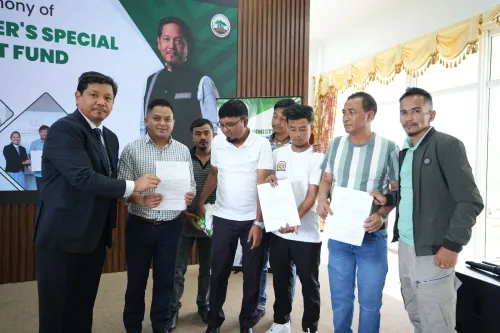
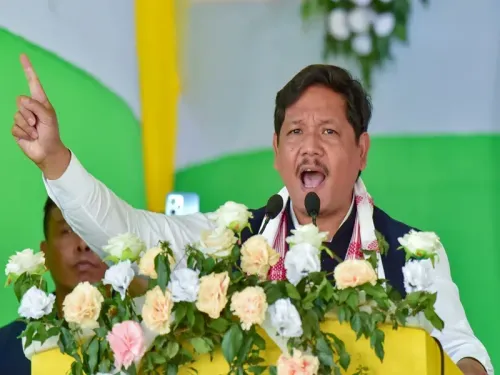
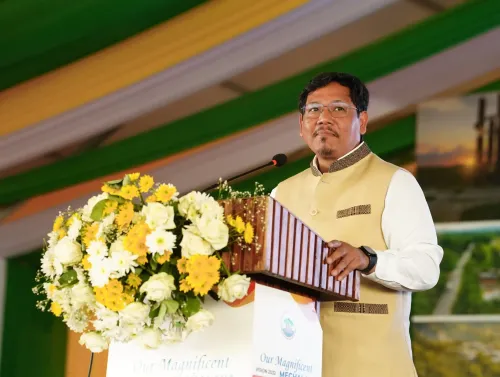
Meghalaya Chief Minister Conrad Sangma held a Public Durbar on Wednesday, 1 July 2026, meeting 24 groups of citizens in a direct public outreach session aimed at grassroots grievance redressal and community engagement.
Context
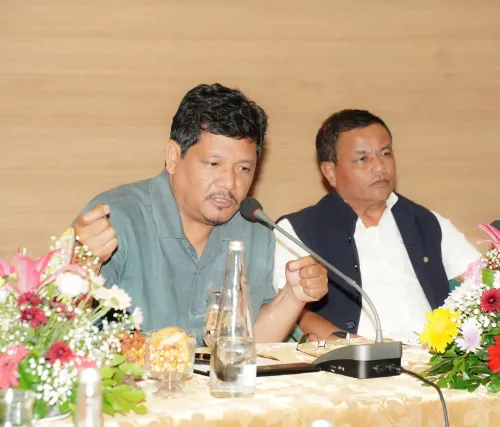
Posting on X, CM Sangma described the Public Durbar as 'a greater opportunity to serve our communities through personal interactions,' underlining the value his administration places on face-to-face engagement with constituents. The session saw him receive delegations from 24 separate groups, spanning what are typically local community bodies, welfare organisations, and tribal representatives seeking direct access to the Chief Minister's office.
The Public Durbar format provides citizens a structured channel to bring petitions, development requests, and grievances directly before the state's top executive — bypassing bureaucratic layers that can slow redressal in a geographically complex state like Meghalaya.
Policy Backdrop
The durbar tradition in Meghalaya carries deep historical resonance. Among the Khasi, Garo, and Jaintia communities, traditional durbars have functioned as local decision-making forums since well before the state attained full statehood in 1972. The Public Durbar held by the Chief Minister's office consciously draws on this legacy, framing modern governance within a culturally familiar consultative framework.
Across India, chief ministers periodically hold open public meetings as tools for direct citizen engagement, particularly in states with challenging terrain and dispersed populations. In Meghalaya, which has a predominantly tribal population spread across hills and valleys, such direct-access mechanisms carry additional administrative importance, bridging the gap between the state capital Shillong and remote communities.
Stakeholders and Impact
Local communities and tribal groups are the primary beneficiaries of the Public Durbar format. For citizens in a state where geography can make routine bureaucratic access difficult, a direct audience with the Chief Minister offers a meaningful avenue for raising concerns on issues ranging from infrastructure and welfare schemes to land and forest rights.
CM Sangma, who has served as Chief Minister since 2018 and also holds the position of national president of the National People's Party (NPP), has consistently positioned community outreach as a pillar of his administration. The NPP-led ruling coalition in Meghalaya has used such engagements to maintain close ties with the state's diverse tribal constituencies.
What's Next
The outcomes of the 24 group meetings held on 1 July 2026 — including any follow-up decisions on welfare, infrastructure, or community development — are expected to be tracked through the Meghalaya Chief Minister's Office in the days ahead. Observers will watch whether specific demands raised during the durbar translate into policy directives or administrative action.
If the administration maintains a regular cadence of Public Durbars, the sessions could become a measurable indicator of the government's responsiveness to grassroots concerns, particularly as Meghalaya navigates development priorities in its tribal heartland.
Point of View
Lending his administration a culturally grounded legitimacy. Meeting 24 groups in a single sitting signals both the scale of citizen demand for direct access and the administration's intent to be seen as responsive at the grassroots level. For the NPP, which depends on tribal community support to sustain its coalition in Shillong, such visible engagement serves a dual purpose: it is simultaneously a governance tool and a political signal. The consistency and follow-through on durbar outcomes will ultimately determine whether these sessions are perceived as substantive policy inputs or ceremonial accessibility theatre.
NationPress
1 Jul 2026
Frequently Asked Questions
What is a Public Durbar in Meghalaya?
A Public Durbar is a formal public audience session where citizens and community groups can meet directly with senior officials or the Chief Minister to present grievances, development requests, and welfare concerns without going through multiple bureaucratic layers. In Meghalaya, the format echoes traditional tribal durbar systems used by Khasi, Garo, and Jaintia communities for collective decision-making.
How many groups did CM Conrad Sangma meet at the Public Durbar on 1 July 2026?
CM Conrad Sangma met 24 groups at the Public Durbar held on 1 July 2026 , as he confirmed in a post on X.
What is the National People's Party and who leads it?
The National People's Party (NPP) is a regional political party founded in 2013 that leads the ruling coalition in Meghalaya. Conrad Sangma serves as both Chief Minister of Meghalaya and national president of the NPP.
Why are Public Durbars important in Meghalaya?
Meghalaya has a predominantly tribal population spread across hilly and geographically challenging terrain, making routine bureaucratic access difficult for many communities. Public Durbars provide a direct channel to the Chief Minister, making them especially significant for raising issues related to infrastructure, welfare schemes, land rights, and community development.
How long has Conrad Sangma been Chief Minister of Meghalaya?
Conrad Sangma has served as Chief Minister of Meghalaya since 2018 , leading the NPP-led coalition government in the state.