CM Conrad Sangma Hosts Japanese Corporate Leaders in Shillong
Synopsis
Meghalaya CM Conrad Sangma hosted senior executives from Hitachi Corporation, Daisei Holdings, and ASEAN Group Co. Ltd. in Shillong on October 17, 2026, deepening the state's outreach to Japanese corporate investors under India's Act East Policy.
Key Takeaways
Meghalaya Chief Minister Conrad Sangma met three Japanese corporate leaders in Shillong on October 17, 2026 .
The delegation included Toshiaki Nishikawa (Chairman & CEO, ASEAN Group Co.
Ltd.), Toshihide Setogawa (Senior Managing Director, Daisei Holdings Corporation), and Nobumasa Ito (President, Hitachi Corporation).
Hitachi Corporation is a Japanese multinational active in electronics, infrastructure, and industrial technology.
The meeting aligns with India's Act East Policy , which encourages state-level economic engagement with Japan and ASEAN nations.
Northeast states have stepped up outreach to Japanese firms for technology, connectivity, and infrastructure partnerships in recent years.
Any follow-up MoUs or investment proposals from the Shillong discussions will be the key indicator of outcomes.
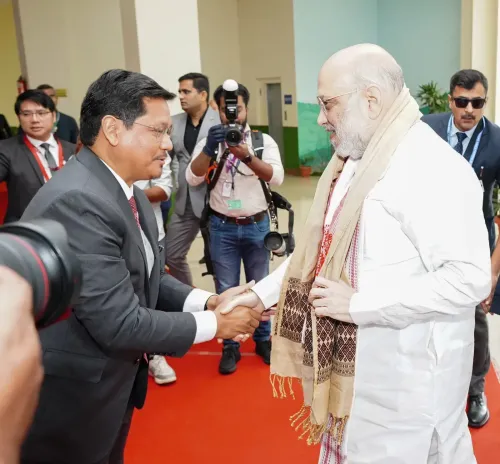
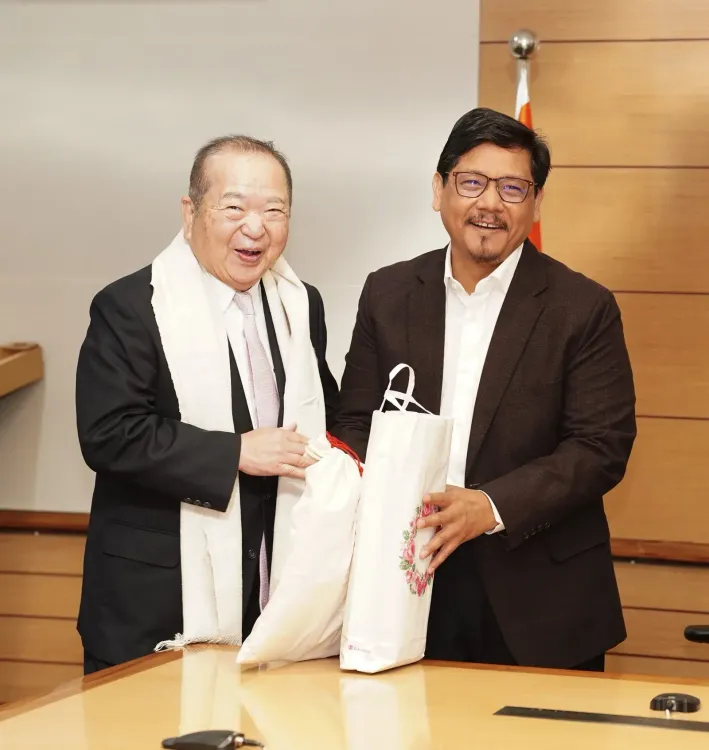
Three senior executives from major Japanese corporations landed in Shillong on Saturday, October 17, 2026 — and Meghalaya Chief Minister Conrad Sangma was at the door to welcome them, signalling the hill state's continued push to draw Northeast-focused investment from East Asia.
Sangma met with Mr. Toshiaki Nishikawa, Chairman and CEO of ASEAN Group Co. Ltd., Mr. Toshihide Setogawa, Senior Managing Director of Daisei Holdings Corporation, and Mr. Nobumasa Ito, President of Hitachi Corporation — three names spanning logistics, real estate, and industrial technology. 'Glad to connect,' Sangma wrote on X, welcoming them to Meghalaya's capital.
Hitachi, Daisei and ASEAN Group: What Each Name Brings to the Table
Hitachi Corporation is a Japanese multinational conglomerate with deep roots in electronics, infrastructure, and industrial technology — the kind of partner a developing hill state eyes for smart infrastructure and energy solutions. Daisei Holdings operates in construction and real estate development, sectors critical to Meghalaya's connectivity ambitions. ASEAN Group Co. Ltd. rounds out a delegation that collectively touches every pillar of physical and economic infrastructure.
Together, the three firms represent a breadth of interest that goes well beyond a courtesy call. Northeast India's geography — bordering Bangladesh, Bhutan, China, and Myanmar — makes it a strategic corridor that Tokyo-linked capital has increasingly recognised as the next frontier.
Meghalaya Inside India's Act East Push
The Shillong meeting fits squarely into India's Act East Policy, upgraded in 2014, which charges state governments — not just Delhi — with building economic bridges to Japan and the ASEAN bloc. Meghalaya under the Sangma government has hosted a steady stream of similar business delegations, each visit framed around tourism, connectivity, and industrial diversification.
Northeast states have ramped up outreach to Japanese firms in particular, drawn by Japan's long-term financing instruments and appetite for infrastructure projects in challenging terrain. For Meghalaya, a state that relies heavily on coal, tourism, and agriculture, partnerships with technology and construction majors could reshape the investment profile entirely.
Whether Saturday's meetings crystallise into formal proposals or memoranda of understanding will be the real measure of the day. But the assembly of three C-suite executives from distinctly different Japanese corporate universes in a single Shillong sitting is, by itself, a signal worth watching.
Point of View
Hosting a trio of Japanese executives spanning infrastructure, construction, and technology in a single sitting is a deliberate diversification play for a state economy historically dependent on coal and tourism. The broader Northeast pattern of Japanese corporate interest is real, but the decisive question is always conversion: how many of these high-profile visits translate into signed projects and on-ground capital. Sangma's track record of similar delegations gives him a credibility advantage — though the state still needs to show bankable project pipelines to move from photogenic welcomes to transformative partnerships.
NationPress
17 Oct 2026
Frequently Asked Questions
Who did Meghalaya CM Conrad Sangma meet in Shillong in October 2026?
CM Conrad Sangma met three Japanese corporate leaders: Toshiaki Nishikawa (Chairman & CEO of ASEAN Group Co. Ltd.), Toshihide Setogawa (Senior Managing Director of Daisei Holdings Corporation), and Nobumasa Ito (President of Hitachi Corporation) in Shillong on October 17, 2026.
What is Hitachi Corporation's role in India?
Hitachi Corporation is a Japanese multinational conglomerate active in electronics, infrastructure, and industrial technology, and has been part of various infrastructure and technology engagements across India.
What is India's Act East Policy and how does it relate to Meghalaya?
India's Act East Policy, upgraded in 2014, promotes economic engagement with Japan and ASEAN nations, with Northeast states like Meghalaya serving as gateways. State governments are encouraged to directly attract investment and build partnerships with East Asian firms.
Why are Japanese firms interested in Northeast India?
Northeast India's strategic location bordering Bangladesh, Bhutan, China, and Myanmar makes it a key corridor. Japanese firms with expertise in infrastructure, construction, and technology see the region as a long-term investment frontier, often backed by Japan's development financing instruments.
What outcomes are expected from CM Sangma's meeting with the Japanese delegation?
No formal MoUs or investment proposals have been announced yet. Follow-up announcements on investment proposals or memoranda of understanding from the Shillong meetings will be the key indicators of concrete outcomes.