CM Conrad Sangma marks 10 years of DMF in Meghalaya
Synopsis
Meghalaya CM Conrad Sangma attended the DMF 10th anniversary event in Shillong, highlighting ₹181 crore mobilised, 923 projects sanctioned, and a pivot toward tourism, food processing, and livelihood assets to build a post-extraction economy.
Key Takeaways
₹181 crore has been mobilised under Meghalaya's District Mineral Foundation over the past decade.
923 projects have been sanctioned under DMF; 542 are complete while around 381 remain ongoing.
Completed works include classrooms, health facilities, drinking water systems, monsoon footbridges, and quarry restoration projects.
CM Sangma called for DMF funds to shift toward income-generating assets — eco-tourism, bee products, silkworm rearing, weaving centres, and district emporiums.
Meghalaya's mining sector operates under a unique community land ownership system, distinguishing it from most other Indian states.
Union Coal Minister G.
Kishan Reddy was tagged in the post, signalling state-centre coordination on the next DMF phase.
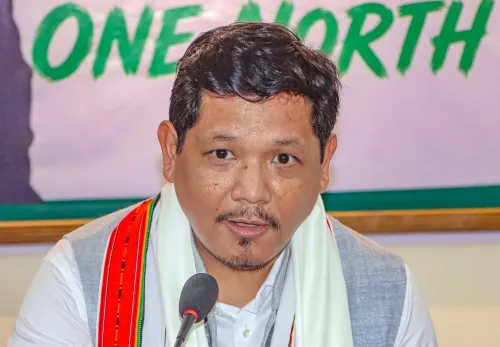
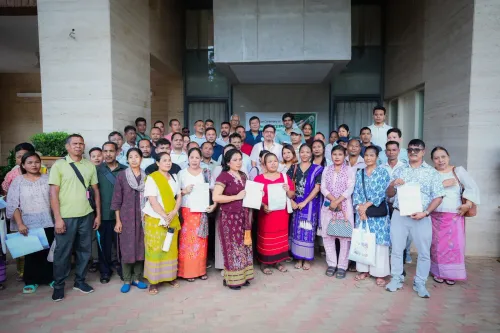
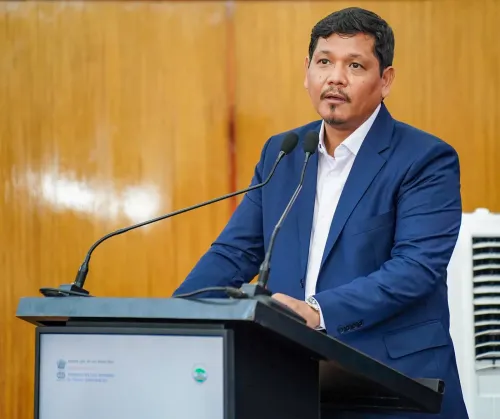
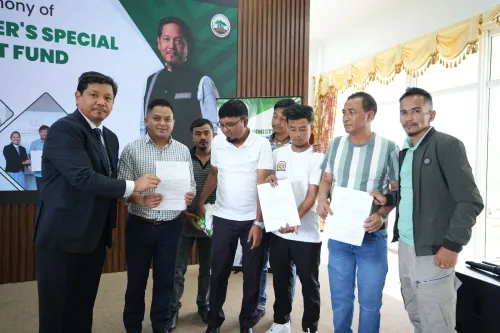
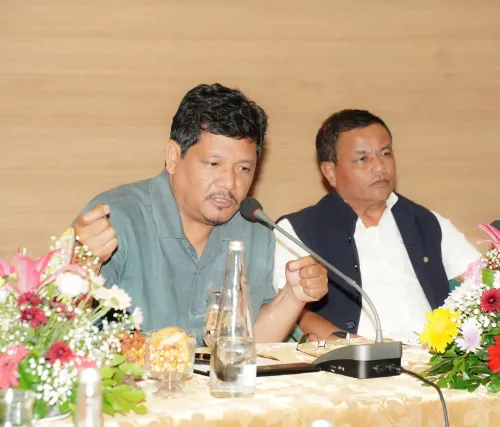
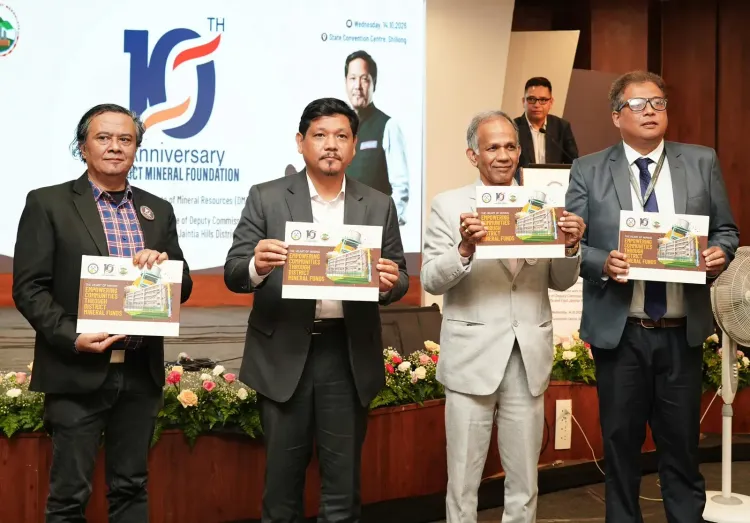
Shillong, October 14, 2026 — A decade after India mandated that mining districts set aside royalty revenue for local welfare, Meghalaya Chief Minister Conrad Sangma stood at the State Convention Centre, Shillong, to take stock of what those funds have actually built — and how much further they need to go.
Addressing a programme marking the 10th anniversary of the District Mineral Foundation (DMF), Sangma cited figures that frame both the achievement and the gap. Meghalaya's DMF has mobilised ₹181 crore, sanctioned 923 projects, and completed 542 of them — classrooms, health facilities, drinking water systems, monsoon-proof footbridges, and quarry restoration works including water conservation dams and tree plantation drives. Nearly four in ten sanctioned projects remain unfinished. The CM's message to districts was direct: no more delay.
Why Meghalaya's mining story is unlike any other state's
The DMF was born out of the Mines and Minerals (Development and Regulation) Amendment Act, 2015, which required all mining lease holders across India to contribute a share of royalties into district-level trusts for local area development. In most states, that meant large corporate lease holders writing cheques. In Meghalaya, the picture is far more complex.
Coal and other minerals here sit under land owned not by the state but by communities — a traditional tenure system that makes the sector simultaneously a livelihood engine and a regulatory puzzle. Years of largely unregulated extraction drew national scrutiny, and the push toward 'scientific and sustainable mining practices' (as Sangma put it) is both an environmental imperative and a political balancing act. Any tightening of rules touches community livelihoods directly, which explains why the Chief Minister was careful to frame reform and support as two sides of the same coin.
From welfare spending to a 'regenerative economy'
The sharper signal in Sangma's address was a pivot in ambition. The first decade of DMF was, broadly, about fixing what extraction had broken — restoring quarry land, connecting villages, stocking health posts. The next phase, he argued, should be about building income-generating assets that outlast the mines themselves.
He pointed to early models already operating on the ground: an eco-tourism park and a value-added bee products unit at Nengmandalgre, silkworm rearing and a weaving centre in Ri Bhoi, and a district emporium for local products. Tourism, food processing, and entrepreneurship, he said, are the sectors that can convert a finite mineral stock into a durable economic base. The framing — 'turn our mineral wealth into a regenerative economy' — signals that Meghalaya is trying to write a post-extraction story before the extraction is over, a sequence many resource-rich regions attempt too late.
Union government in the frame — Kishan Reddy tagged
Sangma's post tagged Union Coal Minister G. Kishan Reddy and the Coal Ministry, a deliberate signal that the state is looking for central alignment on the next phase of DMF deployment. The National Mineral Policy 2019 had already pushed for community benefit sharing and scientific mining; what districts in Meghalaya now need is policy clarity on how DMF funds can be structured into livelihood endowments rather than one-off infrastructure spends.
With nearly 381 projects still incomplete, the immediate test is administrative — ensuring fund utilisation rates rise and contractors deliver. But the larger bet Sangma is making is strategic: that a state whose mining sector operates under community land ownership is uniquely positioned to model an inclusive, locally-rooted mineral economy, if the governance catches up.
Meghalaya has a decade of DMF data to learn from. The question now is whether the next decade's projects get finished — and whether the ones that generate income outlast the ones that merely spent it.
Point of View
He is trying to decouple the state's development story from the volatility of extraction cycles, a move that resonates with both environmental concerns and the community land-ownership politics that define the state. Tagging the Union Coal Ministry signals a bid for central policy and possibly financial support, consistent with NPP's strategy of cooperative federalism as a lever for smaller, northeast states. The real test will be whether fund utilisation rates — a persistent weakness across DMF districts nationwide — improve enough to validate the ambition.
NationPress
14 Oct 2026
Frequently Asked Questions
What is the District Mineral Foundation (DMF)?
The DMF is a statutory trust established under the Mines and Minerals (Development and Regulation) Amendment Act, 2015, requiring mining lease holders to contribute a share of royalties for welfare and development in affected districts.
How much has Meghalaya's DMF collected and spent so far?
According to CM Conrad Sangma, Meghalaya's DMF has mobilised ₹181 crore over ten years, sanctioning 923 projects of which 542 have been completed.
What kind of projects has DMF funded in Meghalaya?
DMF funds in Meghalaya have built classrooms, health facilities, drinking water supply systems, monsoon footbridges, quarry restoration works, eco-tourism parks, bee product units, silkworm rearing centres, weaving centres, and district emporiums.
Why is mining in Meghalaya different from other Indian states?
Meghalaya's mineral resources largely sit under community-owned land rather than state-controlled land, making regulation more complex and directly tying any mining policy to community livelihoods and traditional land tenure.
What did CM Conrad Sangma urge districts to do at the DMF event?
Sangma urged all districts to actively utilise DMF funds, complete ongoing projects without delay, and invest in tourism, food processing, and entrepreneurship to build a sustainable, income-generating economy from mineral wealth.