CM Conrad Sangma Marks 108th Garo Labour Corps Day
Synopsis
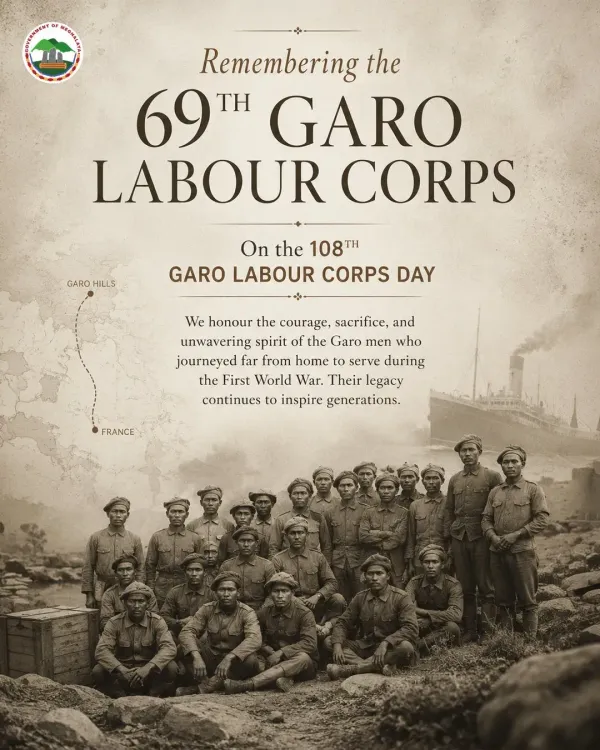
Meghalaya Chief Minister Conrad Sangma on 16 July 2026 commemorated the 108th anniversary of the 69th Garo Labour Corps Day, honouring Garo forefathers recruited by the British who served in France during World War I. The annual observance celebrates their bravery and safe return to their homeland.
Key Takeaways
Meghalaya Chief Minister Conrad Sangma marked the 108th anniversary of 69th Garo Labour Corps Day on 16 July 2026 .
The day commemorates Garo labourers recruited by the British around 1917 who served in France during World War I .
The commemoration marks the safe return of the corps to Garo Hills, Meghalaya and celebrates their international recognition for bravery.
The Garo community of Meghalaya observes this as a significant annual marker of ethnic heritage and historical memory.
Annual state-level tributes of this kind form part of broader efforts across Northeast India to document indigenous tribal participation in 20th-century global conflicts.
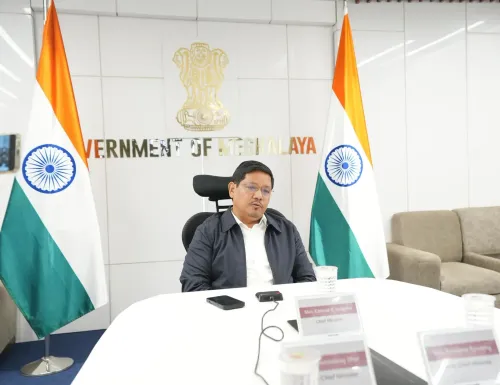
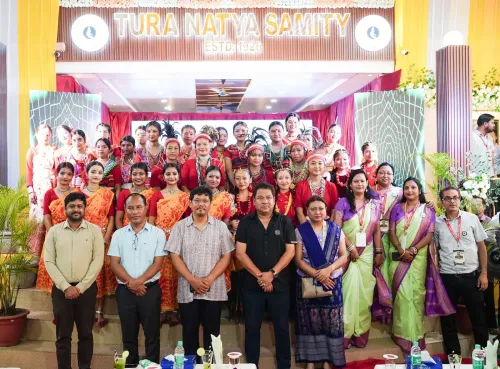
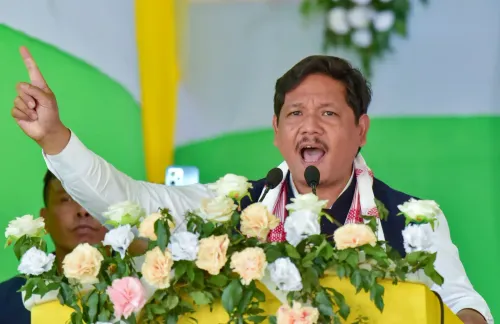
Meghalaya Chief Minister Conrad Sangma on Thursday, 16 July 2026, paid tribute to the 69th Garo Labour Corps on the occasion of its 108th anniversary, honouring the Garo forefathers who served in France during World War I and returned safely to their homeland.
Context
In his post on X, Chief Minister Sangma wrote: 'Today, we celebrate the 108th anniversary of the 69th Garo Labour Corps Day in honour of our Garo forefathers who offered their service in World War I in France. This day marks their safe arrival to our land and is a celebration of their bravery that won them international recognition.'
The commemoration is observed annually in Meghalaya to mark the return of Garo labourers who were recruited by the British to support Allied operations in Europe. The day is regarded as a moment of collective pride for the Garo community across the state.
Policy Backdrop
The 69th Garo Labour Corps was among several Indian labour units recruited from Northeast India — including from Garo Hills and Khasi areas — by British colonial authorities around 1917 to serve in France and other theatres of World War I (1914–1918).
These units did not serve in a combat role but provided essential logistical and construction support to Allied forces. Their contribution, long underrepresented in mainstream accounts of the war, has increasingly become a subject of state-level recognition in Northeast India.
Stakeholders and Impact
The Garo community, one of the principal tribal groups of Meghalaya concentrated in the Garo Hills region, holds this commemoration as a living thread of ethnic heritage and historical memory. Descendants of the original corps members participate in annual observances that reinforce a sense of shared identity.
Broader commemorations of this kind across Northeast India sit within a wider national effort to document indigenous and tribal participation in 20th-century global conflicts — a history that official colonial records often marginalised. Chief Minister Sangma, as both head of government and national president of the National People's Party (NPP), lends significant political weight to the occasion.
What's Next
Observers will watch for any state government announcements linked to this anniversary — including potential investments in war memorials, archival documentation projects, or the integration of Garo Labour Corps history into Meghalaya's school curricula. Such steps would mark a concrete policy follow-through to the symbolic tribute paid by the Chief Minister.
As Northeast India continues to assert the distinctiveness of its tribal contributions to modern history, annual events like Garo Labour Corps Day are likely to gain greater visibility at both the state and national level.
Point of View
' Sangma frames tribal Northeast India's contribution to World War I as a source of dignified pride rather than colonial-era subordination. This fits a broader pattern across the Northeast where political leaders use heritage commemoration to consolidate community loyalty and assert regional distinctiveness within the Indian national narrative. Whether the tribute translates into concrete policy — memorials, curricula, archival projects — will determine its lasting impact beyond the anniversary cycle.
NationPress
16 Jul 2026
Frequently Asked Questions
What is the 69th Garo Labour Corps Day?
The 69th Garo Labour Corps Day is an annual commemoration in Meghalaya that marks the return of Garo labourers who served in France during World War I under British recruitment around 1917. The day celebrates their bravery and safe homecoming to the Garo Hills region.
Why did Garo people serve in World War I?
The British colonial administration recruited labour units from several Northeast Indian communities, including the Garo and Khasi peoples, around 1917 to provide logistical and construction support to Allied forces in France and other war theatres during World War I (1914–1918).
Who is Conrad Sangma?
Conrad Sangma is the Chief Minister of Meghalaya and the national president of the National People's Party (NPP). He represents the South Tura constituency and has led the Meghalaya government since 2018.
Where is the Garo community located in India?
The Garo community is one of the principal tribal groups of Meghalaya in Northeast India, primarily concentrated in the Garo Hills region comprising districts such as West Garo Hills, East Garo Hills, and South Garo Hills.
How is Garo Labour Corps Day significant for Meghalaya?
The day is a key marker of ethnic heritage for the Garo community and forms part of wider state-level efforts in Northeast India to document and celebrate indigenous tribal contributions to 20th-century global history that were long underrepresented in mainstream colonial records.