CM Dhami: Tribal communities show path to sustainable development
Synopsis
Chief Minister Pushkar Singh Dhami of Uttarakhand has stated that tribal communities, through their traditional knowledge and harmony with nature, offer a model for sustainable development — placing indigenous wisdom at the centre of the state's policy discourse.
Key Takeaways
CM Pushkar Singh Dhami credited tribal communities with demonstrating a path to sustainable development through traditional knowledge and collective living.
Uttarakhand is home to recognised tribal groups including the Bhotia, Jaunsari and Tharu communities in high-altitude and forested regions.
The statement aligns with India's SDG commitments , under which several states have linked indigenous ecological practices to formal environment policy.
The Forest Rights Act, 2006 provides the legislative foundation for recognising tribal communities as custodians of forests and natural resources.
Policy observers will watch for follow-up budget allocations or scheme notifications that operationalise the CM's stated philosophy in tribal areas.
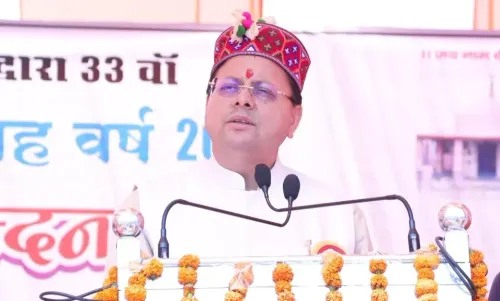
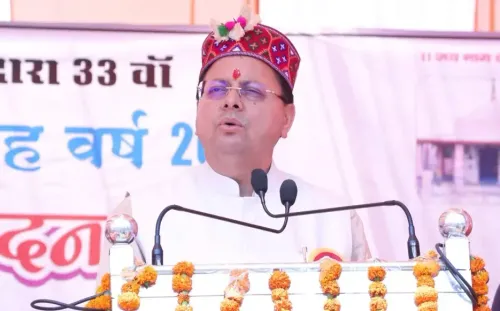
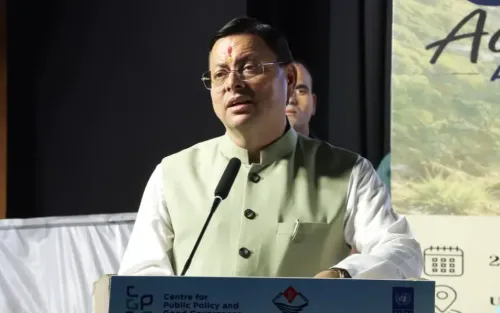
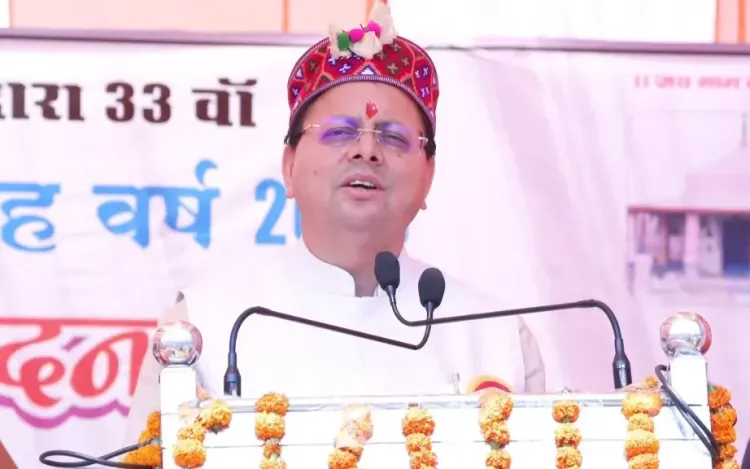
The Chief Minister's Office of Uttarakhand, on Monday, 8 June 2026, shared a statement by Chief Minister Pushkar Singh Dhami underlining the role of tribal communities as living models of sustainable development, drawing on their traditional ecological knowledge and collective way of life.
Quoting CM Dhami directly, the post read: 'जनजातीय समाज प्रकृति के साथ संतुलित जीवन जीते हुए अपने पारंपरिक ज्ञान और सामूहिक जीवनशैली के माध्यम से हमें सतत विकास का मार्ग दिखाता है।' ['Tribal society, living a balanced life in harmony with nature, shows us the path to sustainable development through its traditional knowledge and collective way of life.']
Context
Uttarakhand is home to several recognised tribal communities, including the Bhotia, Jaunsari and Tharu peoples, who inhabit the state's high-altitude Himalayan zones and forested Terai belt. These communities have for generations practised land and forest stewardship rooted in seasonal migration, communal resource governance and biodiversity conservation. CM Dhami's remark positions this inherited knowledge not as a cultural curiosity but as a policy reference point for the state's development agenda.
Policy Backdrop
The constitutional and legislative basis for recognising tribal ecological rights in India was laid by the Scheduled Tribes and Other Traditional Forest Dwellers (Recognition of Forest Rights) Act, 2006, which formally acknowledged the role of tribal communities as custodians of forests and natural resources. Uttarakhand governments have referenced tribal lifestyles in state-level biodiversity strategies and eco-tourism policy documents since the early 2010s, reflecting a gradual institutional acknowledgement of indigenous knowledge systems.
At the national level, India's alignment with the Sustainable Development Goals (SDGs) has prompted several state governments to draw explicit links between indigenous ecological practices and sub-national climate and environment commitments. CM Dhami's statement fits within this broader pattern of invoking tribal wisdom as a complement to formal policy frameworks.
Stakeholders and Impact
The primary stakeholders are Uttarakhand's tribal communities, whose land rights, forest access and cultural practices sit at the intersection of development, environment and constitutional protections. For state policymakers, such statements carry the expectation of follow-through — whether in tribal-area infrastructure, community forest governance pilots or eco-tourism schemes that place tribal households at the centre of benefit-sharing.
Civil society organisations working on forest rights in the state have long argued that rhetorical recognition of tribal knowledge must be matched by administrative action — including the expeditious settlement of pending forest rights claims under the 2006 Act.
What's Next
Observers will watch for any state notifications, budget line items or scheme launches that translate CM Dhami's stated philosophy into concrete interventions in tribal areas. A formal policy articulation — linking traditional ecological knowledge to Uttarakhand's climate action plan or its biodiversity framework — would mark a significant step beyond the current statement. Until such follow-up materialises, the remark stands as a high-visibility signal of the government's cultural and developmental priorities.
Frequently Asked Questions
What did CM Pushkar Singh Dhami say about tribal communities?
CM Dhami stated that tribal society, by living in balance with nature and drawing on traditional knowledge and collective lifestyles, shows the path to sustainable development.
Which tribal communities live in Uttarakhand?
Uttarakhand's recognised tribal communities include the Bhotia, Jaunsari and Tharu peoples, living in the state's high-altitude Himalayan zones and the forested Terai region.
What is the Forest Rights Act and how does it relate to tribal communities in Uttarakhand?
The Scheduled Tribes and Other Traditional Forest Dwellers (Recognition of Forest Rights) Act, 2006 formally acknowledges tribal communities as custodians of forests and natural resources, providing the legal basis for their land and forest rights in states including Uttarakhand.
How does Uttarakhand connect tribal knowledge to sustainable development?
Uttarakhand governments have referenced tribal lifestyles in state biodiversity and eco-tourism documents since the early 2010s, and CM Dhami's statement reinforces this approach by framing indigenous knowledge as a policy reference point.
What policy follow-up is expected after CM Dhami's tribal development statement?
Observers are watching for state budget allocations, scheme notifications or forest governance pilots that translate CM Dhami's stated philosophy into concrete benefits for tribal communities.