CM Dhami Accuses Congress of Tribal Tokenism at Elections
Synopsis
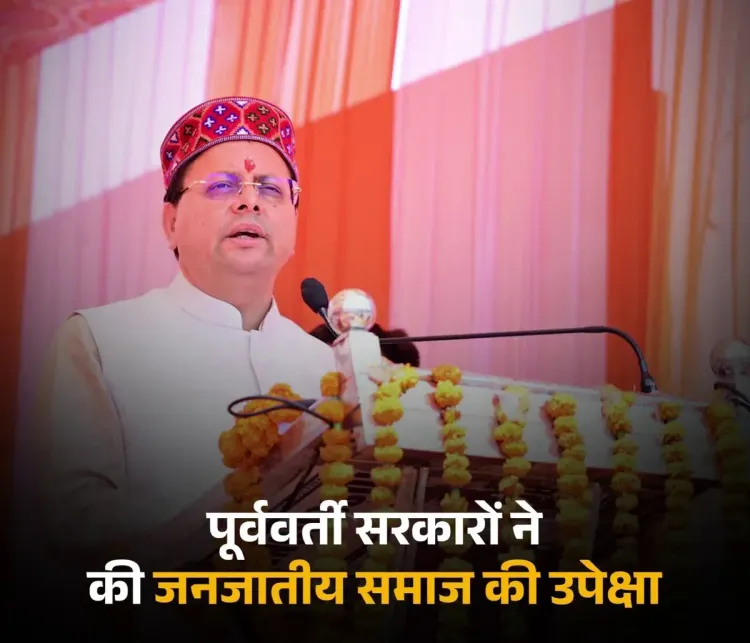
Uttarakhand Chief Minister Pushkar Singh Dhami has accused Congress governments of treating tribal communities as an electoral afterthought, remembering them only at election time while neglecting sustained welfare policies throughout their tenures.
Key Takeaways
CM Pushkar Singh Dhami posted on 8 June 2026 accusing Congress of remembering tribal communities only during elections.
The statement targets Congress governance across multiple tenures at the centre and in states.
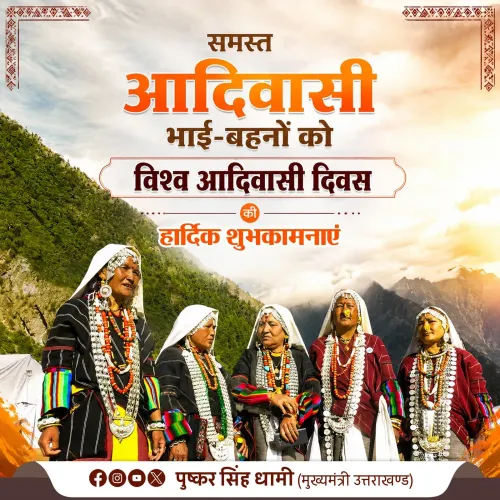
Uttarakhand has Scheduled Tribe populations in districts including Udham Singh Nagar and Nainital .
Key tribal legislation includes PESA (1996) and the Forest Rights Act (2006) , the latter passed under a Congress-led government.
The Vanbandhu Kalyan Yojana , launched in 2014 , is a central tribal development scheme the BJP has championed.
The remark fits a broader BJP strategy of positioning itself as a more consistent advocate for tribal welfare ahead of state elections.
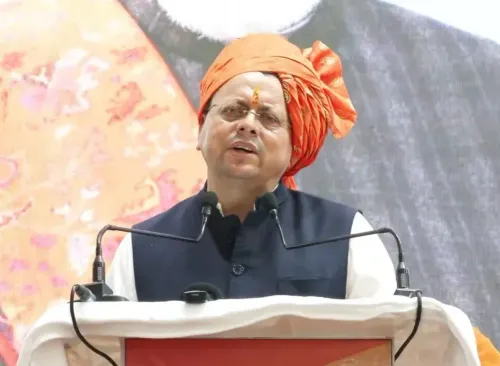
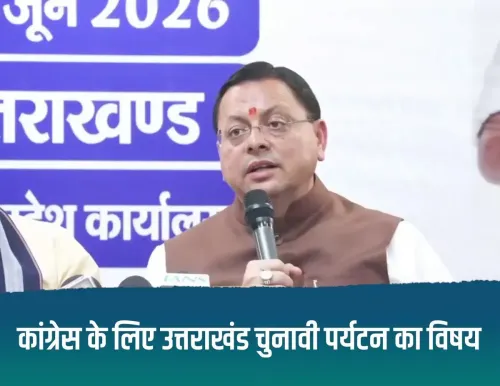
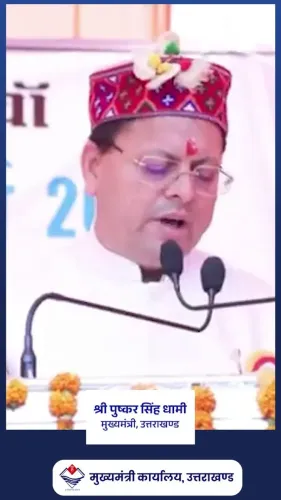
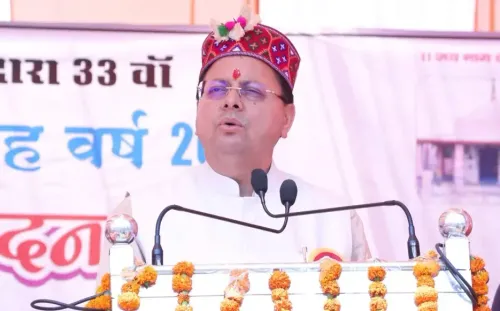
Uttarakhand Chief Minister Pushkar Singh Dhami on Monday, 8 June 2026 sharply criticised the Congress party, accusing it of remembering tribal communities only during election season and ignoring their welfare at all other times.
Context
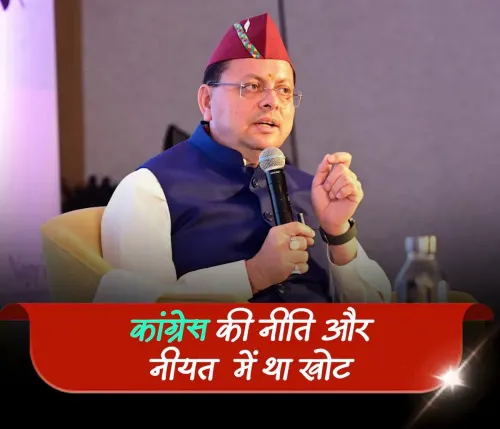
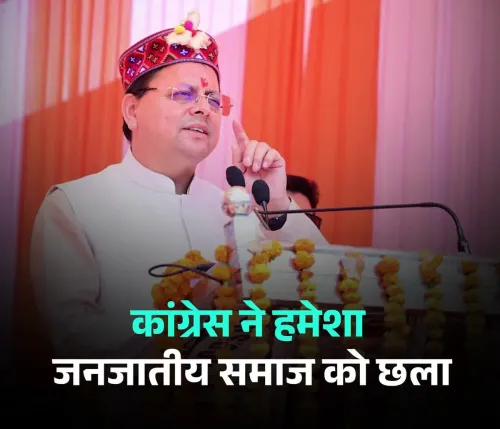
Posting on X, CM Dhami wrote in Hindi: 'Kaangres ki sarkaron ko sirf chunaav ke samay janjatiya samaj ki yaad aati thi' — 'Congress governments remembered tribal society only at the time of elections.' The remark is a pointed broadside at the Indian National Congress, framing its decades of governance as exploitative of tribal votes without delivering sustained policy benefits.
The statement arrives amid an ongoing national conversation about the sincerity of tribal welfare commitments made by competing political formations. Uttarakhand itself has significant Scheduled Tribe populations concentrated in districts such as Udham Singh Nagar and Nainital, making the issue locally resonant.
Policy Backdrop
The legislative record on tribal rights spans several decades and multiple governments. The Panchayats (Extension to Scheduled Areas) Act, 1996 — commonly known as PESA — was enacted to devolve meaningful powers to tribal gram sabhas, though implementation has been uneven across states.
The Scheduled Tribes and Other Traditional Forest Dwellers (Recognition of Forest Rights) Act, 2006, passed under the UPA government led by Congress, recognised land and resource rights of forest-dwelling communities. Critics, including BJP leaders, have long argued that the law's on-ground implementation lagged behind its legislative promise. In 2014, the central government launched the Vanbandhu Kalyan Yojana to address persistent tribal development gaps, a scheme the BJP has cited as evidence of more consistent commitment.
Stakeholders and Impact
Tribal communities across India — numbering over 10 crore people according to the last census — sit at the centre of this political contest. Their votes are decisive in dozens of constituencies across states such as Jharkhand, Chhattisgarh, Madhya Pradesh, Rajasthan, and Uttarakhand.
For the BJP, positioning itself as the more reliable custodian of tribal interests is a long-term electoral and ideological project. The party has elevated tribal leaders to prominent constitutional posts and consistently attacked the Congress narrative that it is the original architect of tribal rights legislation. The Congress, in turn, points to landmark laws passed under its watch as proof of its commitment.
What's Next
With Uttarakhand assembly elections on the horizon, statements like CM Dhami's are likely to intensify as both national parties seek to consolidate tribal support. Observers will watch for state-level announcements on tribal welfare scheme implementation, land titling progress under the Forest Rights Act, and any counter-response from the Congress in the state.
The broader pattern — competing claims over tribal welfare ownership — is unlikely to fade; if anything, it will sharpen as parties prepare their ground campaigns in tribal-pocket constituencies across the country.
Point of View
Using a single sharp line to reframe decades of Congress governance as cynical vote-bank management. The timing matters: with assembly elections approaching in Uttarakhand, such statements are designed to consolidate tribal sentiment well before campaign season officially begins. The BJP's broader strategy — elevating tribal leaders, citing the Vanbandhu Kalyan Yojana, and contrasting it with Congress's record — is visible in this post's subtext. Whether tribal communities respond to this framing will depend heavily on ground-level delivery of welfare schemes rather than rhetoric alone.
NationPress
20 Sept 2026
Frequently Asked Questions
What did CM Dhami say about Congress and tribal communities?
CM Pushkar Singh Dhami said that Congress governments remembered tribal society only at election time, implying the party neglected tribal welfare during the rest of its tenures.
What is the BJP's record on tribal welfare in India?
The BJP has championed the Vanbandhu Kalyan Yojana launched in 2014 for tribal development and has elevated tribal leaders to prominent constitutional positions, positioning itself as a consistent advocate compared to Congress.
What laws protect tribal rights in India?
Key laws include the Panchayats (Extension to Scheduled Areas) Act, 1996, which empowers tribal gram sabhas, and the Forest Rights Act, 2006, which recognises land and resource rights of forest-dwelling tribal communities.
Does Uttarakhand have a significant tribal population?
Yes, Uttarakhand has Scheduled Tribe populations concentrated in districts such as Udham Singh Nagar and Nainital, making tribal welfare a locally relevant political issue.
Why do political parties focus on tribal communities before elections?
Tribal communities number over 10 crore people and are decisive voters in dozens of constituencies across India, making their support critical for parties contesting state and national elections.