CM Dhami Chairs Pre-Monsoon Mock Drill in Dehradun
Synopsis
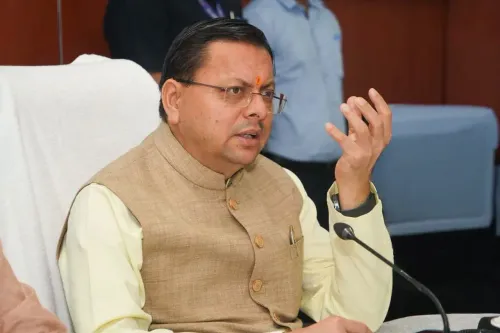
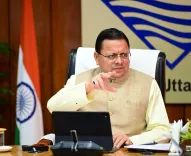
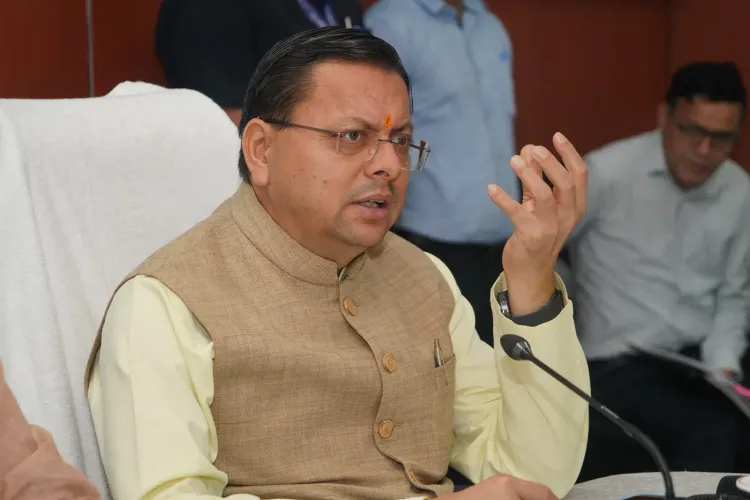
Chief Minister Pushkar Singh Dhami chaired a state-level pre-monsoon mock drill at IT Park, Dehradun on 2 July 2026, directing officials to integrate AI, drones and GIS into disaster management and releasing disaster plans for all 13 Uttarakhand districts.
Key Takeaways
CM Pushkar Singh Dhami chaired a state-level pre-monsoon mock drill at IT Park, Dehradun on 2 July 2026 .
He released the Uttarakhand State Disaster Management Plan and disaster management plans for all 13 districts of the state.
The government is deploying AI-based early warning systems, GIS mapping, drone surveillance, satellite monitoring and data-based risk assessment for disaster preparedness.
All 13 districts were directed to submit detailed mock-drill review reports to the USDMA within 72 hours .
NDRF displayed CBRNE disaster-response tools, underwater drones, sonar systems, thermal imaging cameras and hydraulic cutters at the equipment exhibition.
CM Dhami called for wide public-awareness campaigns on emergency contact numbers and disaster safety measures ahead of the monsoon season.
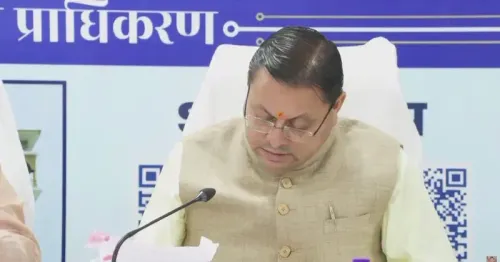
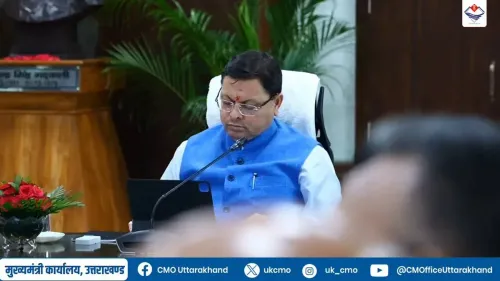
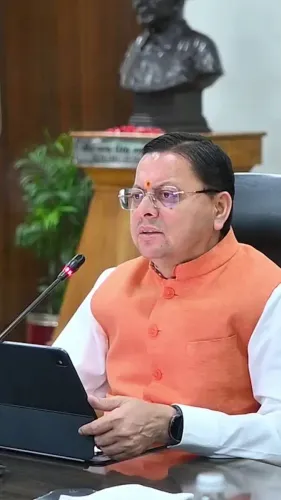
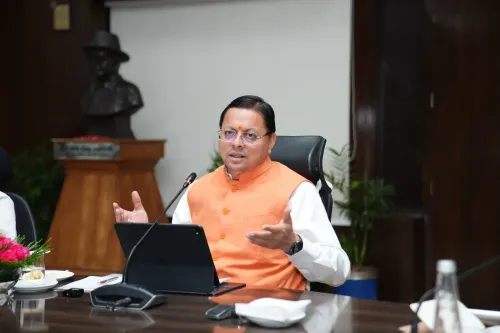
Chief Minister Pushkar Singh Dhami on Thursday, 2 July 2026, chaired a state-level pre-monsoon mock drill at IT Park, Dehradun, directing officials to treat disaster management as the government's highest priority in the sensitive Himalayan state of Uttarakhand. He also released the Uttarakhand State Disaster Management Plan and district disaster management plans for all 13 districts of the state at the event.
Context
Addressing senior officials at the drill, CM Dhami said — 'Uttarakhand jaisi samvedansheel rajya mein aapda prabandhan keval prashaanik dayitva nahin, balki sarkar ki sarvochch prathamikta hai' ('In a sensitive state like Uttarakhand, disaster management is not merely an administrative responsibility but the government's topmost priority'). He emphasised that advance preparation, swift decision-making, better coordination, and the use of modern technology are essential to effectively handle monsoon-season disasters.
The state-level mock drill, he said, is a significant initiative to further strengthen the disaster management system's capacity. Officials were instructed that disaster management must go beyond relief and rescue to focus on risk reduction, advance preparedness, and technology-based management.
Policy Backdrop
Uttarakhand is among India's most disaster-prone states, scarred by recurring monsoon floods and landslides — most catastrophically the 2013 Kedarnath floods, which killed thousands and prompted a wholesale overhaul of the state's disaster framework under the Disaster Management Act, 2005. The Act mandated creation of the Uttarakhand State Disaster Management Authority (USDMA) and preparation of district-level plans, which have been periodically revised since.
India's broader policy shift — from post-disaster relief to pre-disaster risk reduction — aligns with its commitments under the Sendai Framework for Disaster Risk Reduction (2015–2030). CM Dhami's directives at the drill echo this national pivot, with the state deploying AI-based early warning systems, GIS mapping, drone surveillance, satellite monitoring, and data-based risk assessment to enable timely and precise threat evaluation.
Stakeholders and Impact
Rapid Response Teams have been strengthened and early warning systems continuously upgraded to ensure timely alerts reach remote and vulnerable areas, the Chief Minister stated. He also underscored the importance of water-source conservation, glacier studies, plantation drives, and environmental protection programmes to safeguard the Himalayan ecosystem — calling environmental conservation 'the most effective means of reducing disaster risk.'
The event saw a live exhibition of modern rescue equipment by the State Disaster Response Force (SDRF), the National Disaster Response Force (NDRF), and the Fire Department. Particularly notable were NDRF's CBRNE (Chemical, Biological, Radiological, Nuclear and Explosive) disaster-response tools, along with deep-diving sets, night-vision cameras, thermal imaging cameras, hydraulic cutters, underwater communication systems, underwater drones, and sonar systems.
Senior officials present included Disaster Management and Rehabilitation Minister Madan Kaushik, Disaster Management Advisory Committee Vice-Chairman Vinay Ruhela, Secretary Vinod Kumar Suman, Garhwal Divisional Commissioner Anand Swaroop, IG Fire Wimmi Sachdev, and Additional Secretary Prakash Chandra, among others.
What's Next
CM Dhami directed all 13 districts to submit detailed review reports of the mock drill to the USDMA within 72 hours. He also called for wide public-awareness campaigns to ensure every citizen knows disaster safety measures, emergency contact numbers, and basic precautions before the peak monsoon season arrives.
The Chief Minister articulated an ambitious goal: to make Uttarakhand the country's most capable, technology-enabled, and people-participatory disaster management model — a benchmark for other states. The submission and review of district reports will be the first concrete test of whether the drill's lessons translate into on-ground readiness before the monsoon intensifies.
Point of View
Underwater drones and CBRNE response tools is designed to project technological ambition, though the real test will be the 72-hour district review reports and their actual implementation before peak monsoon. Uttarakhand's push to become a national disaster-management model fits into a broader Centre-state competition to demonstrate Sendai Framework compliance, with Himalayan states having the most to gain — and lose — from how well they manage climate-linked hazards.
NationPress
2 Jul 2026
Frequently Asked Questions
What happened at the Uttarakhand pre-monsoon mock drill on 2 July 2026?
Chief Minister Pushkar Singh Dhami chaired a state-level pre-monsoon mock drill at IT Park, Dehradun, where he directed officials on effective disaster management, released disaster plans for all 13 districts, and inspected modern rescue equipment displayed by SDRF, NDRF and the Fire Department.
What technology is Uttarakhand using for disaster management?
Uttarakhand is integrating AI-based early warning systems, digital monitoring, drone surveillance, GIS mapping, satellite monitoring, and data-based risk assessment to enable timely and accurate threat evaluation during disasters.
What plans did CM Dhami release at the mock drill?
CM Dhami released the Uttarakhand State Disaster Management Plan along with district disaster management plans for all 13 districts of the state.
What was the 72-hour instruction CM Dhami gave to district officials?
CM Dhami directed all 13 districts to submit detailed review reports analysing the mock drill's experiences and gaps to the Uttarakhand State Disaster Management Authority within 72 hours of the drill.
Why is Uttarakhand considered a disaster-sensitive state?
Uttarakhand is a Himalayan state prone to recurring monsoon floods, landslides and glacial events. The 2013 Kedarnath floods were among the worst natural disasters in India's post-independence history, making robust disaster preparedness a perennial governance priority.