CM Dhami Directs Relief Ops in Disaster-Hit Uttarakhand
Synopsis
The Chief Minister's Office of Uttarakhand confirmed on August 6, 2026, that relief and rehabilitation operations in disaster-affected areas are actively underway under CM Pushkar Singh Dhami's direction, amid the state's high-risk monsoon season.
Key Takeaways
The Uttarakhand CMO confirmed on August 6, 2026 that relief and rehabilitation work in disaster-affected areas is ongoing.
Chief Minister Pushkar Singh Dhami is personally directing the relief operations.
Uttarakhand's Himalayan terrain makes it among India's most disaster-prone states during the monsoon season.
The SDMA and SDRF are the primary operational bodies for rescue and rehabilitation in the state.
The National Disaster Management Act, 2005 provides the legal framework governing state-level disaster response across India.
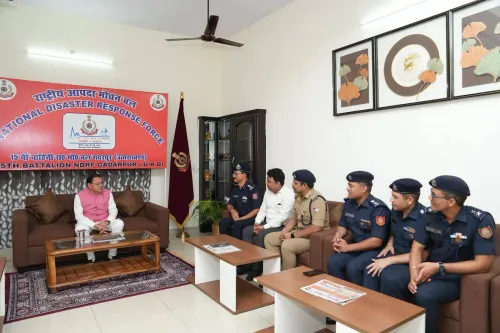
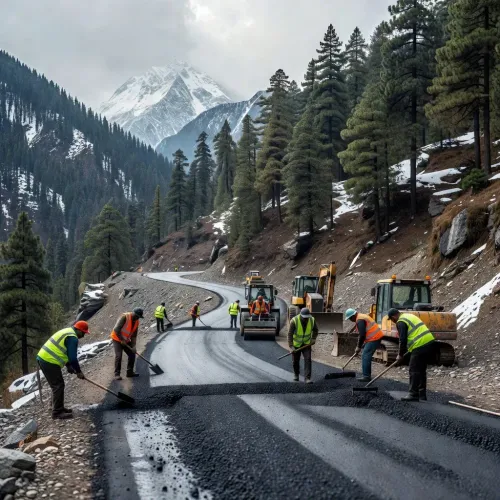
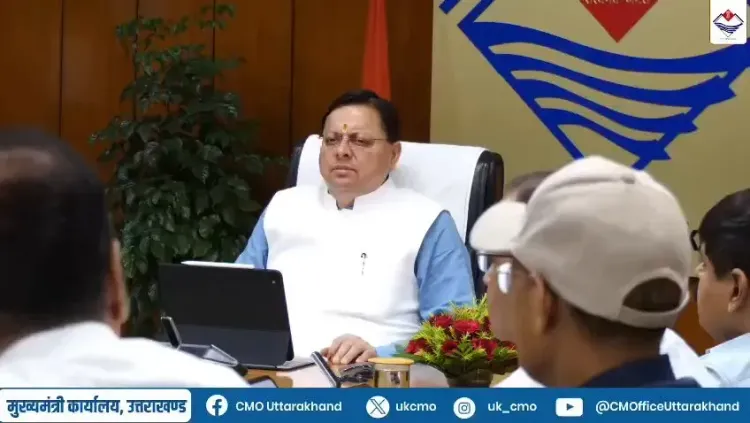
When mountains turn hostile, Uttarakhand bleeds fast — and the race to restore normalcy begins just as quickly. The Chief Minister's Office of Uttarakhand confirmed on Thursday, August 6, 2026, that relief and rehabilitation work in disaster-affected areas of the state is ongoing under the direct guidance of Chief Minister Pushkar Singh Dhami.
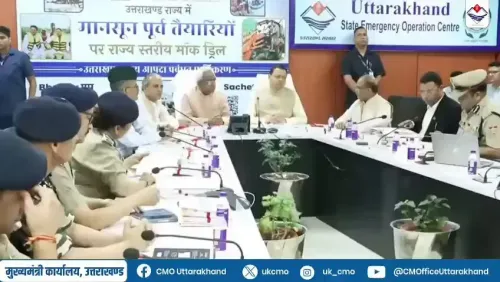
The post, shared from the official CMO account, stated: 'Relief and rehabilitation work in disaster-affected areas is continuously ongoing under the direction of Chief Minister Shri Pushkar Singh Dhami.' The update, tagged to Dehradun, signals active state-level coordination during what is typically the most volatile stretch of Uttarakhand's monsoon calendar.
Why Uttarakhand Is Always on the Edge in August
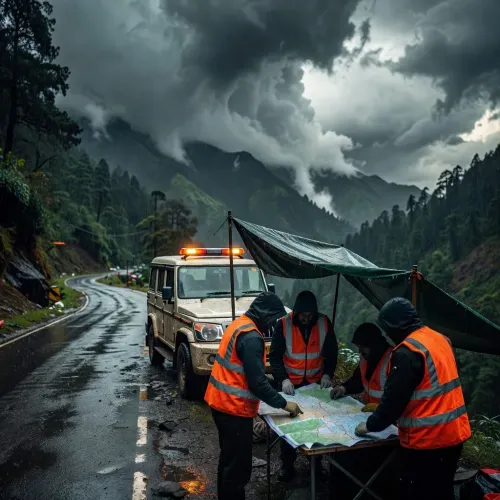
Uttarakhand's geography is its greatest asset and its most relentless adversary. The Himalayan state — with its steep river valleys, fragile slopes, and compressed monsoon rainfall — sits permanently in the crosshairs of landslides, cloudbursts, and flash floods. Every year, the August–September window tests the state's emergency machinery to its limits. The State Disaster Management Authority (SDMA) and the State Disaster Response Force (SDRF) form the operational backbone of rescue and relief, working under the legal framework established by the National Disaster Management Act, 2005.Dhami's Role in Coordinating the Response
Chief Minister Pushkar Singh Dhami, who has led the BJP-governed state since 2021, has made disaster preparedness a recurring administrative priority given Uttarakhand's vulnerability. CMO updates of this nature — directing relief operations from the top — reflect the state's protocol of ensuring political accountability alongside on-ground administrative response. Affected residents across disaster-hit pockets depend on this chain of command for food, shelter, medical aid, and reconstruction support. The kicker: In Uttarakhand, the monsoon does not wait — and neither, the CMO is signalling, will the state government.Point of View
The real test is not the announcement but the speed and reach of rehabilitation on the ground. Dhami's visible ownership of disaster response fits a pattern among state leaders of using governance visibility to reinforce credibility ahead of budget and resource allocation cycles. Watchers should track whether SDRF or NDRF fund releases follow this update as a measure of substantive follow-through.
NationPress
6 Aug 2026
Frequently Asked Questions
What is the current disaster situation in Uttarakhand in 2026?
The Uttarakhand CMO confirmed on August 6, 2026, that relief and rehabilitation work is ongoing in disaster-affected areas, though specific details of the triggering event have not been officially detailed in this update.
Who is overseeing disaster relief in Uttarakhand?
Chief Minister Pushkar Singh Dhami is personally directing relief and rehabilitation operations in disaster-hit areas of Uttarakhand, according to the official CMO post.
What is the SDRF and what role does it play in Uttarakhand disasters?
The State Disaster Response Force (SDRF) is Uttarakhand's primary on-ground rescue and relief unit, deployed during floods, landslides, and cloudbursts that frequently strike the Himalayan state during monsoon months.
Why is Uttarakhand so vulnerable to natural disasters?
Uttarakhand's steep Himalayan terrain, fragile slopes, and heavy monsoon rainfall make it highly susceptible to landslides, flash floods, and cloudbursts, especially between July and September each year.
What law governs disaster management in Indian states?
The National Disaster Management Act, 2005 provides the legal framework for disaster response across India, empowering state governments to coordinate relief and rehabilitation through their respective State Disaster Management Authorities.