CM Dhami halts tree felling on Rishikesh highway project
Synopsis
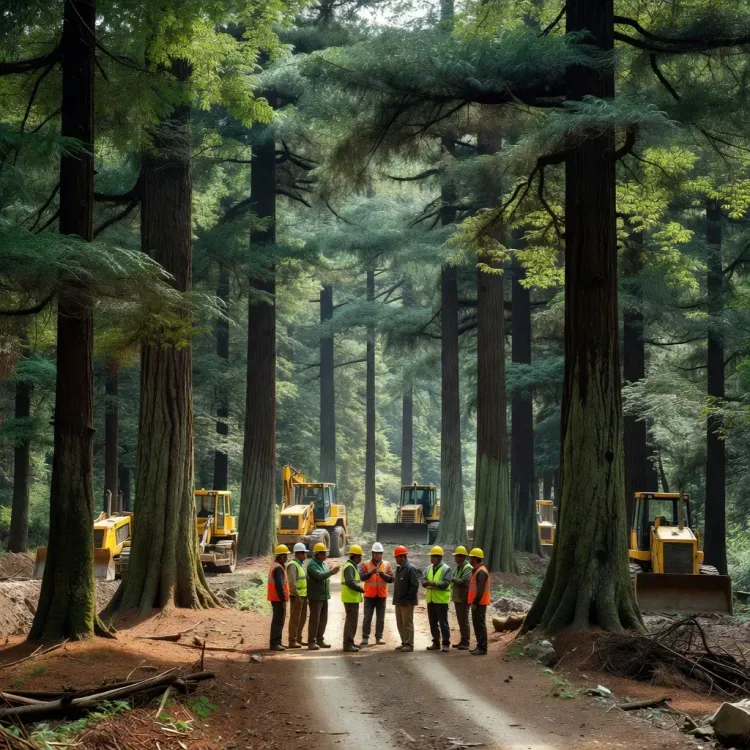
Chief Minister Pushkar Singh Dhami has halted tree-felling on the NHAI Rishikesh Four/Six-Lane Highway Project until all stakeholders — residents, environmentalists, and experts — reach consensus through fresh consultations ordered by his office on 18 July 2026.
Key Takeaways
CM Pushkar Singh Dhami ordered the suspension of tree-felling under the Rishikesh Four/Six-Lane Highway Project on 18 July 2026 .
The halt follows sustained representations from citizens, environmentalists, and local residents over the past several days.
The project is an NHAI initiative that was proceeding under Uttarakhand High Court directions and all required statutory and environmental clearances.
The project includes a 3.5-kilometre elephant underpass and culverts for smaller wildlife to mitigate human-wildlife conflict.
The Principal Secretary and officials have been directed to hold fresh, wide-ranging consultations with all stakeholders before work resumes.
CM Dhami stated that development, public sentiment, and nature are equally important, and the government will proceed only on the basis of dialogue and consensus.
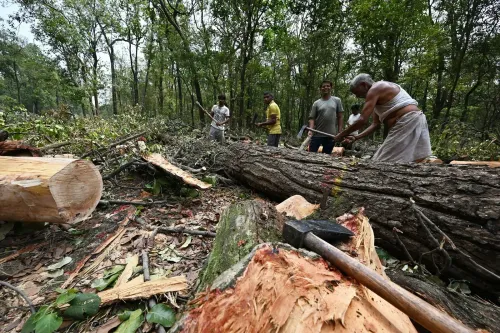
The Chief Minister's Office of Uttarakhand announced on Saturday, 18 July 2026 that Chief Minister Pushkar Singh Dhami has suspended tree-felling work under the Rishikesh Four/Six-Lane Highway Project until consensus is reached among all stakeholders, responding to sustained public concern over environmental impact.
Context
Over the preceding days, a broad coalition of citizens, environmentalists, and local residents had voiced concerns about the scale of tree removal planned under the project. CM Dhami acknowledged these representations and ordered an immediate halt to felling, stating — 'jab tak sabhi pakshon ke saath santoshjanak sahmat... vishwas ka vatavaran nahin ban jaata' (until a satisfactory consensus and atmosphere of trust is established with all parties) — tree-cutting will remain suspended.
The Chief Minister has directed the Principal Secretary and concerned officials to initiate fresh, detailed consultations with all stakeholders, including local residents, elected representatives, and domain experts.
Policy Backdrop
The project is an infrastructure initiative of the National Highways Authority of India (NHAI), and work was proceeding in compliance with directions of the Uttarakhand High Court and all requisite statutory and environmental clearances, according to CM Dhami. The Chief Minister stressed that any further action will continue to fully respect the High Court's directions and decisions.
Road widening in Uttarakhand's ecologically sensitive Himalayan terrain has a long history of judicial and public scrutiny. NHAI projects in the state, including the Char Dham road widening scheme initiated around 2016, have faced similar pauses mandated by courts and state governments under the Forest Conservation Act and related environmental frameworks. The Rishikesh project follows this established pattern of work suspension followed by stakeholder review.
Wildlife and Environmental Provisions
The CMO statement highlighted that the project design includes a 3.5-kilometre elephant underpass and dedicated culverts for smaller wildlife, aimed at reducing human-wildlife conflict and preventing road deaths of animals — a recurring hazard on this corridor. These provisions were incorporated in keeping with wildlife conservation obligations and earlier court-directed mitigation requirements.
Rishikesh serves as a critical connectivity node linking Haridwar and the Char Dham pilgrimage circuit, making the highway upgrade strategically significant for both religious tourism and regional logistics. Environmental groups have long flagged that widening roads through forested sections risks habitat fragmentation for species including elephants.
Stakeholders and Impact
The suspension directly affects construction timelines for NHAI and its contractors on the Rishikesh corridor. Local residents and environmental advocates who had been pressing the state government stand to gain a formal seat at the consultation table as a result of this decision.
CM Dhami articulated the government's position plainly: 'Vikas hamare liye aavashyak hai, lekin janabhavnaon, paryavaran aur sthaniya hiton ki andekhi kar koi nirnay nahin liya jaega' — 'Development is necessary for us, but no decision will be taken by ignoring public sentiment, the environment, and local interests.' He added that for him, Uttarakhand's nature, public sentiment, and the state's development are equally important.
What's Next
The Principal Secretary and relevant officials are now tasked with conducting wide-ranging consultations before any resumption of tree-felling can be authorised. The outcome of these consultations, along with any subsequent Uttarakhand High Court hearings or revised environmental clearance orders, will determine when and how work resumes.
The government has signalled it will proceed only on the basis of dialogue, consensus, and broad public interest — setting a precedent for how ecologically contested infrastructure projects in the state may be managed going forward.
Point of View
Invoke judicial compliance, and call for fresh dialogue whenever a highway project triggers visible public backlash. The move is politically deft — it neutralises immediate criticism without formally abandoning a project that carries significant connectivity and economic weight for the state. The inclusion of the elephant underpass and culvert provisions signals that the government is trying to pre-empt the environmental objections that derailed earlier Himalayan road projects. How substantive the mandated consultations prove to be, and whether the High Court endorses any revised plan, will reveal whether this is a genuine course correction or a temporary pressure valve.
NationPress
18 Jul 2026
Frequently Asked Questions
Why has tree-felling been stopped on the Rishikesh highway project?
CM Pushkar Singh Dhami suspended tree-felling on the NHAI Rishikesh Four/Six-Lane Highway Project on 18 July 2026 after citizens, environmentalists, and local residents raised sustained concerns. The halt will remain in place until consensus is reached among all stakeholders through fresh consultations.
What is the Rishikesh Four/Six-Lane Highway Project?
It is a National Highways Authority of India (NHAI) road-widening project in Rishikesh, Uttarakhand, aimed at improving connectivity on a key corridor linking Haridwar and the Char Dham pilgrimage circuit. It was proceeding under Uttarakhand High Court directions and statutory environmental clearances.
What wildlife provisions are included in the Rishikesh highway project?
The project design includes a 3.5-kilometre elephant underpass and dedicated culverts for smaller wildlife to reduce human-wildlife conflict and prevent road deaths of animals, which are a recurring problem on this corridor.
What happens next after the tree-felling suspension?
The Principal Secretary and concerned officials have been directed to hold detailed consultations with local residents, elected representatives, and experts. Tree-felling will resume only after satisfactory consensus is established, and all further action will comply with Uttarakhand High Court directions.
Has Uttarakhand paused highway projects for environmental reasons before?
Yes. Road-widening initiatives in Uttarakhand's Himalayan region have routinely faced pauses due to public and judicial scrutiny, including the Char Dham road widening project initiated around 2016, where similar review mechanisms were invoked under the Forest Conservation Act and court orders.