CM Dhami Honoured by Rang Community in Gunji
Synopsis
Chief Minister Pushkar Singh Dhami visited Gunji in Pithoragarh's high Himalayas on 25 October 2026, where the Rang community honoured him with their traditional turban 'baintilo' and male garment 'ranga' — a rare ceremonial gesture from one of Uttarakhand's most distinctive border-district ethnic groups.
Key Takeaways
CM Pushkar Singh Dhami visited Gunji , a remote high-altitude village in Pithoragarh district , on 25 October 2026 .
The Rang community honoured him with the traditional baintilo (ceremonial turban) and ranga (traditional male garment).
Gunji is situated in the high Himalayas near the India-China border , making it one of Uttarakhand's most strategically significant remote villages.
The Rang are a distinct ethnic group in Pithoragarh's upper Himalayan valleys with their own language, textile traditions, and customs.
CM Dhami has made border-district engagement a recurring feature of his governance since taking office in 2021 .
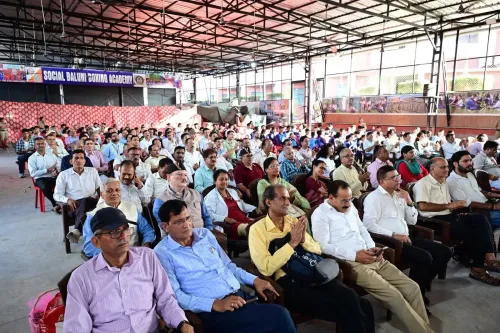
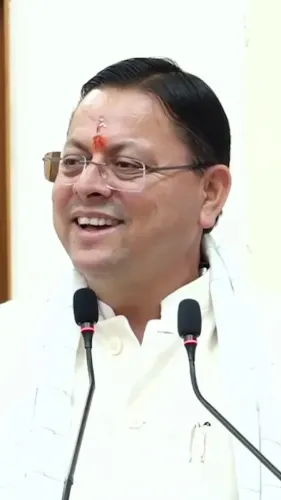
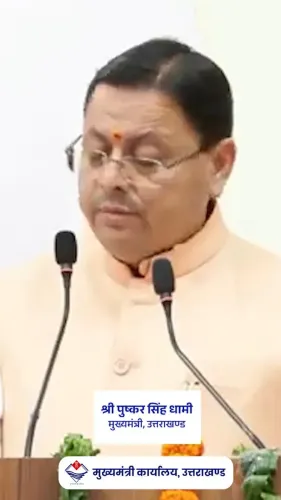
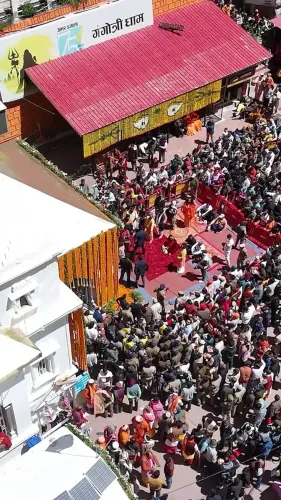
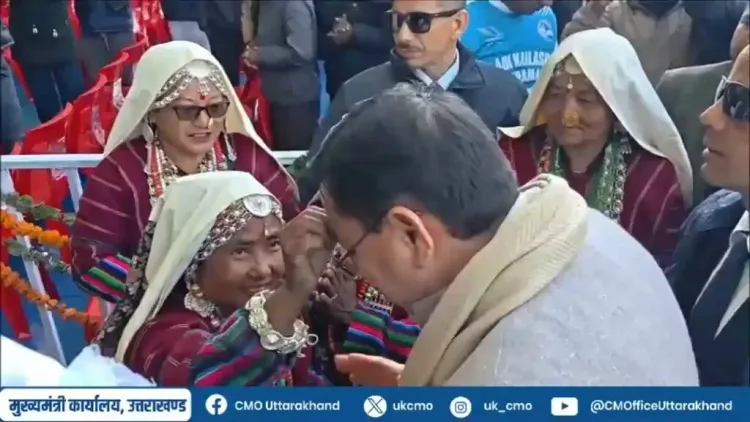
High in the Himalayas, where the air thins and the roads run out, Chief Minister Pushkar Singh Dhami arrived at Gunji in Pithoragarh district on Sunday, 25 October 2026 — and the Rang community met him with one of the most intimate gestures a host can offer: their own traditional dress.
Elders and residents of the remote high-Himalayan village draped the Chief Minister in the baintilo — the community's ceremonial turban — and the ranga, the traditional male garment of the Rang people. The honour is reserved for distinguished guests and carries deep cultural weight for a community that has preserved its distinct identity across centuries of high-altitude isolation.
Who the Rang Are, and Why Gunji Matters
The Rang community inhabits the upper Himalayan valleys of Pithoragarh, a district that shares borders with both China and Nepal. Historically semi-nomadic traders who operated along ancient trans-Himalayan routes, the Rang have maintained a singular cultural identity — their own language, textile traditions, and ceremonial customs — largely separate from the mainstream plains culture.
Gunji itself sits at high altitude near the Indo-China border, making it one of the most strategically sensitive as well as culturally rich villages in Uttarakhand. Access is seasonal, connectivity is limited, and the state administration's physical presence matters enormously to residents who can feel cut off from governance for months at a time.
Dhami's Border-District Outreach
CM Dhami has made periodic visits to Uttarakhand's border districts a recurring feature of his tenure since 2021. These trips typically combine administrative review — infrastructure status, welfare scheme delivery, security coordination — with direct community engagement of precisely this kind. Accepting traditional honours signals respect rather than spectacle; for high-altitude villages that rarely see elected leadership in person, the symbolism translates into political and administrative trust.
The baintilo and ranga bestowed on Dhami are not props. They are markers of belonging, extended by a community to someone it chooses to welcome as a guest of consequence. That the Chief Minister wore them publicly — and that the Chief Minister's Office chose to amplify the moment — reflects a conscious effort to frame border-district governance as a two-way relationship, not merely a top-down administrative exercise.
Whether this visit translates into concrete announcements on roads, connectivity, or welfare measures for Pithoragarh's high-Himalayan villages is the question the Rang community will be watching.
Point of View
These visits also carry a quiet strategic dimension — demonstrating civilian state presence in areas of geopolitical sensitivity. The real test, as always, will be whether cultural goodwill is followed by tangible development commitments for Gunji and the broader high-Himalayan belt.
NationPress
25 Oct 2026
Frequently Asked Questions
Who are the Rang community of Uttarakhand?
The Rang are a distinct ethnic group living in the high Himalayan valleys of Pithoragarh district, Uttarakhand. They have their own language, ceremonial customs, and textile traditions, including the baintilo turban and the ranga garment worn by men.
Where is Gunji village located?
Gunji is a remote high-altitude village in Pithoragarh district, Uttarakhand, situated in the upper Himalayas near the India-China border. It is one of the most strategically sensitive and geographically isolated settlements in the state.
What is the baintilo worn by CM Dhami?
The baintilo is the traditional ceremonial turban of the Rang community of Pithoragarh. It is placed on the head of honoured guests as a mark of respect and cultural welcome.
Why does CM Dhami visit border districts of Uttarakhand?
Chief Minister Pushkar Singh Dhami has made periodic visits to Uttarakhand's border districts a feature of his tenure since 2021. These trips combine administrative review of infrastructure and welfare delivery with direct cultural engagement with local communities.
What is the significance of Pithoragarh district?
Pithoragarh is a strategically important district in Uttarakhand that shares borders with both China and Nepal. It is home to several high-altitude ethnic communities, including the Rang, and lies along ancient trans-Himalayan trade routes.