CM Dhami Inspects Flood-Hit Bridge Approach Road in Dehradun
Synopsis
Uttarakhand CM Pushkar Singh Dhami personally inspected the flood-damaged approach road of the Nanda Ki Chauki bridge in Dehradun on 10 August 2026, ordering permanent repairs and warning officials of strict action for any quality compromise on public works.
Key Takeaways
CM Pushkar Singh Dhami conducted an on-site inspection of the Nanda Ki Chauki bridge approach road in Dehradun on 10 August 2026 .
The bridge approach road was damaged by heavy rainfall ( ativrishti ) — extreme precipitation events common in monsoon-season Uttarakhand.
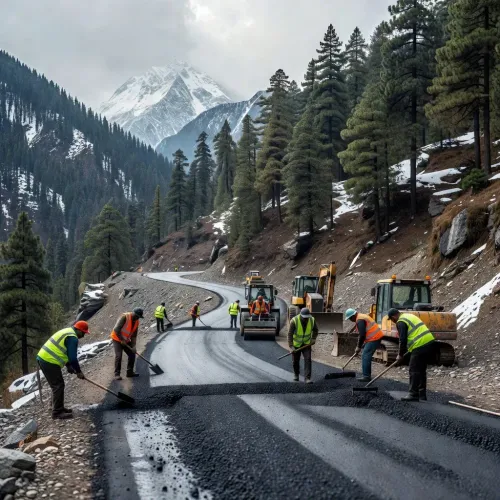
Dhami reviewed reconstruction quality, safety arrangements, and traffic management at the site.
He directed officials to pursue a permanent solution to prevent recurrence of such damage in future monsoons.
The CM issued an explicit warning: those found guilty of compromising quality on public-interest works will face the strictest possible action .
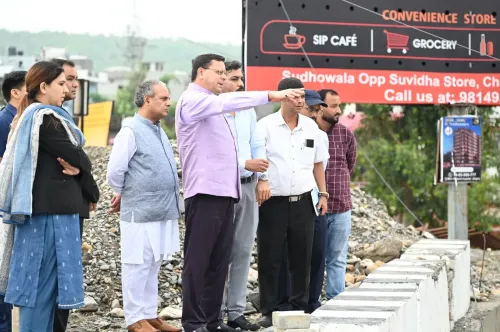
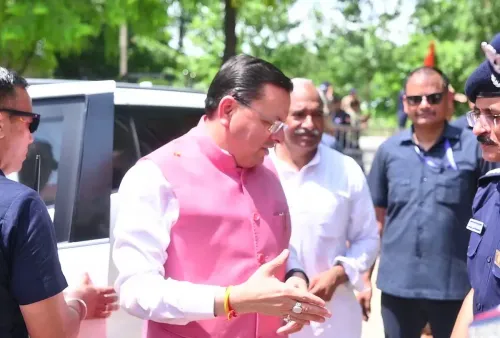
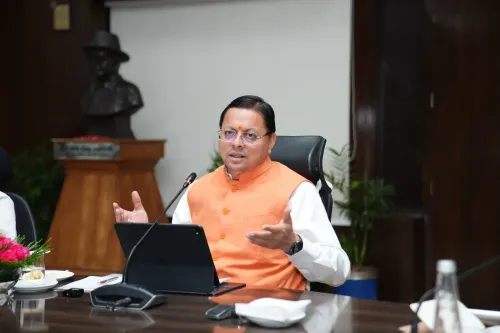
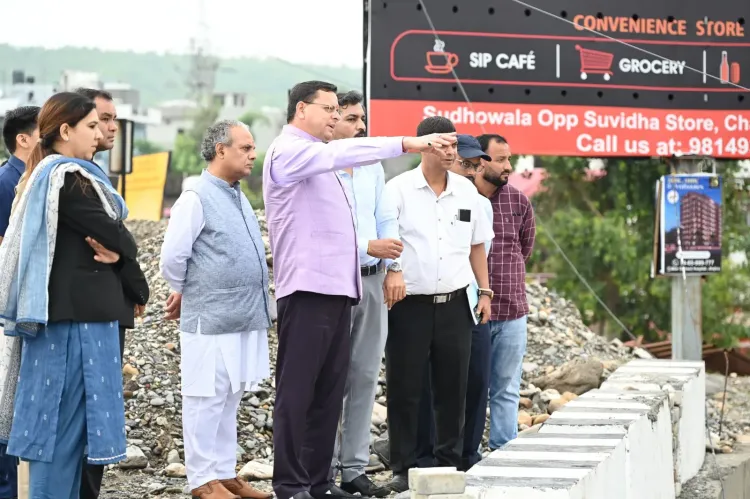
On his way back from an event in Bhauwaala, Uttarakhand Chief Minister Pushkar Singh Dhami stopped to personally inspect the damaged approach road of the Nanda Ki Chauki bridge in Dehradun — a structure battered by heavy rainfall — and delivered a blunt warning to officials: shoddy work will have consequences. The on-ground visit on Monday, 10 August 2026 was unscheduled, and the message it carried was anything but routine.
What Dhami Found at the Site
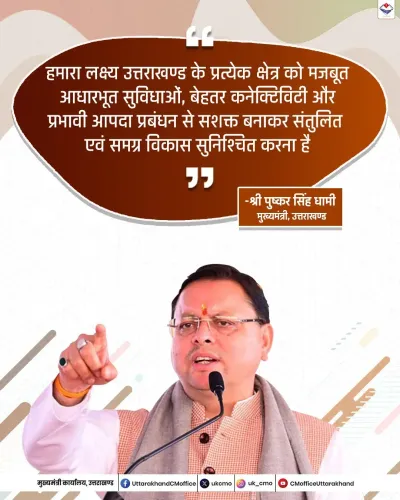
The Chief Minister reviewed the reconstruction quality of the bridge's approach road, assessed safety arrangements, and examined the current state of traffic movement. He sought a detailed briefing from engineers and public works officials on the ground. Posting about the inspection, Dhami said in Hindi: 'जनसुविधा और सुरक्षा से जुड़े कार्यों में किसी भी प्रकार की लापरवाही स्वीकार्य नहीं है' — 'No negligence is acceptable in works related to public convenience and safety.'
He directed officials to not only ensure construction quality but also to work towards a permanent solution to the damage and put in place measures that prevent a recurrence in future monsoon seasons. The tone was direct: accountability will be fixed, and those found guilty of compromising quality on public-interest works will face the strictest possible action.
Dehradun's Recurring Monsoon Vulnerability
Dehradun, the capital of the Himalayan state of Uttarakhand, sits in terrain that makes it acutely vulnerable to flash floods and landslides during the monsoon. Roads and bridge approach infrastructure in the city and surrounding areas have historically suffered repeated damage in heavy-rain events, forcing successive administrations into cycles of repair and reconstruction.
Chief ministerial site inspections after weather-triggered damage are an established governance mechanism in the state — a way of signalling urgency to the bureaucracy and enforcing repair standards that desk-level oversight often fails to achieve. What sets this visit apart is the explicit threat of punitive action, raising the political stakes for officials overseeing the work.
The Accountability Warning
Dhami's directive was precise: quality cannot be negotiated on public works, and the state will fix individual responsibility where it finds corners cut. 'दोषी पाए जाने पर सख़्त से सख़्त कार्रवाई की जाएगी' — 'The strictest action will be taken against those found guilty.' For a state that has long grappled with the gap between sanctioned repairs and actual delivery, that is a line officials will find hard to ignore.
The real test, as always, will come in the follow-through — whether the quality directives issued on-site translate into durable infrastructure before the next monsoon surge arrives.
Point of View
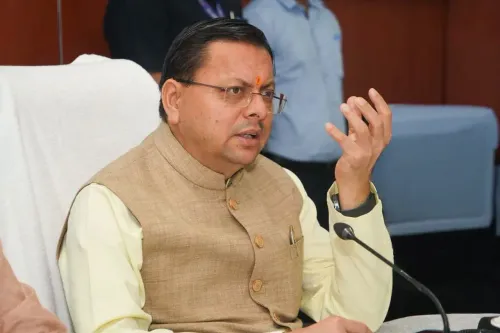
He simultaneously pressures the bureaucracy and positions himself as a hands-on executive who tolerates no slippage on public safety. The broader arc here is Uttarakhand's chronic challenge of building monsoon-resilient infrastructure in difficult Himalayan terrain, where the gap between repair orders and durable delivery has historically been wide. Whether punitive follow-through materialises — or the warning remains rhetorical — will define the real governance dividend of this visit.
NationPress
10 Aug 2026
Frequently Asked Questions
Which bridge did CM Dhami inspect in Dehradun?
CM Dhami inspected the approach road of the Nanda Ki Chauki bridge in Dehradun, which was damaged by heavy rainfall during the monsoon season.
Why was the Nanda Ki Chauki bridge approach road damaged?
The approach road was damaged due to heavy rainfall (ativrishti) — extreme precipitation that frequently causes floods and landslide damage to roads and bridges across Uttarakhand's hilly terrain.
What did CM Dhami order officials during the inspection?
Dhami directed officials to ensure construction quality, find a permanent solution to the damage, and take effective steps to prevent recurrence. He warned that those found guilty of quality lapses on public works would face the strictest action.
Is Dehradun frequently affected by monsoon damage?
Yes. Dehradun , the capital of Uttarakhand, is situated in hilly terrain that makes it vulnerable to flash floods and landslides during monsoon season, causing repeated damage to roads and bridge infrastructure.
When did CM Dhami carry out this inspection?
The inspection took place on Monday, 10 August 2026 , as Dhami was returning from a programme held in Bhauwaala.