CM Dhami joins Harela plantation drive at Malagram herbal park
Synopsis
On Harela 2026, CM Pushkar Singh Dhami joined a plantation drive at Malagram in Pauri Garhwal and toured the Shri Dhanwantari Dham Herbal World Himalaya, calling for scientific conservation of Himalayan medicinal plants and new livelihood avenues for local youth.
Key Takeaways
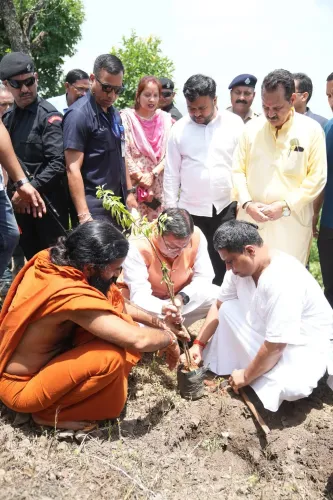
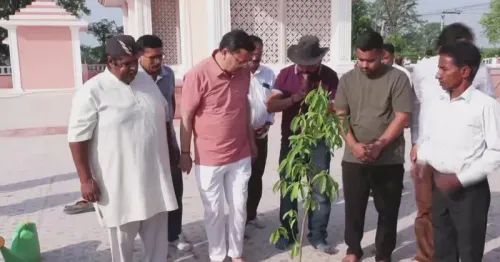
CM Pushkar Singh Dhami participated in a tree-plantation programme at Malagram, Yamkeshwar block, Pauri Garhwal on 14 July 2026 on the occasion of Harela festival.
He toured Shri Dhanwantari Dham Herbal World Himalaya , described as a one-of-a-kind herbal park in India conserving rare Himalayan medicinal species.
Dhami called Uttarakhand's natural heritage 'invaluable for the entire world' and stressed the need for scientific research and conservation of medicinal plants.
The park is expected to generate opportunities in herbal tourism, Ayurveda-based research , and self-employment for local youth.
Swami Ramdev and Acharya Balkrishna of Patanjali Yogpeeth were among prominent attendees, highlighting public-private collaboration in the initiative.
The event aligns with Uttarakhand's long-running State Medicinal Plants Board policy and national AYUSH priorities.
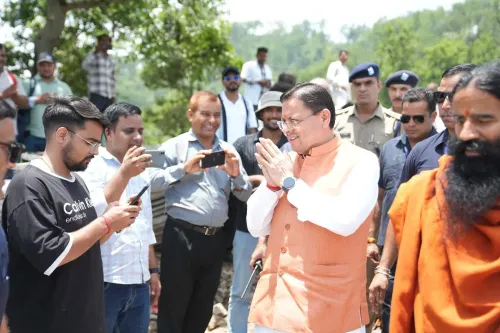
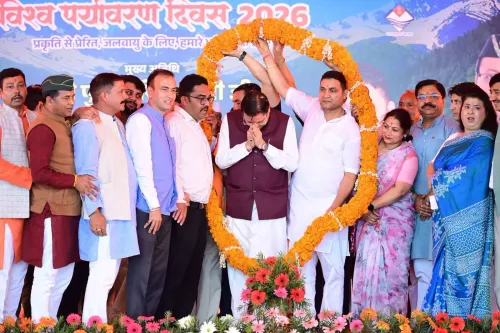
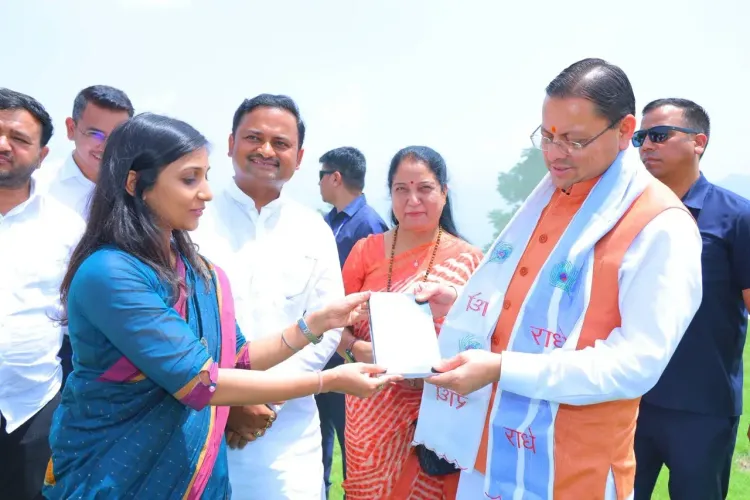
Chief Minister Pushkar Singh Dhami on Tuesday, 14 July 2026, participated in an intensive tree-plantation programme at Malagram in Yamkeshwar block, Pauri Garhwal, on the occasion of the Harela festival, conveying a message of environmental conservation and a greener Uttarakhand.
Context
Harela is an annual Uttarakhand folk festival that marks the onset of the monsoon season and has traditionally been observed through community tree-plantation drives. The state government has conducted Harela plantation campaigns every year since Uttarakhand's formation in 2000, using the occasion to mobilise public participation in afforestation and environmental conservation.
This year's event was held at Shri Dhanwantari Dham Herbal World Himalaya, a unique herbal park at Malagram that conserves rare medicinal plants sourced from various Himalayan regions and Indian states, combining traditional Ayurvedic knowledge with modern scientific research.
Policy Backdrop
CM Dhami undertook a detailed tour of the Shri Dhanwantari Dham Herbal World Himalaya campus, acquainting himself with rare medicinal flora, ongoing research activities, and Ayurveda-based innovations. He also inspected the dhyan kuti (meditation cottage) within the complex.
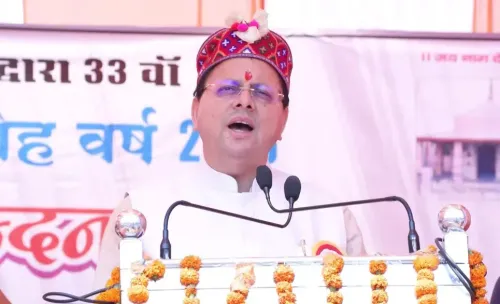
Addressing those present, Dhami said that 'rajya ki yah prakritik dharohar pure vishwa ke liye amulya hai' ('this natural heritage of the state is invaluable for the entire world') and that its conservation and scientific study are the need of the hour. He emphasised that ongoing efforts would give new direction to environmental protection while generating opportunities in medicinal plant cultivation, Ayurveda-based research, herbal tourism, and self-employment for local youth.
Uttarakhand's State Medicinal Plants Board and herbal cultivation policies, launched in the mid-2000s, have sought to position the state as a national hub for Ayurvedic raw materials. The Malagram park represents a convergence of those policy threads with the Union government's AYUSH priorities, which encourage integration of traditional medicine with modern research infrastructure.
Stakeholders and Impact
The event was attended by Swami Ramdev, founder of Patanjali Yogpeeth, and Acharya Balkrishna, co-founder and Ayurvedic research head at Patanjali — underscoring the public-private dimension of Uttarakhand's herbal economy push. Also present were State Women's Commission Chairperson Kusum Kandwal, Yamkeshwar MLA Renu Bisht, District Magistrate Swati S. Bhadauria, Senior Superintendent of Police Sarvesh Panwar, BJP District President Rajgaurav Nautiyal, and Sub-Divisional Magistrate Chatar Singh Chauhan, along with elected representatives, officials, and a large number of local residents.
For Pauri Garhwal — a Himalayan district with significant forest cover and biodiversity — the park offers a model that links conservation directly to rural livelihoods. Local youth, herbal farmers, and Ayurveda researchers stand to benefit from the self-employment and research opportunities the site is expected to generate.
What's Next
The Chief Minister's visit signals continued state attention to expanding Uttarakhand's Ayurveda-herbal economy through sites such as the Malagram park. Future indicators to watch include the replication of similar herbal parks in other districts, employment data from the Malagram site, and potential new state or central funding for medicinal plant research and herbal tourism infrastructure.
With Harela serving as an annual mobilisation moment, the state is likely to deepen its community-plantation targets while weaving in the herbal-economy narrative — positioning Uttarakhand's Himalayan biodiversity as both an ecological asset and an economic engine for hill communities.
Point of View
A model that complements Union government AYUSH priorities and could attract dedicated funding. By framing herbal tourism and self-employment alongside conservation, the state is attempting to make environmental protection economically legible to hill communities — a calculus that will be tested by whether tangible jobs and research outcomes materialise at sites like Malagram.
NationPress
14 Jul 2026
Frequently Asked Questions
What is Harela festival in Uttarakhand?
Harela is an annual folk festival in Uttarakhand that marks the onset of the monsoon season and is traditionally observed through community tree-plantation drives; the state government has used it as a mass afforestation mobilisation event since Uttarakhand's formation in 2000.
What is Shri Dhanwantari Dham Herbal World Himalaya?
Shri Dhanwantari Dham Herbal World Himalaya is a herbal park located in Malagram, Yamkeshwar block, Pauri Garhwal, Uttarakhand, where rare medicinal plants from Himalayan regions and various Indian states are conserved and studied through a combination of traditional Ayurvedic knowledge and modern scientific research.
Why did CM Dhami visit Malagram on 14 July 2026?
CM Pushkar Singh Dhami visited Malagram on 14 July 2026 to participate in a tree-plantation programme held on the occasion of Harela festival and to tour the Shri Dhanwantari Dham Herbal World Himalaya, where he reviewed rare medicinal flora, research activities, and Ayurveda-based innovations.
What is Uttarakhand's policy on medicinal plants and Ayurveda?
Uttarakhand established a State Medicinal Plants Board and herbal cultivation policies in the mid-2000s to position the state as a national hub for Ayurvedic raw materials; these efforts align with the Union government's AYUSH priorities and are now being extended through herbal parks and public-private partnerships.
What role does Patanjali play in Uttarakhand's herbal economy?
Patanjali Yogpeeth, through its founder Swami Ramdev and co-founder Acharya Balkrishna, is a key private partner in Uttarakhand's Ayurveda and herbal economy drive, integrating traditional medicinal knowledge with modern research facilities and large-scale herbal cultivation projects in the state.