CM Dhami Visits Dhanwantari Dham Herbal World in Uttarakhand
Synopsis
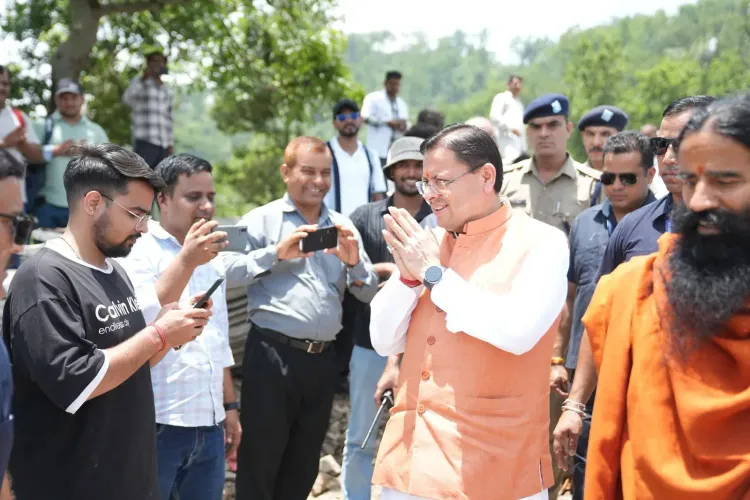
Uttarakhand CM Pushkar Singh Dhami visited Shri Dhanwantari Dham Herbal World Himalaya on 14 July 2026, reviewing rare medicinal plant conservation, Ayurveda research, and innovations. Baba Ramdev, Acharya Balkrishna, MLA Renu Bisht, and State Women's Commission chief Kusum Kandwal were also present.
Key Takeaways
CM Pushkar Singh Dhami visited Shri Dhanwantari Dham Herbal World Himalaya on 14 July 2026 to review rare medicinal plant conservation and Ayurveda research.
Baba Ramdev and Acharya Balkrishna of Patanjali Ayurved were present at the facility during the Chief Minister's visit.
BJP MLA Renu Bisht (Yamunotri) and State Women's Commission Chairperson Kusum Kandwal also attended the event.
The facility conserves rare Himalayan medicinal plants and conducts Ayurveda-based innovation and research activities.
The visit aligns with the National AYUSH Mission (launched 2014) and Uttarakhand's long-standing policy of promoting Himalayan biodiversity for traditional medicine.
Potential follow-ups include new MoUs or budget allocations for herbal parks and AYUSH clusters in Uttarakhand.
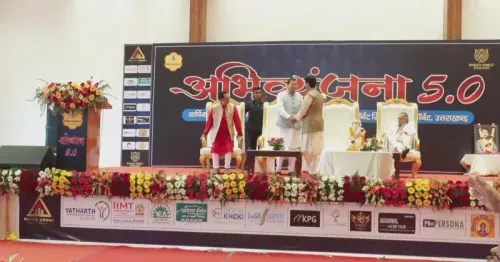
Uttarakhand Chief Minister Pushkar Singh Dhami on Tuesday, 14 July 2026, visited Shri Dhanwantari Dham Herbal World Himalaya, a centre dedicated to the conservation of rare medicinal plants and Ayurveda-linked research in the Himalayan region of Uttarakhand. The visit included a detailed tour of the facility's research activities and Ayurveda-based innovations.
During the visit, CM Dhami gathered information on the rare and protected medicinal flora housed at the site, the ongoing research programmes, and innovations rooted in Ayurvedic science. The Chief Minister shared details of the tour on social media, noting that the facility preserves durlabh aushadhiya vanaspatiyaan — rare medicinal plants — of the Himalayas.
Context
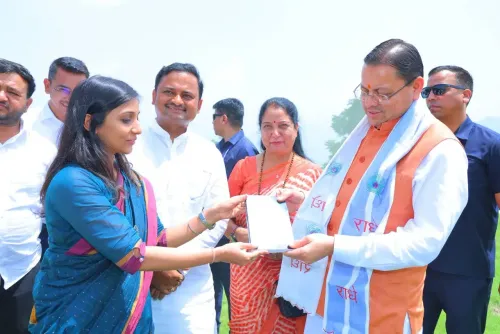
The visit was attended by a gathering of prominent figures including BJP MLA Smt. Renu Bisht of the Yamunotri constituency, State Women's Commission Chairperson Smt. Kusum Kandwal, yoga guru Baba Ramdev, and Acharya Balkrishna, co-founder of Patanjali Ayurved. The presence of Patanjali's leadership alongside state officials underscores the close institutional ties between the Uttarakhand government and the Haridwar-based Ayurvedic conglomerate.
Patanjali Yogpeeth, established in Haridwar in 2006, has long served as a major hub for Ayurvedic education, research, and manufacturing. Acharya Balkrishna is widely recognised for his expertise in Ayurvedic formulations and medicinal plant science, making his participation at the facility particularly significant.
Policy Backdrop
The visit aligns with a broader national and state-level push to mainstream traditional medicine. The National AYUSH Mission, launched in 2014, provides a framework for promoting Ayurveda, yoga, and herbal medicine through state-level implementation. Uttarakhand, with its rich Himalayan biodiversity, has consistently positioned itself as a natural hub for medicinal plant conservation and Ayurvedic tourism.
Successive Uttarakhand governments have partnered with organisations including Patanjali to expand research infrastructure and link traditional botanical knowledge with commercial and therapeutic innovation. These state-level efforts run parallel to the central government's integration of AYUSH into public health and wellness policy.
Stakeholders and Impact
The Dhanwantari Dham facility directly serves Ayurveda researchers, herbal farmers, and AYUSH practitioners who rely on access to rare Himalayan plant species for both study and production. Conservation of such biodiversity is considered critical to sustaining the supply chain for traditional medicine formulations.
Herbal farmers and local communities in the Himalayan foothills stand to benefit from increased institutional attention to medicinal plant cultivation and protection. Greater state and organisational investment in such facilities can translate into expanded livelihoods and scientific documentation of indigenous botanical knowledge.
What's Next
Observers will watch for concrete follow-up measures, including potential MoUs between the state government and research bodies for herbal parks or AYUSH clusters in Uttarakhand. Upcoming Uttarakhand assembly sessions and national AYUSH ministry reviews are natural forums where budgetary allocations or new partnership frameworks could be announced. The high-profile nature of this visit, involving both political leadership and Patanjali's founders, suggests the state may be building toward a more formalised policy commitment to Himalayan herbal conservation.
Point of View
Flanked by Patanjali's leadership and state officials, reflects Uttarakhand's deliberate strategy of positioning itself as the national capital of Ayurvedic research and Himalayan biodiversity. The convergence of political, institutional, and commercial stakeholders at a single facility signals that herbal conservation is being elevated from a niche agenda to a mainstream governance priority. This fits a broader BJP pattern of leveraging traditional medicine as both a cultural identity marker and an economic development tool in hill states. The next test will be whether the visit translates into measurable policy commitments — funding, MoUs, or legislative support — rather than remaining a symbolic gesture.
NationPress
13 Oct 2026
Frequently Asked Questions
What is Shri Dhanwantari Dham Herbal World Himalaya?
Shri Dhanwantari Dham Herbal World Himalaya is a facility in Uttarakhand dedicated to the conservation of rare Himalayan medicinal plants and the promotion of Ayurveda-based research and innovation.
Why did CM Dhami visit Dhanwantari Dham?
CM Pushkar Singh Dhami visited the facility on 14 July 2026 to review its rare medicinal plant conservation efforts, ongoing research activities, and Ayurveda-based innovations.
Who accompanied CM Dhami at Dhanwantari Dham?
The visit was attended by BJP MLA Renu Bisht, State Women's Commission Chairperson Kusum Kandwal, yoga guru Baba Ramdev, and Patanjali Ayurved co-founder Acharya Balkrishna.
What is the National AYUSH Mission and how does it relate to Uttarakhand?
The National AYUSH Mission, launched in 2014, promotes traditional medicine systems including Ayurveda and yoga. Uttarakhand implements it through herbal conservation projects and partnerships with organisations like Patanjali.
What is Patanjali's role in Uttarakhand's Ayurveda sector?
Patanjali Yogpeeth, founded in Haridwar in 2006 by Baba Ramdev and Acharya Balkrishna, is a major centre for Ayurvedic education, research, and manufacturing, and has long partnered with the Uttarakhand government on traditional medicine initiatives.