CM Dhami: Kailash Mansarovar Yatra Drives Border Development
Synopsis
Uttarakhand Chief Minister Pushkar Singh Dhami has framed the Kailash Mansarovar Yatra as a twin instrument of faith and border-area development, highlighting gains in local tourism, homestays, handicrafts, and employment in remote Himalayan districts.
Key Takeaways
CM Pushkar Singh Dhami described the Kailash Mansarovar Yatra as a driver of all-round development in Uttarakhand's border regions, not just a religious pilgrimage.
The yatra is credited with boosting local tourism, employment, self-employment, homestays, handicrafts, and trade in frontier communities.
The post tagged PM Narendra Modi , Home Minister Amit Shah , and Road Minister Nitin Gadkari , signalling a push for continued central government support.
The Kailash Mansarovar Yatra via Lipulekh Pass resumed in 2022 after suspension due to the pandemic and border tensions.
The Vibrant Villages Programme (2023) and the Atmanirbhar Bharat framework form the policy backbone for border-area livelihood schemes referenced by CM Dhami.
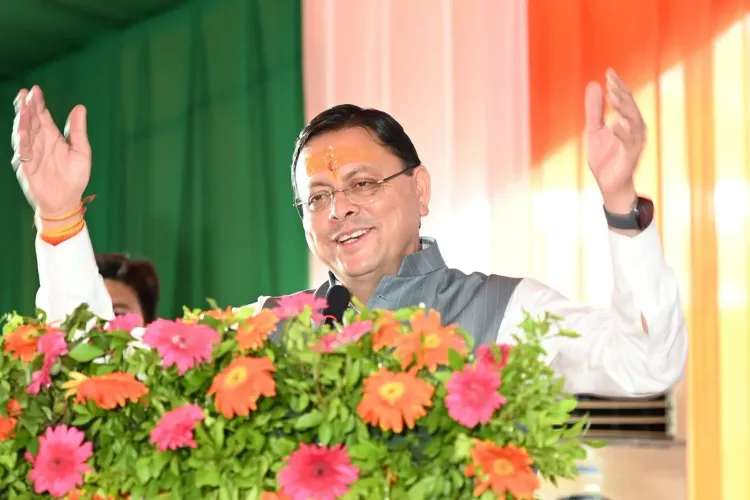
Uttarakhand Chief Minister Pushkar Singh Dhami on Sunday, 5 July 2026, underscored that the Kailash Mansarovar Yatra is not merely a sacred pilgrimage but a powerful engine for the all-round development of Uttarakhand's border regions, linking faith with economic self-reliance.
Context
Posting on X and tagging Prime Minister Narendra Modi, Union Home Minister Amit Shah, and Union Road Transport Minister Nitin Gadkari, CM Dhami wrote — 'Kailash Mansarovar Yatra kewal aastha ka pavan marg hi nahin, balki seemant kshetron ke sarvangin vikas ka sashakt madhyam bhi hai' — 'The Kailash Mansarovar Yatra is not only a sacred path of faith, but also a powerful medium for the all-round development of border areas.' He noted that the pilgrimage is generating fresh momentum for local tourism, employment, self-employment, homestays, handicrafts, and trade, steadily pushing border communities toward self-reliance and prosperity.
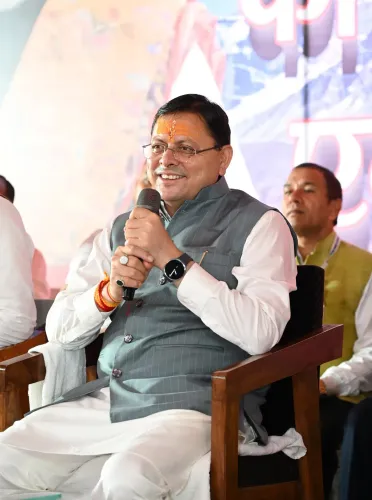
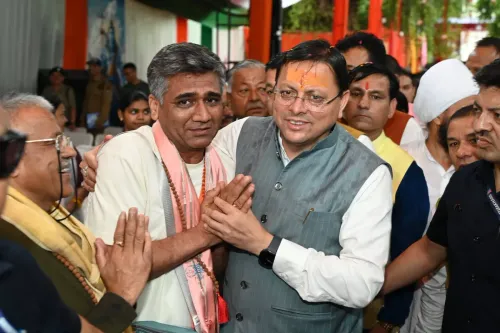
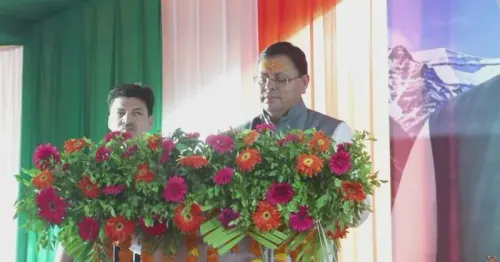
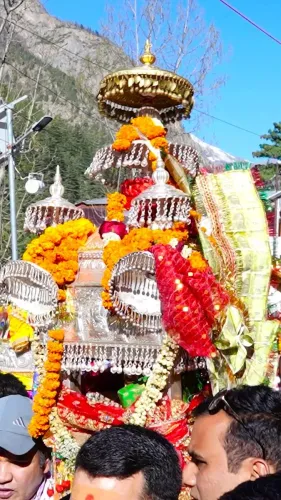
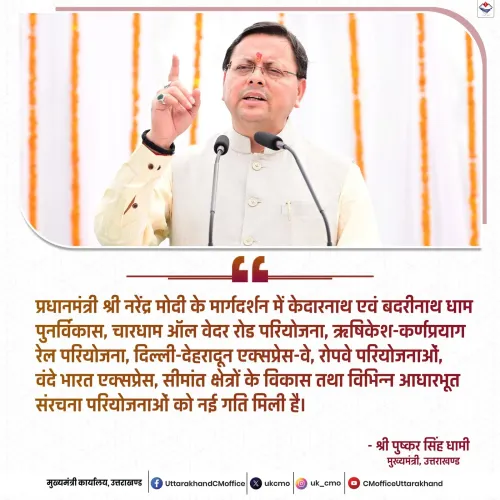
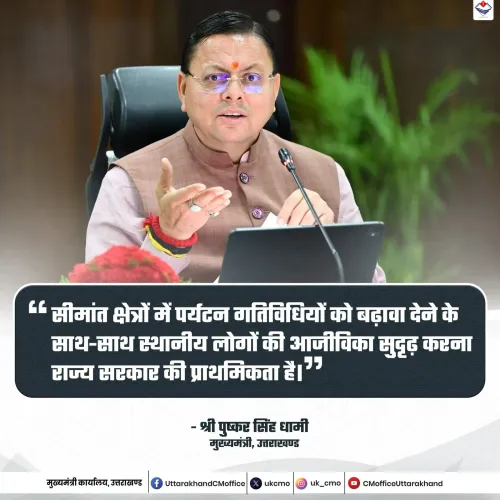
The post was accompanied by four images, reinforcing the visual narrative of the yatra's reach across remote Himalayan terrain.
Policy Backdrop
The Kailash Mansarovar Yatra, which follows the high-altitude Lipulekh Pass route through Uttarakhand into Tibet, was suspended for several years due to the COVID-19 pandemic and border tensions before resuming in 2022. The route's revival has been central to both religious sentiment and the state government's border-tourism agenda.
The Vibrant Villages Programme, launched by the central government in 2023, provides targeted infrastructure and livelihood support to border hamlets in Uttarakhand and other frontier states. CM Dhami's framing directly echoes the Atmanirbhar Bharat framework — channelling pilgrimage footfall into durable local economic activity through homestays, handicraft clusters, and micro-enterprise.
Road connectivity upgrades championed by Minister Gadkari's ministry along the Indo-Tibet frontier have been a key enabler, improving access for both pilgrims and border residents.
Stakeholders and Impact
The primary beneficiaries are residents of Uttarakhand's remote border districts — including Pithoragarh — who depend on seasonal pilgrimage traffic for income. Homestay operators, local guides, handicraft artisans, and small traders along the yatra corridor stand to gain most directly from increased footfall.
By tagging the Prime Minister's Office and senior Union ministers, CM Dhami signalled a push for continued central support — whether through additional road projects, tourism infrastructure funding, or expanded coverage under the Vibrant Villages Programme. The move also reinforces Uttarakhand's positioning as a model for integrating pilgrimage economy with border-area security strategy.
What's Next
Observers will watch for concrete announcements on new scheme allocations or road project clearances for Uttarakhand's border blocks in the coming weeks. Homestay registration numbers and pilgrim participation figures for the ongoing yatra season will serve as early indicators of how effectively the policy intent is translating into ground-level economic activity.
As New Delhi continues to prioritise its Himalayan frontier — balancing strategic depth with community development — CM Dhami's public framing of the yatra as a development instrument suggests the state government will keep the pilgrimage corridor at the centre of its border-area policy pitch.
Point of View
The message doubles as a lobbying signal for fresh central allocations to Uttarakhand's frontier districts. The invocation of 'Atmanirbharta' for border communities ties the state's pilgrimage economy directly to the ruling party's flagship economic identity, reinforcing a pattern seen across Himalayan frontier states where pilgrimage routes are increasingly treated as strategic economic corridors.
NationPress
5 Jul 2026
Frequently Asked Questions
What is the Kailash Mansarovar Yatra and which route does it take through Uttarakhand?
The Kailash Mansarovar Yatra is an annual Hindu pilgrimage to Mount Kailash and Mansarovar Lake in Tibet. One of its primary Indian routes passes through the Lipulekh Pass in Uttarakhand's Pithoragarh district, making it a key corridor for the state's border-area economy.
Why did CM Dhami link the Kailash Mansarovar Yatra to border development?
CM Dhami argued that pilgrim footfall generates income for local tourism operators, homestay owners, handicraft artisans, and traders in remote border districts, aligning with the central government's Vibrant Villages Programme and Atmanirbhar Bharat goals for frontier communities.
When did the Kailash Mansarovar Yatra resume after its suspension?
The Kailash Mansarovar Yatra resumed in 2022 after being suspended for several years due to the COVID-19 pandemic and border tensions between India and China.
What is the Vibrant Villages Programme and how does it relate to the yatra?
The Vibrant Villages Programme, launched by the central government in 2023, provides infrastructure and livelihood support to border hamlets in states like Uttarakhand. The programme's goals — boosting local employment, homestays, and trade — directly complement the economic activity generated by the Kailash Mansarovar Yatra corridor.
Why did CM Dhami tag PM Modi, Amit Shah, and Nitin Gadkari in his post?
By tagging the Prime Minister, the Home Minister, and the Road Transport Minister, CM Dhami appeared to signal a request for continued central government support — including road infrastructure funding and scheme coverage — for Uttarakhand's border districts that benefit from the yatra route.