CM Dhami launches Oho Radio 89.2 FM in Dehradun
Synopsis
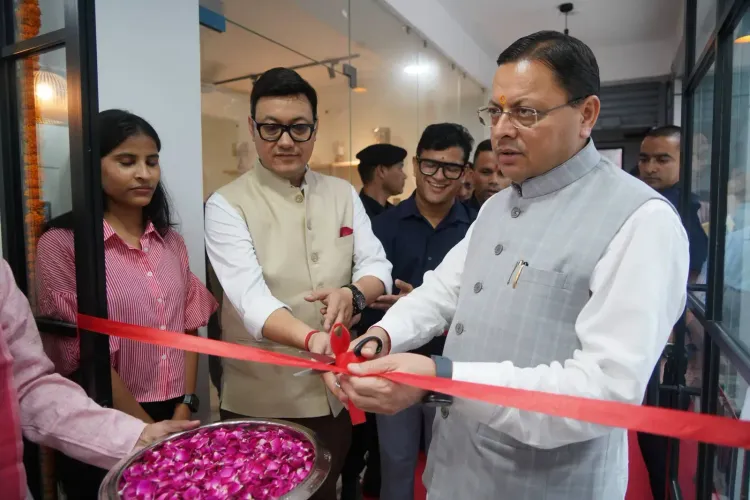
Uttarakhand CM Pushkar Singh Dhami launched Oho Radio 89.2 FM in Dehradun on 3 August 2026, positioning the new station as a vehicle for government welfare communication and a platform for the state's Garhwali, Kumaoni and Jaunsari folk traditions.
Key Takeaways
Oho Radio 89.2 FM was inaugurated in Dehradun by CM Pushkar Singh Dhami on 3 August 2026 .
The CM described radio as a 'powerful medium' for reaching citizens with government welfare scheme information.
The station is also intended to promote Uttarakhand's folk languages, folk arts and local talent , including Garhwali, Kumaoni and Jaunsari traditions.
MLA Savita Kapoor attended the launch event in Dehradun.
The launch continues a long pattern of Uttarakhand governments using radio to connect remote hill communities with public information.
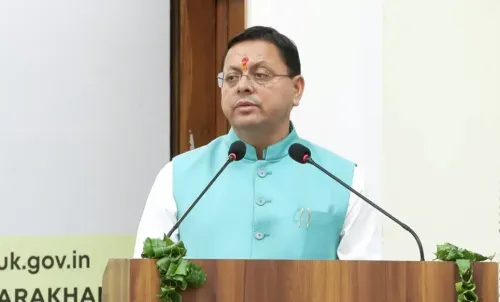
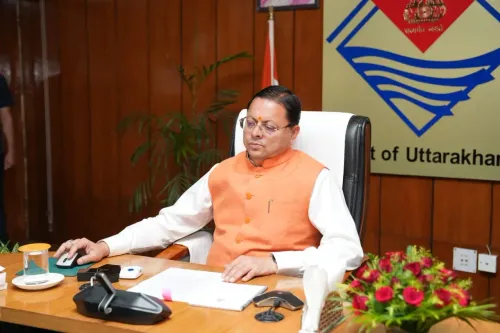
Uttarakhand Chief Minister Pushkar Singh Dhami inaugurated Oho Radio 89.2 FM in Dehradun on Monday, 3 August 2026, adding a new broadcast voice to the state's media landscape — one the CM says will carry government welfare schemes and Uttarakhand's folk traditions to every corner of the hill state.
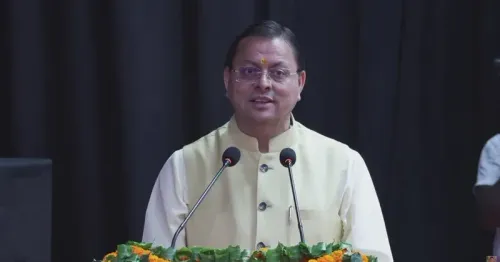
Sharing the moment on X, CM Dhami said the station would play a 'significant role in promoting social awareness and positive dialogue.' He described radio as a 'powerful medium of public communication and awareness' capable of delivering jankalayanakari yojanaon (public welfare schemes), social concerns and vital information to the last mile — a pointed nod to Uttarakhand's vast network of remote, poorly connected villages.
Folk languages, local talent — on air
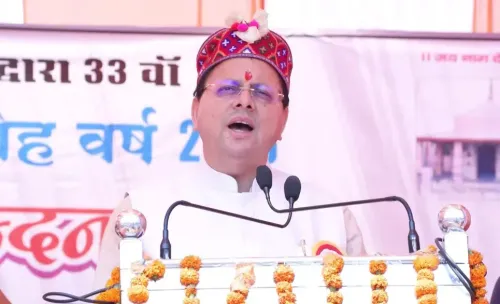
Beyond government messaging, Dhami framed Oho Radio as a cultural platform. He said the state government is 'continuously working' to give Uttarakhand's rich culture, folk languages, folk arts and local talent a wider stage through radio and other communication channels. That signals programming that could amplify Garhwali, Kumaoni and Jaunsari traditions — regional languages that have long struggled for mainstream broadcast space.
MLA Savita Kapoor, the sitting legislator from the area, was present at the launch — lending local political weight to what the administration is positioning as a grassroots outreach initiative.
Radio's long run as Uttarakhand's lifeline
The choice of FM radio is not incidental. Successive Uttarakhand governments have leaned on radio to bridge the information gap in a state where terrain regularly defeats optical fibre and mobile signals alike. Community and commercial FM stations have historically served as the first point of contact for rural listeners learning about disaster alerts, crop advisories and health camps.
The current government's stated intent to use Oho Radio 89.2 FM for welfare-scheme outreach fits squarely within that tradition — while the folk-culture angle adds a preservation dimension that previous administrations have also championed, if inconsistently.
Whether Oho Radio expands to other districts, and whether formal content tie-ups with state welfare departments follow, will determine how much of that promise translates into sustained programming.
Point of View
The launch serves a dual political purpose — it demonstrates administrative action on last-mile outreach ahead of any electoral cycle, and it aligns with the BJP's broader emphasis on local culture and language as governance themes. The real test will be editorial independence and sustained programming quality, not the ribbon-cutting.
NationPress
3 Aug 2026
Frequently Asked Questions
What is Oho Radio 89.2 FM in Dehradun?
Oho Radio 89.2 FM is a newly launched FM radio station in Dehradun, Uttarakhand, inaugurated by Chief Minister Pushkar Singh Dhami on 3 August 2026. It is intended to broadcast government welfare schemes, social awareness content and Uttarakhand's folk culture and local languages.
Who launched Oho Radio 89.2 FM?
Uttarakhand Chief Minister Pushkar Singh Dhami launched Oho Radio 89.2 FM in Dehradun on 3 August 2026. MLA Savita Kapoor was also present at the inauguration.
What will Oho Radio 89.2 FM broadcast?
According to CM Dhami, the station will broadcast government public welfare schemes, social concerns, important public information, and content promoting Uttarakhand's folk languages, folk arts and local talent.
Why is radio important for Uttarakhand?
Uttarakhand's mountainous terrain makes internet and mobile connectivity unreliable in many areas. Radio has historically been a key medium for delivering welfare information, disaster alerts and cultural content to remote hill communities.
Which folk languages could Oho Radio 89.2 FM promote?
CM Dhami specifically mentioned Uttarakhand's folk languages and folk arts; the state's primary regional languages are Garhwali, Kumaoni and Jaunsari, all of which successive governments have sought to preserve through state-supported platforms.