CM Dhami: Prepare children for life, not just exams
Synopsis
Chief Minister Pushkar Singh Dhami of Uttarakhand has called for preparing children for life beyond examinations, reinforcing the state's alignment with NEP 2020's push for holistic, life-skills-based education in government schools.
Key Takeaways
CM Pushkar Singh Dhami stated on 20 July 2026 that children must be prepared for life, not just examinations.
The statement aligns with National Education Policy 2020 , which mandates a shift from rote, exam-centric learning to multidisciplinary and life-skills education.
Uttarakhand has already introduced moral education and skill training modules in government schools in recent years.
School students and teachers across the state are the primary stakeholders in any curriculum or pedagogy shift that follows.
Possible next steps include revised state curriculum frameworks, updated board guidelines, and structured teacher training programmes.
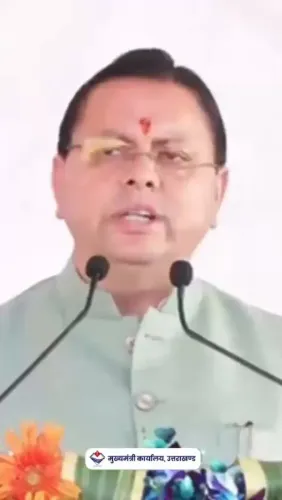
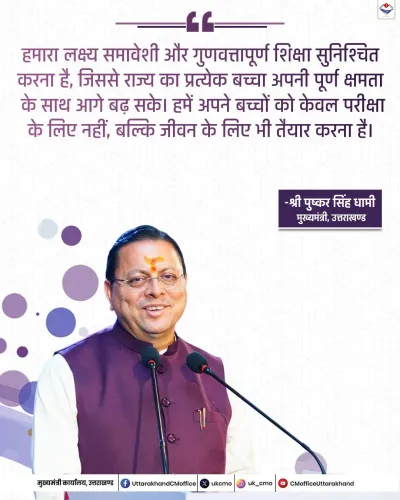
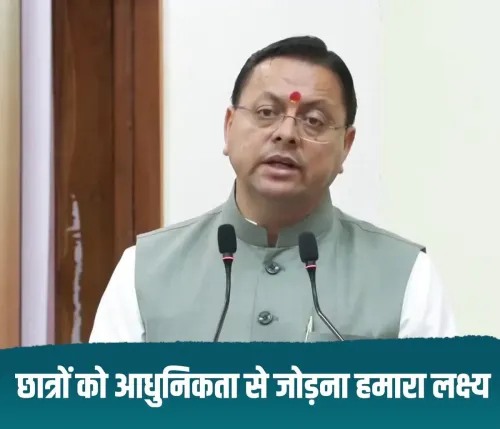
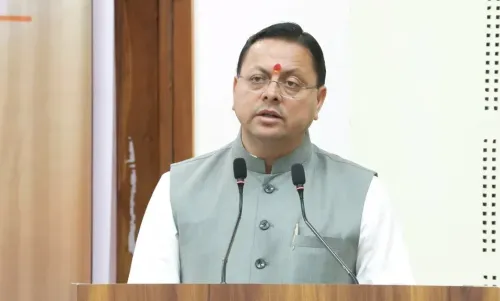
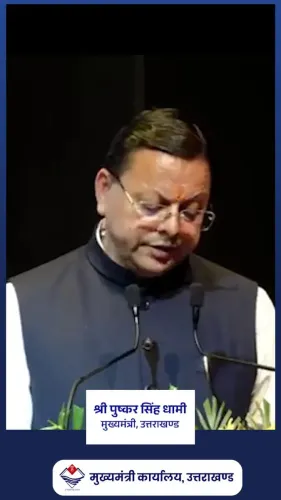
The Chief Minister's Office of Uttarakhand, on behalf of Chief Minister Pushkar Singh Dhami, shared a statement on Monday, 20 July 2026 emphasising that preparing children for life is as important as preparing them for examinations — a message directed at the state's school education ecosystem.
Context
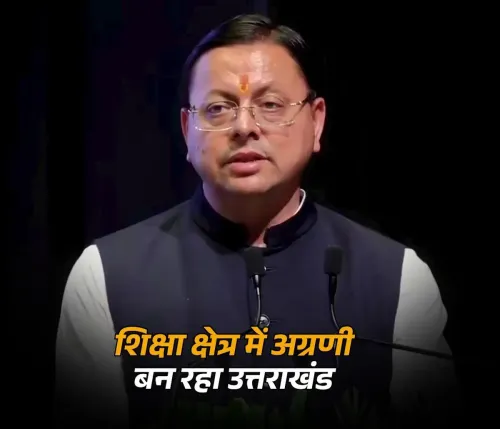
The statement, posted in Hindi, reads: 'Bachon ko pariksha hi nahin, jeevan ke liye taiyaar karna bhi zaroori hai' ('It is necessary to prepare children not just for examinations, but for life'). Chief Minister Dhami has consistently flagged holistic child development as a policy priority since assuming office in 2021, and this latest articulation reinforces that thread.
The remark arrives as Indian states are in varying stages of implementing the National Education Policy (NEP) 2020, which explicitly calls for a shift away from rote learning and exam-centric schooling toward multidisciplinary, value-based and life-skills education.
Policy Backdrop
NEP 2020 mandates that curricula across all states integrate vocational training, ethical reasoning and experiential learning alongside academic content. Uttarakhand, a Himalayan state with a significant share of government school enrolment in rural and semi-urban areas, has in recent years introduced modules on moral education and skill training within its government school framework.
Several states have issued similar policy directives since 2021 to reduce examination pressure on students and build competencies that extend beyond the classroom. Uttarakhand's school education department and state board have been among the bodies tasked with translating these national goals into state-level curriculum frameworks.
Stakeholders and Impact
The primary stakeholders are Uttarakhand's school students and their teachers. For students — particularly those in government schools across the state's hill districts — a life-skills emphasis could mean revised pedagogy, new assessment formats and extracurricular components that go beyond board examination preparation.
Teachers stand at the centre of any such transition; their training and capacity-building will determine how effectively a life-skills mandate translates from policy language into classroom practice. Parental expectations, long shaped by board results and competitive entrance examinations, represent a significant cultural variable in how such messaging is received on the ground.
What's Next
Observers will watch for concrete follow-through: revised state curriculum frameworks, updated board examination guidelines, or structured teacher training programmes that operationalise CM Dhami's stated priority. The statement may also signal forthcoming announcements from the state's school education department aligned with the NEP 2020 implementation calendar.
As India's academic year progresses and states prepare annual policy reviews, Uttarakhand's approach to balancing examination rigour with life-readiness will be a marker of how seriously the Himalayan state is embedding the spirit — and not just the text — of the national education reform.
Point of View
Measurable curriculum changes. The real test will come when the state translates this rhetoric into revised syllabi, teacher training budgets and board examination reforms — steps that require sustained administrative will beyond a social media post. Until then, the statement fits a broader pattern of Indian CMs using education messaging to project a modern, welfare-oriented governance identity.
NationPress
19 Oct 2026
Frequently Asked Questions
What did CM Pushkar Singh Dhami say about children's education?
CM Dhami said that preparing children for life is as important as preparing them for examinations, calling for a holistic approach to school education in Uttarakhand.
How does Uttarakhand plan to implement life-skills education in schools?
Uttarakhand has already introduced moral education and skill training modules in government schools. Future steps may include revised curriculum frameworks and teacher training programmes aligned with NEP 2020.
What is NEP 2020 and how does it relate to this statement?
The National Education Policy 2020 mandates a shift from rote and exam-centric learning to multidisciplinary, value-based and life-skills education. CM Dhami's statement directly echoes NEP 2020's core philosophy.
Who are the main stakeholders affected by Uttarakhand's education focus?
School students — particularly in government schools across hill districts — and teachers are the primary stakeholders. Parental expectations shaped by board results are also a key factor in how such policy shifts play out.
Is Uttarakhand the only state emphasising life skills in schools?
No. Several Indian states have issued similar directives since 2021 to reduce examination pressure and add vocational and experiential components to curricula, all in line with NEP 2020 implementation.