CM Dhami Links Skill Training to Self-Employment via RSETI Almora
Synopsis
The Uttarakhand government under CM Pushkar Singh Dhami is linking skill development to self-employment for rural youth and women, with RSETI Almora running continuous vocational training programmes to counter out-migration and build local livelihoods in the hill district.
Key Takeaways
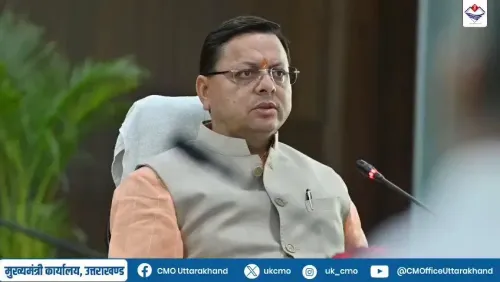
The Chief Minister's Office of Uttarakhand announced on 11 July 2026 that skill development is being linked to self-employment under CM Pushkar Singh Dhami .
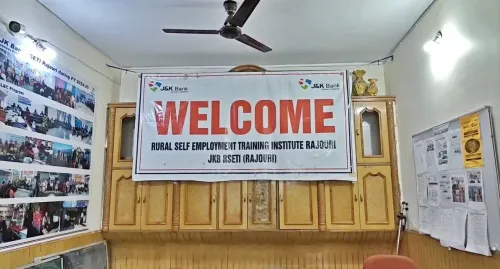
RSETI Almora (Rural Self-Employment Training Institute) is conducting ongoing employment-oriented training programmes in the district.
The primary beneficiaries are rural youth and women in Almora and Uttarakhand's hill regions.
RSETIs are part of a national network established from 2009 by banks in coordination with the Ministry of Rural Development .
The initiative aligns with the national Skill India framework launched in 2015 , which links training to enterprise creation.
The programme is framed as a structural response to out-migration from Uttarakhand's hill districts.
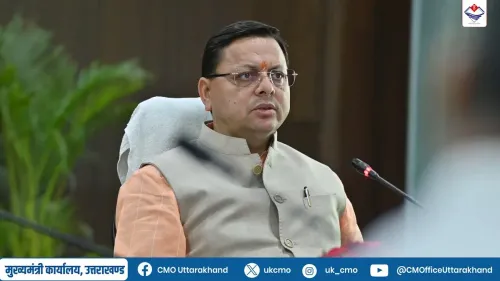
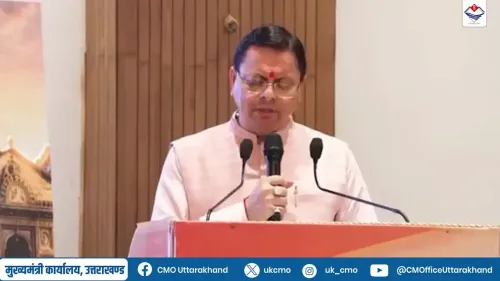
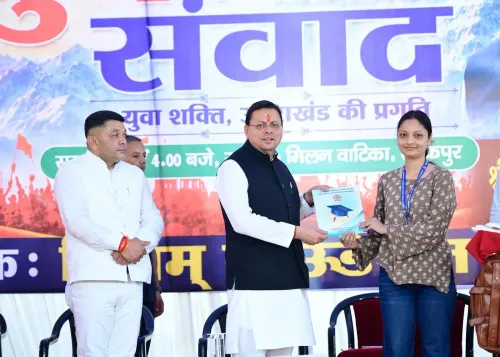
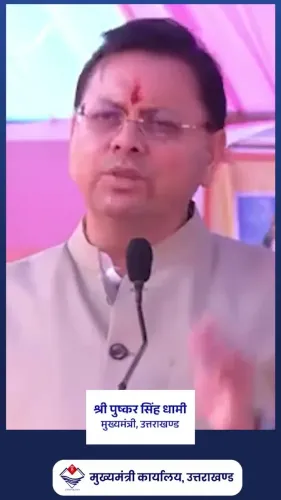
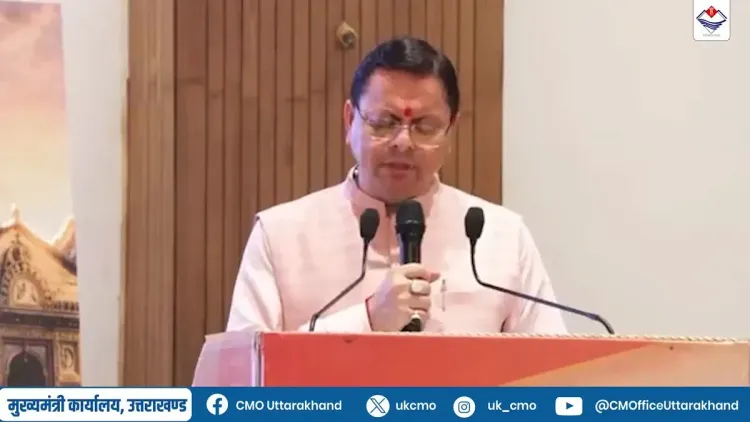
The Chief Minister's Office of Uttarakhand announced on Saturday, 11 July 2026 that the state government, under the leadership of Chief Minister Pushkar Singh Dhami, is creating new livelihood opportunities for youth and women by connecting skill development directly to self-employment. The Rural Self-Employment Training Institute (RSETI), Almora is at the centre of this push, running a continuous series of employment-oriented training programmes in the district.
The official post stated: 'कौशल विकास को स्वरोजगार से जोड़कर युवाओं और महिलाओं के लिए नए अवसर तैयार किए जा रहे हैं' ('New opportunities are being created for youth and women by linking skill development to self-employment').
Context
RSETI Almora is part of a national network of Rural Self-Employment Training Institutes established from 2009 onwards, set up by banks in coordination with the Ministry of Rural Development. These institutes provide free vocational training designed specifically to help rural participants launch their own enterprises rather than seek wage employment. Almora, located in the Kumaon division of Uttarakhand, is characterised by hilly terrain and a predominantly rural population, making such decentralised training infrastructure especially significant.Policy Backdrop
Uttarakhand has long grappled with out-migration from its hill districts, as limited local livelihood options push working-age residents toward plains cities. The state's approach of pairing skill training with self-employment pathways aligns with the national Skill India framework launched in 2015, which emphasises enterprise creation alongside employability. RSETIs serve as a decentralised delivery mechanism, taking training directly to rural communities rather than requiring participants to travel to urban centres. CM Dhami's administration has positioned such programmes as a structural response to migration pressure rather than a short-term welfare measure.Stakeholders and Impact
The primary beneficiaries are rural youth and women in Almora district and, by extension, across Uttarakhand's hill regions. Women in particular stand to gain from locally accessible training that does not require relocation, addressing both economic and social barriers to workforce participation. Banks sponsoring the RSETI network also benefit from a pipeline of trained, credit-ready micro-entrepreneurs, supporting their priority-sector lending mandates. Local economies in hill districts could see reduced dependence on remittances if self-employment ventures take root at scale.What's Next
The effectiveness of the programme will ultimately be measured by outcome data — specifically, the rate at which RSETI graduates successfully launch and sustain self-employment ventures. Observers will watch whether the Uttarakhand state budget allocates expanded funding for additional RSETI batches or new institutes in other hill districts. A broader question is whether the skill-to-self-employment model can generate enough local economic momentum to meaningfully slow out-migration from the Kumaon and Garhwal regions over the coming years.Point of View
A distinction that matters in hill geographies where formal employers are scarce. This mirrors a broader national shift under Skill India away from pure training throughput toward entrepreneurship outcomes, but Uttarakhand faces the additional structural challenge of terrain and connectivity that makes scaling such institutes difficult. The repeated communication of this model through official channels also suggests a political intent to associate the Dhami administration with tangible rural welfare delivery ahead of any electoral cycle. Whether the on-ground RSETI batches translate into sustained livelihoods, rather than one-time training certificates, will determine the programme's real credibility.
NationPress
11 Jul 2026
Frequently Asked Questions
What is RSETI Almora and what does it do?
RSETI Almora is the Rural Self-Employment Training Institute in Almora district, Uttarakhand. It provides free vocational training to rural youth and women to help them launch self-employment ventures, and is part of a national network set up from 2009 by banks in coordination with the Ministry of Rural Development.
What is CM Pushkar Singh Dhami's skill development initiative in Uttarakhand?
Under CM Pushkar Singh Dhami, Uttarakhand is linking skill development directly to self-employment, using institutions like RSETI Almora to run continuous training programmes for rural youth and women, aiming to create local livelihood options and reduce out-migration from hill districts.
How does Uttarakhand's self-employment training connect to Skill India?
Uttarakhand's RSETI-based training aligns with the national Skill India framework launched in 2015, which emphasises connecting vocational training to enterprise creation rather than wage employment alone. RSETIs act as decentralised delivery points in rural and hilly areas.
Why is self-employment training important in Uttarakhand's hill districts?
Hill districts like Almora face significant out-migration because formal employment opportunities are limited. By training rural youth and women for self-employment, the government aims to create local economic activity that can reduce dependence on migration to plains cities.
Who benefits from RSETI training programmes in Uttarakhand?
The primary beneficiaries are rural youth and women in Uttarakhand's hill districts. Banks sponsoring the RSETI network also benefit by developing a pool of trained, credit-ready micro-entrepreneurs, supporting their priority-sector lending requirements.