CM Dhami Orders Officials to Ground Zero, Public Safety Top Priority
Synopsis
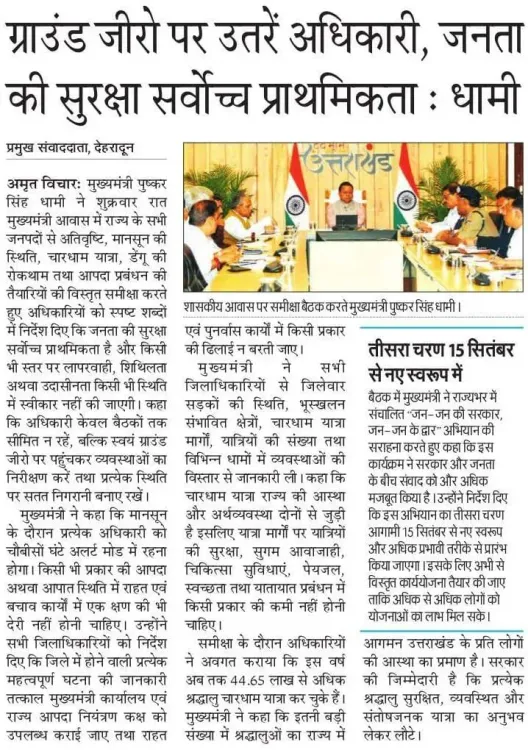
Chief Minister Pushkar Singh Dhami on 18 July 2026 ordered Uttarakhand officials to reach 'ground zero' and treat public safety as the supreme priority, issuing a sharp field-deployment directive through the official CMO account amid the active 2026 monsoon season.
Key Takeaways
CM Pushkar Singh Dhami on 18 July 2026 publicly directed state officials to deploy directly to the ground during the monsoon season.
The directive declares public safety the 'supreme priority,' signalling heightened administrative urgency from the Chief Minister's Office.
Uttarakhand's mountainous terrain across 13 districts makes it one of India's most disaster-vulnerable states during the June-September monsoon window .
Dhami has previously issued similar field-presence mandates, including shortly after taking office in March 2021 .
District-level bureaucrats and field officers are the primary targets of the order, with compliance reports expected as the season progresses.
The public nature of the directive adds political accountability, making any official absence at a major incident site directly visible.
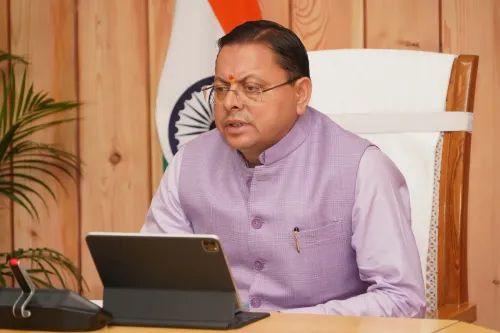
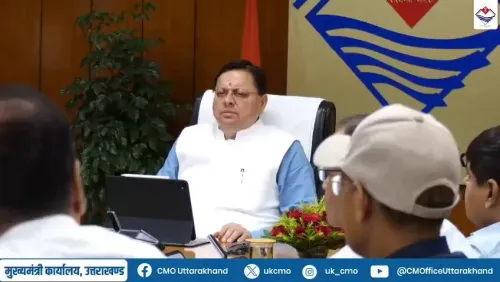
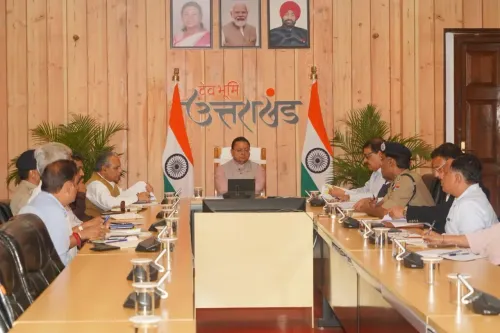
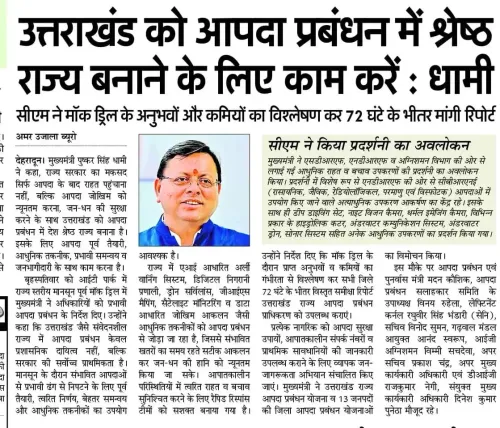
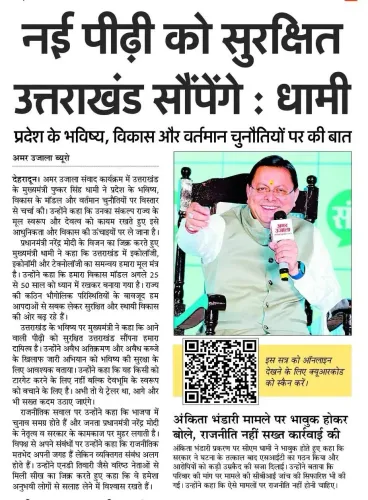
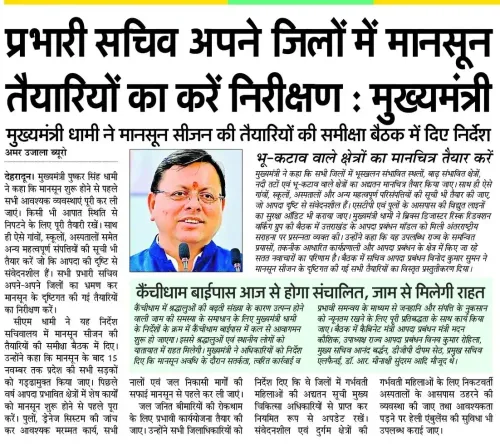
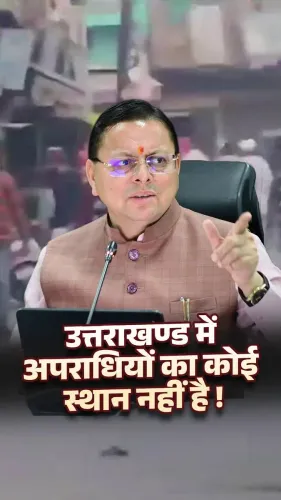
The Chief Minister's Office of Uttarakhand on Saturday, 18 July 2026 conveyed a sharp directive from Chief Minister Pushkar Singh Dhami, instructing state officials to deploy directly to the ground and treat public safety as the highest priority amid the ongoing monsoon season.
The post, shared in Hindi, quoted CM Dhami as saying: 'Ground zero par utren adhikari, janta ki suraksha sarvoch prathamikta' — 'Officers must reach ground zero; the safety of the public is the supreme priority.' The message signals an escalation in administrative urgency, with the Chief Minister calling for direct field presence rather than desk-based oversight.
Context
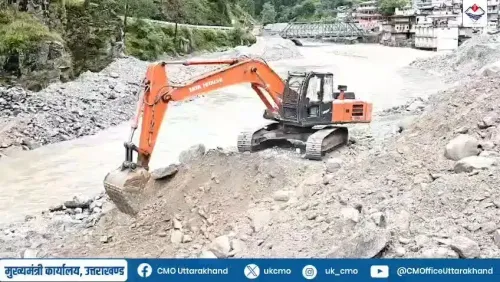
Uttarakhand is among India's most disaster-vulnerable states, with its mountainous terrain making it susceptible to cloudbursts, flash floods, and landslides — hazards that intensify during the June-September monsoon window. The directive arrives in the thick of the 2026 monsoon season, a period that historically tests the state's emergency response machinery.
District-level officials, including District Magistrates and Senior Superintendents of Police, are the primary addressees of such orders. Their physical presence at affected sites is seen as critical to coordinating relief, evacuation, and communication with isolated communities.
Policy Backdrop
CM Dhami, who took office in March 2021, has previously emphasised field-level accountability. Shortly after assuming charge, he issued directives requiring senior officers to conduct regular visits to disaster-prone districts and report directly from the ground rather than relying on intermediary assessments.
Uttarakhand chief ministers have, over successive administrations, periodically issued similar mandates during monsoon emergencies — reflecting a structural administrative challenge in a state where terrain can cut off villages and delay relief by hours or days. The 2021 Chamoli disaster and recurring cloudburst events in districts such as Pithoragarh, Uttarkashi, and Chamoli have repeatedly underscored this vulnerability.
Stakeholders and Impact
The directive most directly affects district-level bureaucrats and field officers across Uttarakhand's 13 districts, particularly those in higher-altitude and river-valley zones where monsoon damage is concentrated. For residents in these areas, the order signals that the state government is monitoring on-ground response in real time.
Civil society groups and local bodies in disaster-prone zones have long advocated for proactive official presence rather than reactive deployment after incidents escalate. CM Dhami's public statement, issued through the official CMO account, adds political weight to what might otherwise remain an internal administrative instruction.
What's Next
District administrations are expected to submit compliance reports on field deployments, and the state government is likely to review emergency response protocols as the monsoon season progresses through August and September 2026. Any lapse in official presence at a major incident site could now attract direct political scrutiny given the public nature of this directive.
The broader test will be whether this instruction translates into measurable improvements in response times and casualty prevention — metrics that will shape the political narrative around the Dhami government's disaster preparedness record ahead of any future electoral cycle.
Point of View
The Chief Minister places his own credibility behind field-level accountability, making bureaucratic non-compliance a reputational liability for both officials and the government. The order fits a pattern visible across BJP-governed hill states: centralising disaster optics around the chief minister while pushing implementation responsibility downward to district officers. The real test, as with previous such directives in Uttarakhand, will be whether institutional follow-through matches the rhetorical urgency, or whether the instruction fades without a structured compliance mechanism.
NationPress
16 Oct 2026
Frequently Asked Questions
What did CM Dhami say about officials going to ground zero?
CM Pushkar Singh Dhami on 18 July 2026 directed state officials to physically deploy to affected sites, stating that 'the safety of the public is the supreme priority' — a call for field presence over desk-based administration during the monsoon season.
Why is Uttarakhand vulnerable to disasters during monsoon?
Uttarakhand's mountainous terrain makes it highly susceptible to cloudbursts, flash floods, and landslides during the June-September monsoon season, often cutting off villages and delaying relief efforts across its 13 districts.
Has CM Dhami issued similar directives before?
Yes. Shortly after taking office in March 2021, Dhami directed senior officers to conduct regular field visits to disaster-prone districts and report directly from the ground rather than through intermediary assessments.
Who is Pushkar Singh Dhami?
Pushkar Singh Dhami is a BJP leader who has served as Chief Minister of Uttarakhand since March 2021, with prior experience handling law and order and disaster management portfolios as a cabinet minister.
What happens next after CM Dhami's ground-zero directive?
District administrations are expected to submit field-deployment compliance reports, and the state government is likely to review emergency response protocols as the 2026 monsoon season continues through August and September.